
Gujarat Textile Sector Flags Election-Linked Production Losses
Gujarat’s textile and manufacturing sectors have flagged recurring production disruptions caused by repeated election cycles and migrant worker movement during polling periods, during consultations with the Joint Parliamentary Committee (JPC) reviewing the proposed One Nation, One Election framework.
The concerns were raised as part of discussions on the Constitution (129th Amendment) Bill, 2024, which seeks to enable simultaneous elections nationwide. Industry representatives said Gujarat’s manufacturing economy, particularly the Surat textile cluster, is highly dependent on migrant labour, making it vulnerable to operational disruptions during elections.
Pathik Patwari, said Gujarat employs nearly 40–45 lakh migrant workers, many of whom leave industrial centres around 15 days before polling and return nearly 15 days later. He estimated this leads to a 15–20% decline in industrial output, causing annual losses of Rs 12,000–15,000 crore.

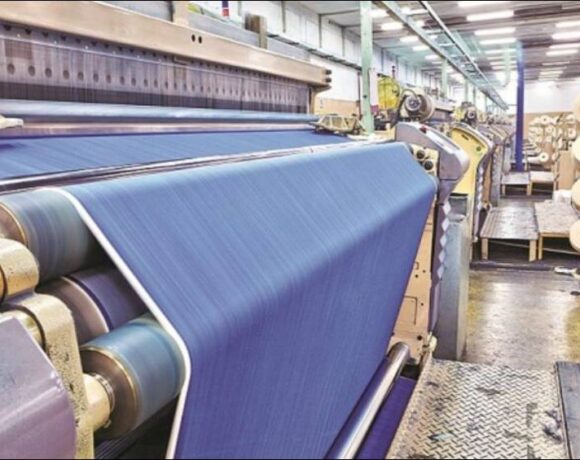
The Surat textile sector was identified as one of the worst affected. Representatives from the Southern Gujarat Chamber of Commerce and Industry said the cluster generates nearly Rs 8,000 crore in monthly production, with election-linked migration reducing output by around 15%, resulting in losses of approximately Rs 1,200 crore during affected months.
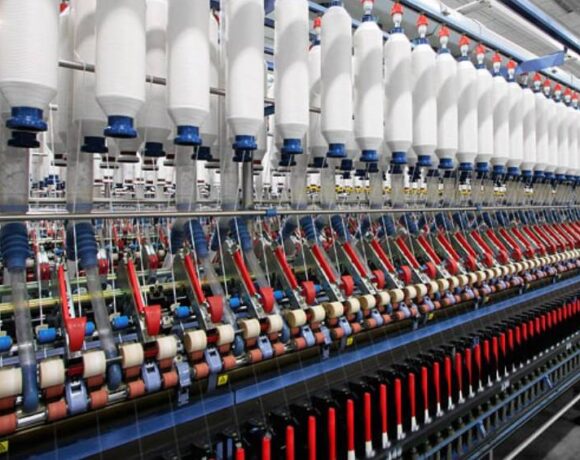
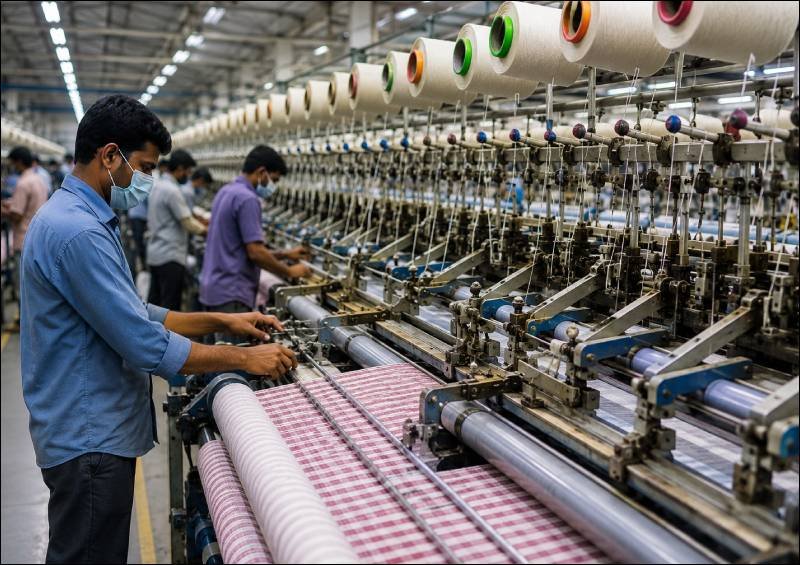
Surat’s textile ecosystem employs nearly 15 lakh migrant workers, largely from Uttar Pradesh, Bihar, Jharkhand, Odisha and West Bengal. The cluster comprises around 22,000 weaving units, 400 processing houses, 250 knitting units and up to 2,500 garment manufacturing units, with weaving and processing remaining the most labour-intensive.
Industry leaders also pointed to delays caused by the Model Code of Conduct, which slows approvals related to subsidies, land allocation and industrial clearances. They warned that frequent election-linked disruptions increase financing costs, delay investments and affect production continuity, strengthening industry support for synchronized elections to ensure greater operational stability.