
India Poised To Gain From Rising US–China Trade Tensions
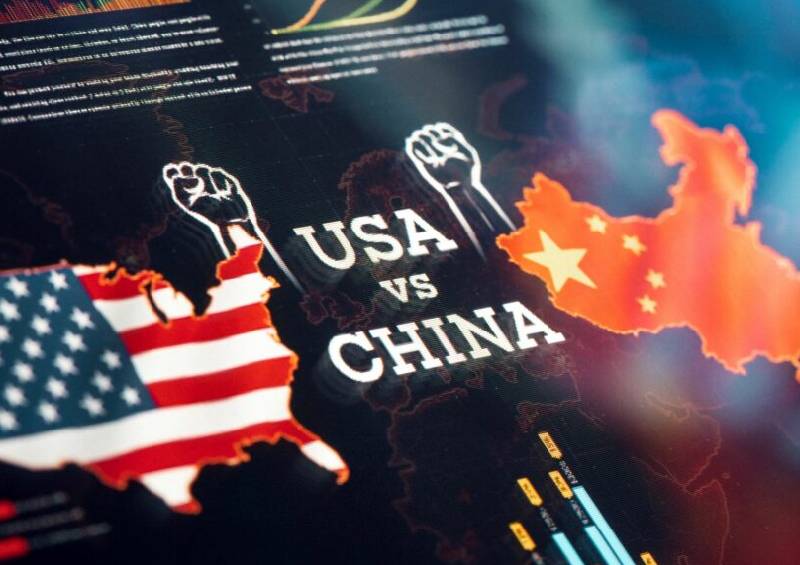
Indian exporters are expected to benefit from the escalating trade conflict between the United States and China, as higher American tariffs on Chinese goods open new opportunities for Indian products in the US market.
According to the Federation of Indian Export Organisations (FIEO) President S.C. Ralhan, the move could redirect demand toward India, which exported goods worth US$ 86 billion to the US in FY 2024–25. “We may gain from this escalation,” said Ralhan, noting that Indian exporters are well positioned to capture a larger share of the American market.
The US on Friday announced an additional 100% tariff on select Chinese goods starting November 1, effectively raising overall tariff rates to nearly 130%. The decision follows Beijing’s October 9 move to tighten export controls on rare earth materials vital to America’s defence, electric vehicle, and clean-energy industries.
Industry executives believe the tariff hike will make Chinese goods significantly more expensive, offering Indian manufacturers a competitive edge. “This 100% additional tariff on Chinese goods will give us an upper hand,” said a leading textile exporter, adding that it could unlock “huge export opportunities” for India.
A report by the Global Trade Research Initiative (GTRI) noted that the escalating trade war will likely drive up global prices of electric vehicles, wind turbines, and semiconductor components, given the US’s dependence on Chinese imports across sectors such as electronics, textiles, footwear, and solar panels.
The United States remains India’s largest trading partner for the fourth consecutive year, with bilateral trade touching US$ 131.84 billion in FY2024–25, including US$ 86.5 billion in exports. The US accounts for roughly 18% of India’s total goods exports and over 10% of total merchandise trade.
India and the US are also in talks for a bilateral trade agreement, which experts say could further strengthen India’s position in global supply chains amid shifting geopolitical dynamics.