
India Restricts Bangladeshi Garment Imports To Sea Routes Amid Trade Tensions
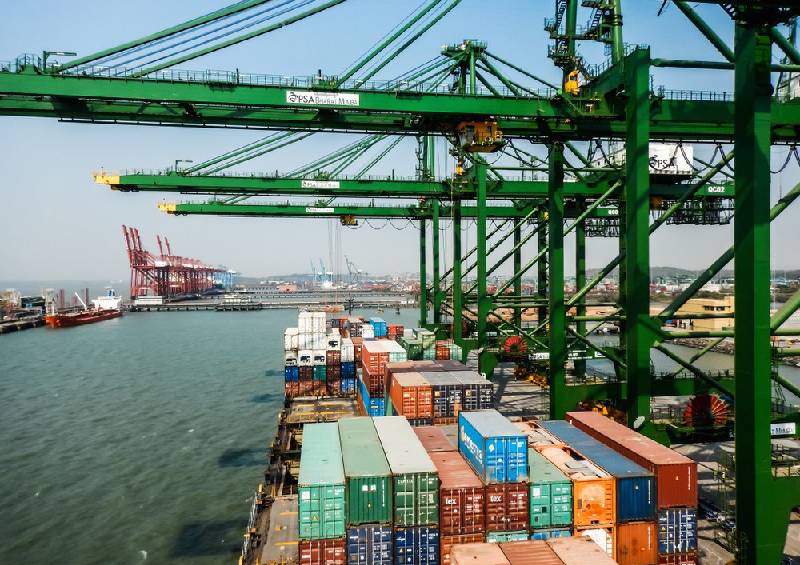
Indian government has restricted the import of readymade garments (RMG) from Bangladesh to two sea ports Kolkata and Nhava Sheva (Mumbai), effective this week. This shift ends the long-standing use of land routes like Petrapole, which previously handled 76% of such shipments.
The change is expected to significantly increase transit time and logistics costs, affecting nearly one-third of Bangladesh’s RMG exports to India. Garments that earlier reached Indian retailers in just 2–3 days via land crossings will now undergo lengthy sea transit, customs clearance, and inland transportation, potentially tripling delivery timelines.
Apparel Export Promotion Council (AEPC) Secretary General Mithileshwar Thakur noted that the move could dent Bangladesh’s market access, inflate costs, and erode its competitive edge in India. “A large chunk of imports came through land ports. This shift will delay deliveries and increase freight costs,” he said.
Industry experts view India’s decision as a response to recent Bangladeshi trade restrictions, including:
- A ban on Indian yarn imports via five key land ports
- Curbs on Indian rice, fish, tobacco, powdered milk, and paper
- A new transit fee on Indian cargo passing through Bangladeshi territory
Ajay Srivastava, former trade diplomat, said these cumulative actions have hampered Indian exports and led to calls for a “calibrated response.”
Bangladesh’s RMG sector has long held a pricing advantage over Indian manufacturers due to duty-free fabric imports from China and export incentives, while Indian firms pay 5% GST on domestic fabric. These cost dynamics, combined with Bangladesh’s production scale, have made it a preferred sourcing hub for Indian and global retailers.
However, with Bangladesh’s recent transition to middle-income status, some of its trade benefits are expected to diminish over time.
While India’s import restriction aims to safeguard its textile industry, it may also strain bilateral trade. With no formal talks announced yet, businesses on both sides face uncertainty amid rising costs and longer supply chains.