
India’s Cotton Imports Surge As Poor Harvest And Tariff Woes Hit Textile Sector
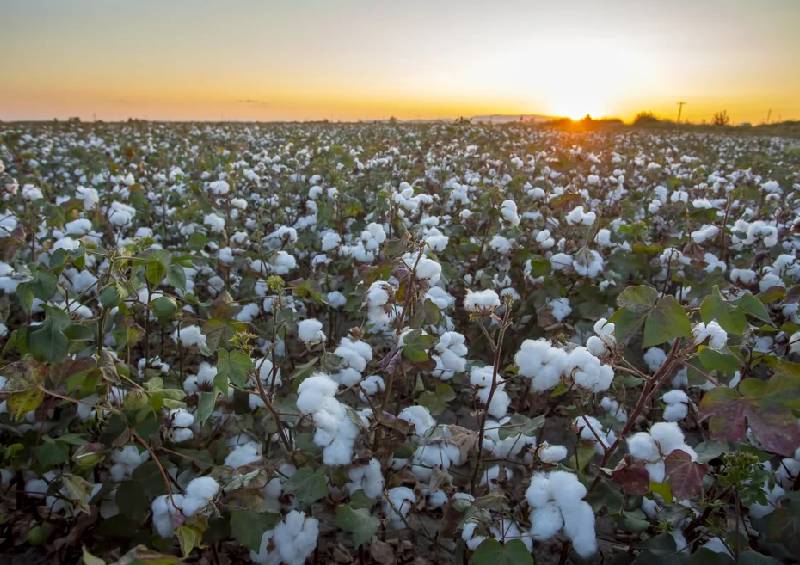
India’s cotton imports are expected to surge to an all-time high in the 2025/26 season as weak domestic output and trade incentives push textile mills toward cheaper overseas supplies. Industry officials estimate imports could climb nearly 10% from last year to reach 4.5 million bales, marking a new record for the world’s second-largest cotton producer.
The increase comes as New Delhi extends duty-free access for cotton imports until December 31 and local production falls to its lowest level in 17 years due to crop damage across major growing states. The rise in Indian imports is also likely to support global cotton prices, currently hovering near six-month lows.
According to Atul Ganatra, President of the Cotton Association of India (CAI), almost 3 million bales of imported cotton are expected to land in India during the December quarter. “Cotton is significantly cheaper overseas right now compared to domestic prices and mills are opting for better-quality imported fiber,” said a New Delhi-based trader with a global trading firm.
Heavy and unseasonal rains in Maharashtra, Gujarat, Andhra Pradesh and Telangana, which together contribute more than 70% of India’s cotton, have severely affected the 2025/26 harvest. The CAI projects output at 30.5 million bales, down 2.4% from last year and the lowest since the 2008/09 season. Some market participants warn production could fall further to 28 million bales if weather-related damage worsens.
The textile industry, one of India’s largest employers, supporting over 45 million workers, is confronting a period of weak demand and export uncertainty. The CAI expects domestic cotton consumption to decline 4.5% to 30 million bales in the new season.
“Export orders from the United States have slowed sharply after the imposition of higher tariffs, prompting many mills in southern India to cut back operations,” Ganatra noted.
The United States, which accounts for nearly 29% of India’s US$ 38 billion textile exports, doubled import tariffs on Indian textiles, raising duties to as high as 50%, effective August 2025. The move has added further strain on India’s textile exporters already battling volatile cotton prices and subdued global demand.
While the duty exemption may offer short-term relief to mills, industry leaders warn that India’s reliance on imports could rise if domestic productivity challenges persist. With the new season underway, policymakers and exporters alike will be watching global price trends closely, hoping that the next harvest restores balance to one of India’s most critical agricultural and industrial sectors.