
India’s Cotton Output To Dip As Farmers Shift To Other Crops; Mills Eye Imports Amid Rising MSP

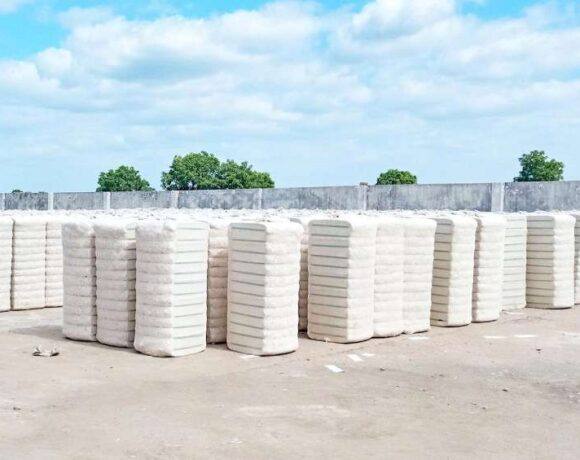
India’s cotton production for marketing year (MY) 2025/26 is projected at 24.5 million 480-lb bales (5.4 MMT) from 11.2 million hectares, down 2% from earlier estimates, according to the latest USDA report. The decline is attributed to farmers shifting acreage towards more profitable crops such as paddy, pulses and cereals.
Despite the lower acreage, yields are expected to improve to 476 kg per hectare on the back of favourable monsoon conditions. While cotton sowing has fallen by about 3% compared to last year, gains in Punjab and Rajasthan partly offset declines in Haryana, Gujarat and Maharashtra.
The report highlights that the government’s 8% hike in the Minimum Support Price (MSP) for medium- and long-staple varieties effective October 1, 2025, is pushing fibre prices higher. With domestic lint trading 5–6 cents above the Cotlook A-Index, Indian mills are increasingly turning to imports of contamination-free fibre from Australia, Brazil and the United States. Imports for MY 2025/26 are pegged at 2.5 million bales, while exports are forecast at 1.5 million bales, as more cotton is diverted into domestic value-added manufacturing.
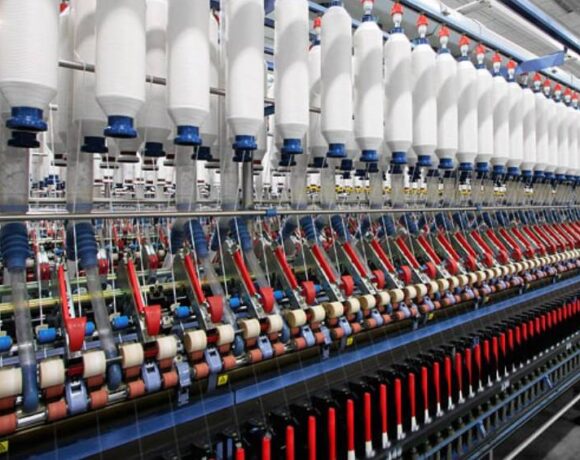
Mill consumption is projected at 25.7 million bales, supported by strong demand for yarn, fabrics and apparel in export markets. India’s cotton yarn and fabric shipments have risen 8–19 per cent above the five-year average, while readymade garment exports grew 9 per cent year-on-year in April–June 2025. A weaker rupee and lower yarn prices have boosted competitiveness in key markets such as Bangladesh, China, and Vietnam.
On the policy front, the Ministry of Textiles has deferred the implementation of the Cotton Bales Quality Control Order (QCO) by another year, to August 2026, following industry opposition over compliance costs and logistical challenges. Once enforced, the QCO is expected to improve domestic cotton quality and act as a non-tariff barrier against low-grade imports.
Looking ahead, the potential ratification of the UK–India Comprehensive Economic and Trade Agreement (CETA) could provide fresh opportunities for value-added cotton textile and apparel exports.