Mobiltech Textile Market To Log Strong Growth By 2033
According to UnivDatos’ latest report, Mobiltech Textile Market, the global mobiltech textile market, was valued at US$ 46.05 billion in 2024 and is projected to grow at a CAGR of 7.3% from 2025 to 2033, reaching a multi-billion dollar valuation by the end of the forecast period.
Mobiltech textiles, specialized fabrics used in automotive, aerospace and transportation applications, are witnessing unprecedented demand as industries push for higher performance, safety and efficiency. These modern materials are lightweight, durable and resistant to environmental stress, making them crucial for addressing challenges related to fuel efficiency, sustainability and passenger safety. Urbanization, the rise of electric vehicles (EVs), and the shift toward greener mobility solutions are further accelerating market growth.
Automakers are increasingly using advanced textiles in safety-critical components such as airbags, seat belts, and interior cushions. High-strength fabrics capable of withstanding extreme conditions ensure reliable deployment of airbags and improved passenger protection. At the same time, smart textiles with integrated sensors are emerging, enabling impact detection and automatic safety responses. Regulatory pressures for stricter road safety standards are also driving manufacturers to adopt next-generation mobiltech textiles, while producers are investing heavily in R&D to deliver safer and more efficient solutions.
AI and IoT Integration: The fusion of AI and IoT is transforming mobiltech textiles. Companies like Loomia have developed smart automotive fabrics with embedded sensors and conductive pathways for interactive vehicle surfaces. Strategic collaborations, such as the August 2024 partnership between Yanfeng and Loomia, aim to create next-generation smart cabins that combine safety, comfort and functionality.
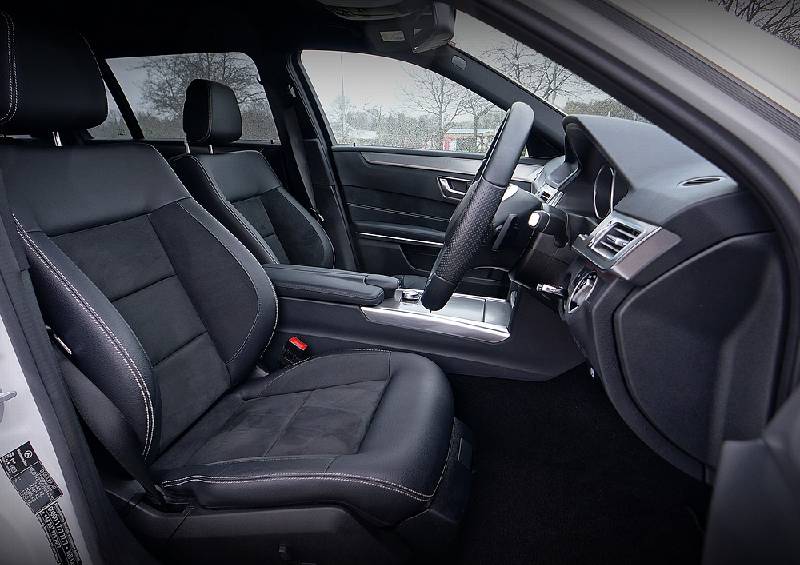
3D Weaving and Knitting Technologies: Advanced textile manufacturing methods are enabling lightweight, durable and customizable automotive interiors. For instance, Trevira and Imat-Uve have applied 3D flat knitting technology to produce anatomically shaped seat covers and trims, reducing costs and enhancing design flexibility.
Collaborations Driving Circular Solutions: Partnerships are playing a vital role in advancing sustainable mobiltech textiles. In June 2024, Hyosung TNC teamed up with Ambercycle to launch circular polyester textiles, repurposing end-of-life products into high-performance fibres for the automotive industry. This move supports the shift toward a circular economy and aligns with global sustainability goals.
The mobiltech textile industry is evolving rapidly, driven by advancements in smart technologies, sustainable material innovation, and rising safety standards. With strong growth prospects across automotive, aerospace and defence sectors, the market is set to play a pivotal role in shaping the future of transportation. As manufacturers focus on reducing environmental footprints while meeting regulatory and consumer demands, mobiltech textiles will remain at the forefront of innovation, redefining the next era of mobility.