SIMA Chief Calls For Shift Towards Value-Added Textile Production
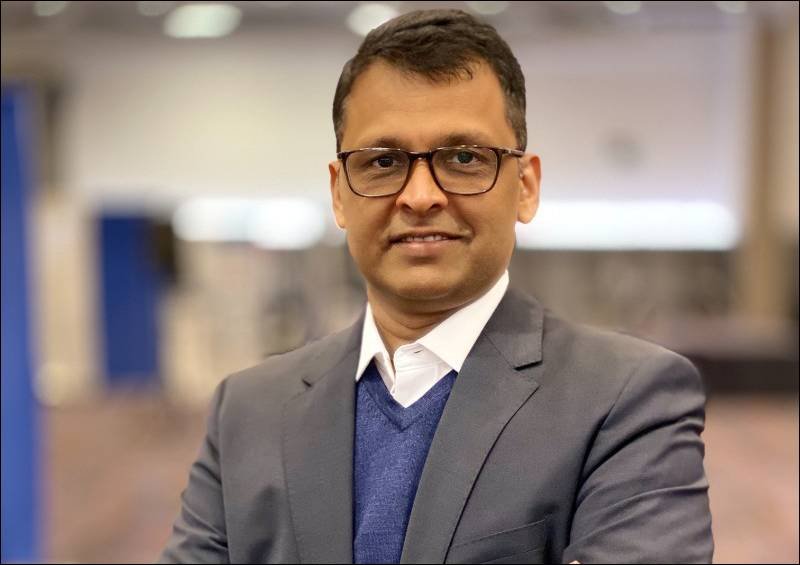
India’s textile industry needs to move beyond capacity expansion and focus on value-added products, automation and market diversification to strengthen its competitiveness in global markets, Southern India Mills’ Association (SIMA) chairman Durai Palanisamy said.
Speaking after SIMA’s 67th annual general meeting in Coimbatore, Palanisamy said the industry should expand its presence across emerging segments such as man-made fibres (MMF), technical textiles and recycled products to capitalise on changing global demand and new export opportunities.
India’s textile industry has traditionally relied heavily on natural fibres, particularly cotton. However, Palanisamy said manufacturers need to broaden their product portfolios and adopt advanced technologies to improve productivity and develop higher-value products.

He also highlighted the importance of market diversification, particularly as India expands its network of free trade agreements. According to him, greater access to international markets could create opportunities for Indian textile manufacturers, provided they improve product quality, productivity and competitiveness.
Cotton Prices a Concern
Volatility in cotton prices continues to pose a challenge for spinning mills planning investments, Palanisamy said. Cotton accounts for around 65–70% of yarn manufacturing costs, making raw material price stability critical for the sector.
He called for measures to curb speculation in cotton prices and urged the government to consider permanently removing the 11% import duty on cotton. He also proposed a change in the role of the Cotton Corporation of India (CCI), with greater emphasis on maintaining stability in raw material prices.
Palanisamy welcomed recent policy measures relating to the textile sector, including changes to quality control orders, revisions to the Production Linked Incentive (PLI) scheme and export support measures.
He said continued policy attention to raw material costs, technology adoption, innovation and product development would be important as the textile industry enters its next phase of growth.
Palanisamy Re-elected SIMA Chairman
Palanisamy, Executive Director of Pallava Textiles, was unanimously re-elected SIMA chairman for 2026–27 at the association’s annual general meeting.
S Krishnakumar was re-elected deputy chairman, while K Sivaraj was re-elected vice-chairman.
The leadership has outlined technology adoption, diversification and greater participation in value-added textile segments as key areas for the industry as manufacturers seek to strengthen their position in global markets.