
Sri Lankan Apparel Industry Eyes India To Boost Competitiveness
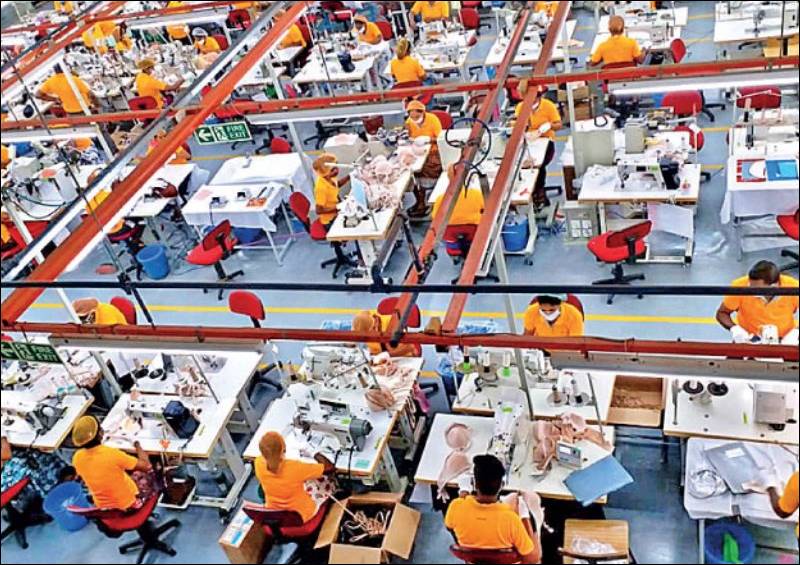
Sri Lanka’s apparel industry is preparing for a strategic realignment in 2026 with deeper integration with India in the wake of India emerging as a key priority as manufacturers confront rising regional competition and shifting global demand.
Addressing the 2025 Annual General Meeting of the Sri Lanka Apparel Exporters Association (SLAEA), Chairperson Rajitha Jayasuriya said the sector is focusing on securing quota-free access to the Indian market while building stronger regional value chains. She stressed that dependence on traditional export markets is becoming increasingly risky as competing nations scale up capacity and technology.
According to Jayasuriya, Cambodia, Vietnam and Bangladesh are rapidly strengthening their positions in global apparel trade. Cambodia has recorded strong growth in exports to Western markets, Vietnam is accelerating investments in automation and smart manufacturing, and Bangladesh continues to dominate high-volume basic apparel production. In this environment, Sri Lanka must move quickly to protect its competitiveness, she said.
Industry leaders see closer ties with India as a practical and strategic step. India’s growing role as a sourcing hub, combined with its expanding domestic retail market, offers Sri Lankan exporters opportunities to diversify and expand market reach. The sector is also encouraging stronger diplomatic engagement to support trade facilitation and collaboration between the two countries.
At the same time, Jayasuriya cautioned that domestic reforms must gather pace. Although the government’s 2026 Budget introduced measures aimed at supporting exporters, including digital tax reforms, several policy initiatives remain incomplete. Without faster implementation, the industry risks losing ground to competitors that are rapidly modernizing and negotiating new trade agreements.
Technology adoption is expected to play a central role in the sector’s future. Manufacturers are planning to increase automation, incorporate artificial intelligence into operations, and move toward more data-driven production and supply chain management. Market diversification is also a priority, with companies exploring opportunities in Asia, the Middle East and Africa to reduce dependence on traditional Western buyers.
Workforce development and sustainability remain critical pillars of the industry’s strategy. Continued investment in skills development, gender equity, worker welfare and compliance with environmental and social standards is seen as essential to maintaining Sri Lanka’s reputation as an ethical sourcing destination. However, industry representatives note that these efforts will require sustained policy support and improvements in infrastructure.
Among the key reforms sought by the sector are the full implementation of the National Single Window and Electronic Travel Authorisation systems, the creation of a dedicated trade office to manage major free trade agreements, and the operationalization of the Eravur Fabric Park. These steps, industry leaders believe, would significantly improve efficiency and strengthen the country’s long-term competitiveness.
With global competition intensifying, Sri Lanka’s apparel sector is increasingly looking to regional partnerships, technological transformation and policy reforms to secure its position in the international market.