
Threading Tradition With Technology: The Reinvention Of India’s Textile Industry
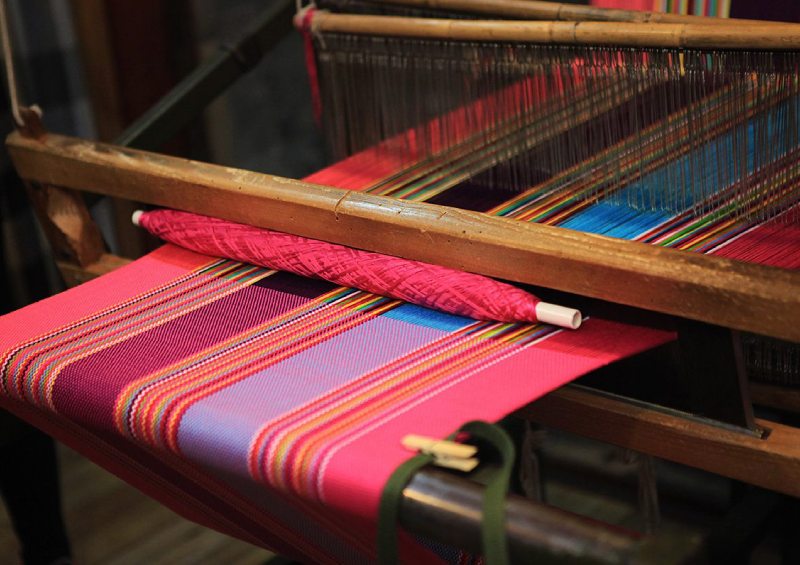
For centuries, India’s textile industry has been a cornerstone of its culture, economy and global identity. From the intricate handlooms of Varanasi to the bustling powerlooms of Tiruppur, Indian textiles have dressed the world in tradition and craftsmanship.
But a quiet revolution is now underway.
India is no longer just producing textiles, it’s creating experiences. As global consumers demand sustainability, personalization and digital integration, the Indian textile ecosystem is rapidly evolving. This shift is redefining what it means to be a textile brand in the 21st century, from a focus on fabric to a focus on feeling.
Beyond the Loom: Where Craft Meets Code
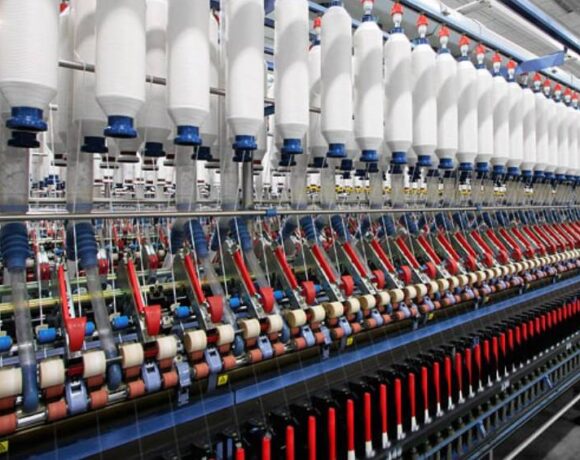
The modern Indian textile story goes far beyond spinning and weaving. Technologies like Artificial Intelligence (AI), Internet of Things (IoT) and robotics are now embedded into the production floor.
Smart fabrics that regulate temperature or monitor vital signs are already in development in innovation hubs like Surat, Coimbatore and Bengaluru. 3D knitting, digital weaving and virtual sampling are making processes faster, cleaner and more precise — cutting waste and reducing production cycles.
This is not the end of tradition, but its evolution. The fusion of handcrafted heritage with digital craftsmanship is giving rise to a powerful new textile identity.
Sustainability: From Buzzword to Business Model
The industry’s environmental footprint has been under the spotlight for years. Now, it’s leading the charge toward a circular, conscious economy.
Textile leaders are adopting:
● Recycled polyester yarns
● Plant-based and low-impact dyes
● Zero-liquid discharge systems
● Organic cotton sourcing
● Blockchain-based traceability
Tiruppur, once infamous for water pollution, is now a global case study in transformation — India’s first zero-discharge textile hub and a model for the world. Sustainability isn’t just a trend, it’s the new competitive edge.
Experiential Textiles: Selling Stories, Not Just Styles
Today’s consumer isn’t just buying clothes, they’re buying stories, values and emotions.
Textile companies are responding with immersive, lifestyle-driven experiences. Think:
● Boutique showrooms with AR fitting rooms
● Digital storytelling that connects fabric to culture
● Designer collaborations that reimagine handlooms
● Exporters using virtual showrooms and global pop-ups to bring Indian fabrics to the world
The result? Textiles that don’t just clothe you, they connect you.
The Rise of Fashion-Tech Startups
A new generation of textile-tech startups is rewriting the rules.
In Surat, platforms are combining data analytics and design to forecast trends and manage inventory. In Bengaluru, startups are building digital twins of fabrics, allowing global buyers to “feel” materials before they’re made.
Other innovations include:
● On-demand fabric sourcing
● AI-driven colour and pattern forecasting
● Digital fashion prototyping
These solutions reduce risk, speed up go-to-market, and make fashion more agile, intelligent and responsive.
India’s Global Moment
As global demand for sustainable, ethical, and high-quality textiles rises, India is uniquely positioned to lead.
Neeraj Singh Jain, Design Director, Fashinza
Government initiatives like the PLI scheme for technical textiles and investments in mega textile parks are boosting competitiveness. But more importantly, Indian exporters are no longer competing just on price, they’re competing on creativity, quality and storytelling.
Across New York, Parisand Milan, Made in India is being redefined, not just as a mark of affordability, but as a stamp of conscious luxury.
The Road Ahead: Designing the Future of Fabric
India’s textile industry stands at a pivotal crossroads, where centuries of craft meet the promise of code.
The next decade will bring:
● Smart textiles integrated with wearables
● Digital fashion ecosystems driven by AI and blockchain
● Experiential retail formats that make shopping immersive and personal
India is evolving from being the world’s factory floor to becoming its design and innovation capital. The future of textiles is no longer just about what we wear. It’s about what it says, how it works, and how it makes us feel.
(Article by Neeraj Singh Jain, Design Director, Fashinza)