
U.S. Human Rights Report Flags Abuses Of Labour In Xinjiang Cotton Supply Chain

The U.S. State Department’s 2024 Human Rights Report on China has cast an intense spotlight on Beijing’s human rights record, with a particular emphasis on abuses tied to the country’s massive cotton industry in Xinjiang. The report accuses China of committing genocide and crimes against humanity against Uyghurs and other Muslim minority groups, while highlighting how the region’s cotton sector has been built on coercion, surveillance and forced labour.
Xinjiang, a vast region in northwestern China, produces over 85% of China’s cotton and accounts for nearly one-fifth of the world’s supply. Cotton and textiles are central to the region’s economy, but also central to allegations of forced labour. The report documents how Uyghurs and Kazakhs have been subjected to coercive population control, internment and mass surveillance, alongside labour transfer programmes that channel them into cotton fields and textile factories under compulsion.
A 2023 study by the Jamestown Foundation, cited in the report, found Xinjiang’s labour transfer programmes not only met but exceeded state quotas, with plans to expand through 2025. Independent research, survivor testimonies and NGO reports indicate these transfers were rarely voluntary, with workers facing threats of detention if they refused.
Since 2017, more than a million Uyghurs and other minorities have been detained in “re-education” centres. The 2024 report details how many were later moved into the formal prison system or labour programmes, including agricultural production.
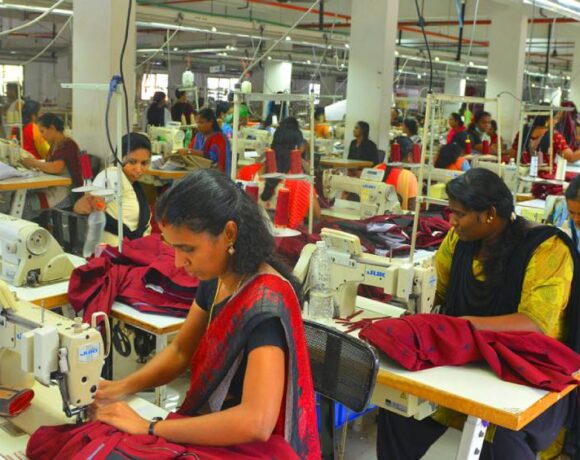
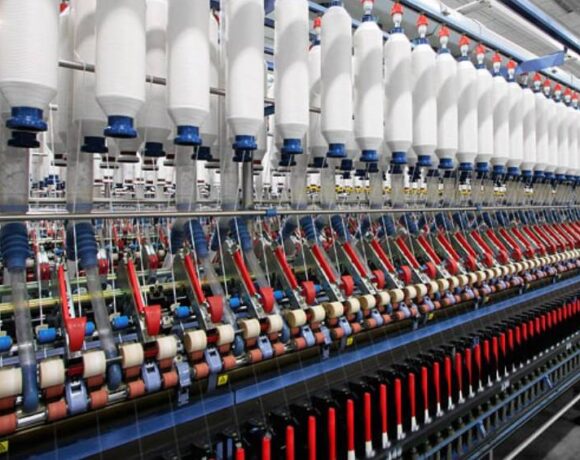
Researchers and rights groups argue that cotton cultivation and textile manufacturing are deeply entangled in this coercive system. In some cases, detainees were forced into “vocational training” that led directly to placement in cotton harvesting, ginning or spinning facilities. Others were sent across provinces under the so-called Pairing Assistance Programme, which pairs Xinjiang labour with coastal factories.
The report outlines multiple rights violations tied to Xinjiang cotton production:
- Forced Labour: Entire families subjected to state labour transfer schemes, with refusal risking detention.
- Population Control: Minority women in Xinjiang were disproportionately subjected to forced sterilizations and abortions, part of what the report calls a strategy of demographic engineering.
- Surveillance and Intimidation: Cotton workers monitored via digital databases tracking electricity use, travel and even fuel purchases.
- Restrictions on Religion and Culture: Workers banned from traditional religious practices, with “abnormal beards” or wearing veils considered signs of extremism.
The cotton industry has become the epicentre of a global supply chain dispute. Following mounting evidence of forced labour, the U.S. enacted the Uyghur Forced Labor Prevention Act (UFLPA) in 2021, banning imports linked to Xinjiang cotton. Since then, major apparel brands from fast-fashion giants to luxury houses, have faced pressure to prove their supply chains are free of forced labour.
The 2024 report highlights this pressure, noting that transnational repression extended to companies, activists and researchers abroad who raised concerns over Xinjiang cotton. Rights groups also allege that Beijing uses intimidation and cyberattacks to suppress investigations into its textile sector.
China has repeatedly denied these allegations, insisting that labour programmes are voluntary and designed to alleviate poverty. State media portray Xinjiang cotton as “clean and white,” rejecting claims of coercion as “Western lies.” Yet, evidence of systemic abuse continues to mount.
The crisis poses a dilemma for global fashion. Brands sourcing cotton from China, still the world’s largest textile exporter, face reputational risks if they cannot guarantee clean supply chains. At the same time, alternative sourcing from India, Pakistan, Africa and Central Asia struggles to scale quickly enough to replace Xinjiang’s dominance.
Trade experts warn the issue could reshape global textile flows. With Western markets tightening scrutiny, Xinjiang cotton increasingly finds outlets in countries with fewer import restrictions, particularly in Asia and the Middle East.
The U.S. report concludes that Beijing has taken “no credible steps to hold officials accountable for abuses,” reinforcing a pattern of impunity. For the cotton industry, this means human rights concerns will remain at the centre of trade debates for the foreseeable future.