Uzbekistan To Import 100,000 Tonnes Of Afghan Cotton Annually
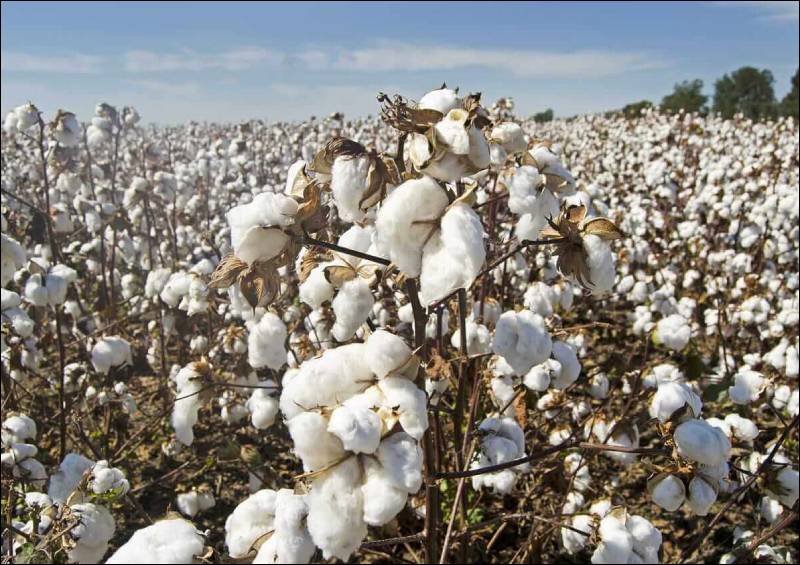
Uzbekistan has committed to purchasing 100,000 tonnes of cotton from Afghanistan each year as part of a broader initiative to strengthen bilateral economic ties and expand cooperation across agriculture, trade, transport and infrastructure development.
The commitment was announced during a high-level visit to Kabul led by Uzbekistan’s Deputy Prime Minister Jamshid Khojaev, where discussions with senior Afghan officials focused on boosting trade, investment and regional connectivity.
As part of the agreement, Uzbekistan will support Afghanistan’s cotton sector through the supply of improved cotton seeds and chemical fertilisers aimed at enhancing productivity and strengthening the country’s cotton value chain. The initiative is expected to provide Afghan farmers with a stable export market while ensuring additional raw material supplies for Uzbekistan’s textile industry.

The two countries also reaffirmed their commitment to the proposed Trans-Afghan Railway project, a strategic infrastructure initiative designed to connect Central Asia with South Asian markets. The project is expected to improve regional trade flows, reduce transportation costs and strengthen logistics connectivity across the region.
During meetings with Afghan Prime Minister Mohammad Hassan, Uzbek officials emphasized Afghanistan’s growing importance in Uzbekistan’s regional economic strategy. Both sides discussed ways to accelerate the implementation of previously announced investment and trade projects to generate tangible economic benefits.
Bilateral trade between the two countries has shown steady growth. Afghanistan exported approximately US$ 150 million worth of goods to Uzbekistan last year, while exports have already reached US$ 111 million during the current year, indicating continued momentum in commercial relations.
Transport cooperation was another key focus area. Officials from both countries agreed to establish a joint technical working group to streamline customs procedures, improve cross-border logistics and facilitate smoother movement of freight. Uzbekistan also pledged measures to increase access for Afghan transit vehicles, supporting more efficient regional trade routes.
Beyond cotton, Uzbekistan has expressed interest in expanding investments in Afghanistan’s agriculture, energy, mining, banking and industrial sectors. Bilateral trade between the two countries is currently estimated at around US$1.6 billion, with both governments aiming to significantly increase this figure through new infrastructure and investment initiatives.
The visit also saw the organisation of the Afghanistan-Uzbekistan Business Forum, which brought together government officials and private-sector representatives to explore new commercial opportunities. The event concluded with the signing of 22 agreements covering agriculture, logistics, industry and investment.
The planned expansion of cotton trade is expected to strengthen economic ties between the two neighbours while supporting the growth of regional textile value chains. Industry observers believe that deeper cooperation in agriculture, logistics and infrastructure, coupled with projects such as the Trans-Afghan Railway, could enhance Central Asia’s position as an emerging textile and trade hub.