Vietnam Textile And Apparel Exports To Go Up To US$ 46 Bn In 2025
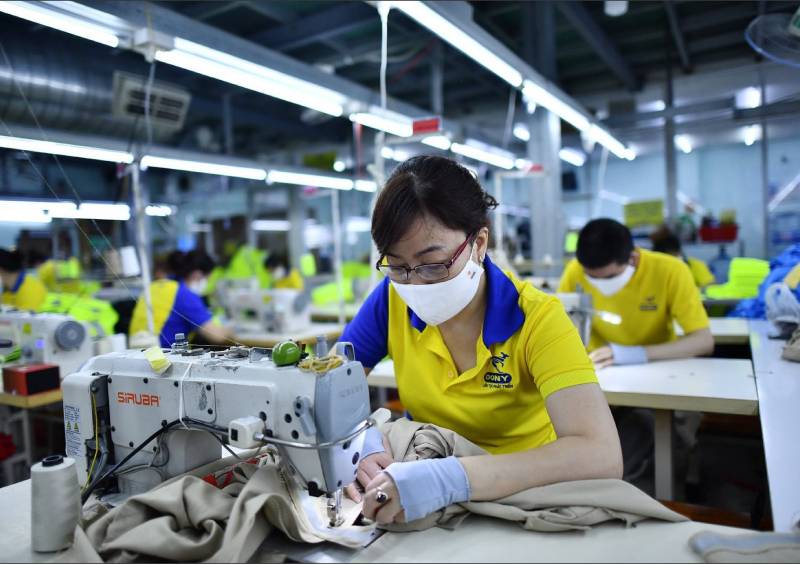
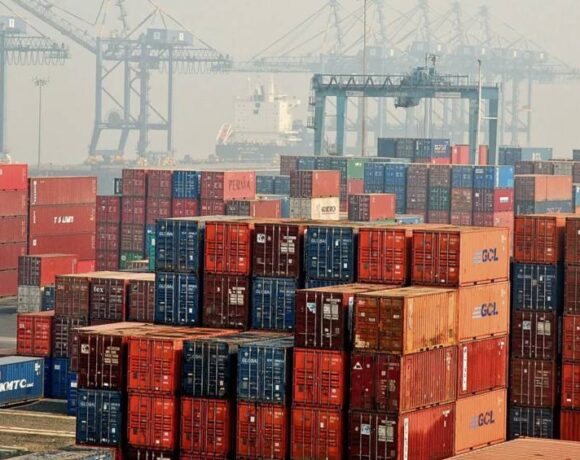
Vietnam’s textile and apparel industry is expected to maintain strong growth momentum in 2025, with exports forecast to reach US$ 46 billion, up 5.6 per cent year-on-year, according to the Vietnam Textile and Apparel Association (VITAS). The projection would generate a trade surplus of nearly US$ 21 billion, reinforcing Vietnam’s position as the world’s third-largest textile and apparel exporter.
The United States remains Vietnam’s largest export market, with shipments projected at US$ 18.6 billion, accounting for more than 40 per cent of total exports. Industry sources said Vietnamese manufacturers have already secured orders through the end of the first quarter of 2026, reflecting sustained buyer confidence. Exports to the European Union rose 15.8 per cent year-on-year, while shipments to ASEAN markets increased 9.9 per cent. Demand from Japan and South Korea also posted steady gains, helping Vietnam diversify its market exposure and reduce reliance on any single region.
The industry has made progress in improving domestic value addition, with the local content ratio rising to 52 per cent. However, structural gaps in the supply chain remain a concern. Fabric self-sufficiency stands at just 25 per cent, while the sector remains fully dependent on imported cotton, leaving manufacturers vulnerable to global price and supply fluctuations.
Vietnam continues to benefit from its extensive network of Free Trade Agreements (FTAs), which have lowered tariffs on exports to key markets such as the US and EU to around 20 per cent, enhancing price competitiveness. Combined with relatively low labour costs, average monthly wages are estimated at approximately RMB 2,500, the country has retained a strong cost advantage. Foreign-invested enterprises account for nearly 70 per cent of total textile and apparel exports, underlining the sector’s reliance on overseas capital and technology.
Despite its growth, the industry faces mounting challenges. Domestic companies contribute less than 30 per cent of total exports, while many small and medium-sized enterprises remain confined to low-value-added manufacturing. Environmental pressures are also intensifying, with high carbon emissions and the looming impact of the European Union’s Carbon Border Adjustment Mechanism (CBAM) posing risks to export competitiveness.
Competition within Asia is sharpening, as India and Indonesia increasingly attract orders through expanding capacity and competitive pricing. In response, VITAS said the industry’s future strategy will prioritise quality over volume, focusing on automation, digitalisation and intelligent manufacturing, alongside a gradual shift towards a circular economy model.
Industry leaders believe that accelerating supply-chain integration, upgrading technology and strengthening sustainability credentials will be critical if Vietnam is to sustain growth and move up the global textile and apparel value chain in the coming years.