
West Asia Conflict Pushes Up Costs, Weighs On India’s Apparel Exports
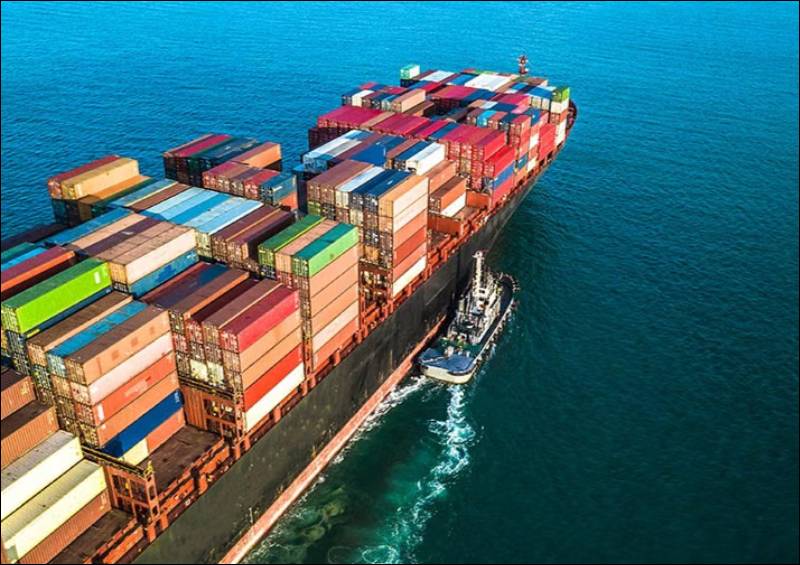
The ongoing conflict in West Asia is driving up costs for India’s apparel exporters, with logistics expenses rising by Rs 12 to Rs 55 per garment due to longer shipping routes and war-related surcharges, according to the Apparel Export Promotion Council (AEPC).
Citing industry estimates reported by The Times of India, AEPC said exporters are facing higher freight charges as shipping companies impose an Emergency War Surcharge (EWS) on cargo bound for Gulf markets. The surcharge has increased shipping costs by about US$ 1,200 per 20-foot container, translating into higher per-unit costs across categories—approximately Rs 12 per shirt, Rs 18 per trouser, Rs 37 per dress, Rs 43 per two-piece suit, and up to Rs 55 for winter coats.
Beyond cost escalation, shipping disruptions are adding further strain. Reduced vessel movement through key maritime routes such as the Strait of Hormuz and the Red Sea has forced rerouting of cargo. Many shipments are now being diverted via the Cape of Good Hope, extending transit distances by nearly 6,500 km and delaying deliveries by 10–15 days, while also increasing fuel and insurance costs.
According to AEPC, the conflict could also dampen demand in the region. A potential decline in apparel consumption and reduced brand confidence may impact export orders in the coming months.
Industry executives, quoted in The Economic Times, noted that diversions around southern Africa could further extend transit times by up to 20–25 days, putting additional pressure on already tight delivery schedules and margins.
The disruption comes at a challenging time for Indian exporters managing seasonal commitments and cost pressures. West Asia remains a crucial market, accounting for around 11.8% of India’s ready-made garment exports. According to data from the Directorate General of Commercial Intelligence and Statistics, exports to the region stood at approximately US$ 1.9 billion in the previous financial year.
The Gulf region, particularly countries within the Gulf Cooperation Council, continues to be a key trade partner, with apparel exports estimated at around US$ 1.8 billion in FY25.
Amid rising geopolitical tensions and supply chain disruptions, the sector faces mounting challenges in maintaining cost competitiveness and ensuring timely deliveries to one of its most important export markets.