
West Asia Conflicts Raise Trade And Energy Concerns For India
Escalating conflicts in West Asia are beginning to cast a shadow over global trade flows and energy markets, prompting concerns among investors and businesses about the potential spillover effects on the Indian economy. A recent report by JM Financial Institutional Securities indicates that prolonged disruption in the region could have a negative impact across shipping, energy and key infrastructure-linked sectors.
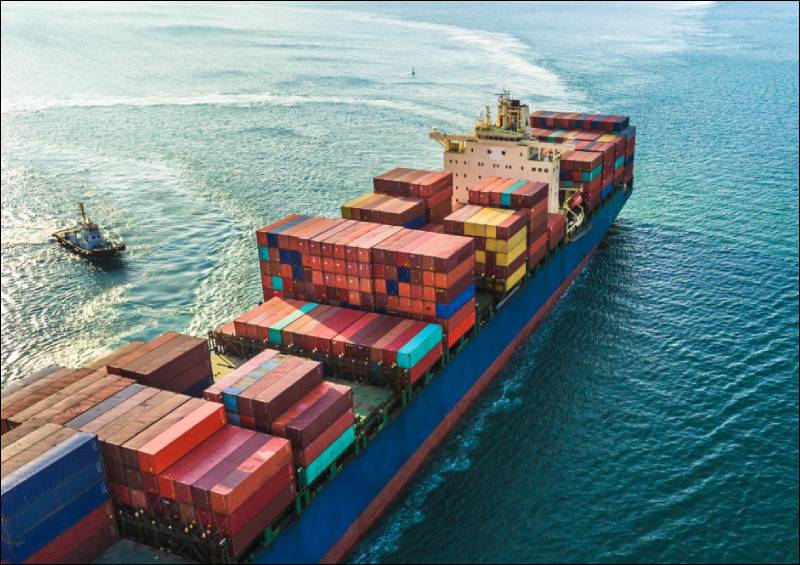
One of the primary concerns centres on critical maritime chokepoints such as the Strait of Hormuz and the Bab el Mandab Strait. Any disruption to these routes could significantly increase freight rates, delay cargo movement and reduce shipping capacity. Reports also suggest that certain ports in the Middle East are operating only partially following damage linked to the conflict, adding to logistical uncertainty.
The implications are particularly significant for India. The West Asia and North Africa (WANA) region accounts for nearly 31 per cent of India’s total export-import cargo. A sustained slowdown in regional shipping activity could reduce cargo volumes at Indian ports as vessels reroute or skip affected destinations, directly impacting port operators and logistics players.
Among listed companies, JSW Infrastructure has notable exposure through its liquid terminal storage facility in Fujairah, which reportedly contributed around 13 per cent of its FY25 EBITDA. Any prolonged disruption affecting oil and petroleum product flows through the Gulf could weigh on throughput volumes. Similarly, Adani Ports and Special Economic Zone may face headwinds if oil tankers, LNG shipments and container traffic through the Persian Gulf slow down.
Energy logistics players could also feel the impact. Aegis Logistics, which handles LPG imports, may see cost pressures if disruptions trigger a rise in LPG and propane prices, affecting margins and demand dynamics.
The aviation sector is another area of potential vulnerability. Airspace restrictions or flight cancellations across parts of West Asia could disrupt international routes. InterGlobe Aviation, which operates IndiGo, remains particularly sensitive to fluctuations in aviation turbine fuel prices. A sustained increase in crude oil prices would likely pressure operating margins across the airline industry.
The broader macroeconomic risk stems from rising crude prices. Brent crude has already climbed to around US$ 72–73 per barrel, marking a seven-month high. Nearly 20 percent of global oil flows and more than 40 percent of India’s crude imports pass through the Strait of Hormuz, making the route strategically vital. Analysts caution that prolonged disruption could push oil prices above US$ 90 per barrel, with the possibility of testing the US$ 100 mark in a severe scenario.
For India, the economic implications are substantial. Estimates suggest that every US$ 1 increase in crude oil prices raises the country’s annual import bill by approximately US$ 2 billion, widening the trade deficit and exerting pressure on inflation and the currency.
Despite the uncertainty, market strategists advise against panic-driven decisions. V K Vijayakumar, Chief Investment Strategist at Geojit Investments Ltd, notes that while geopolitical tensions may keep markets volatile in the near term, historical trends show that indiscriminate selling during crises often proves counterproductive.
For trade and industry stakeholders, the key will be closely monitoring shipping flows, freight trends and energy prices. While the immediate impact remains manageable, a prolonged conflict could test supply chain resilience and cost structures across sectors ranging from ports and logistics to aviation and energy-intensive industries.