Zero-Tariff US Deal May Reshape India–Bangladesh Garment Rivalry
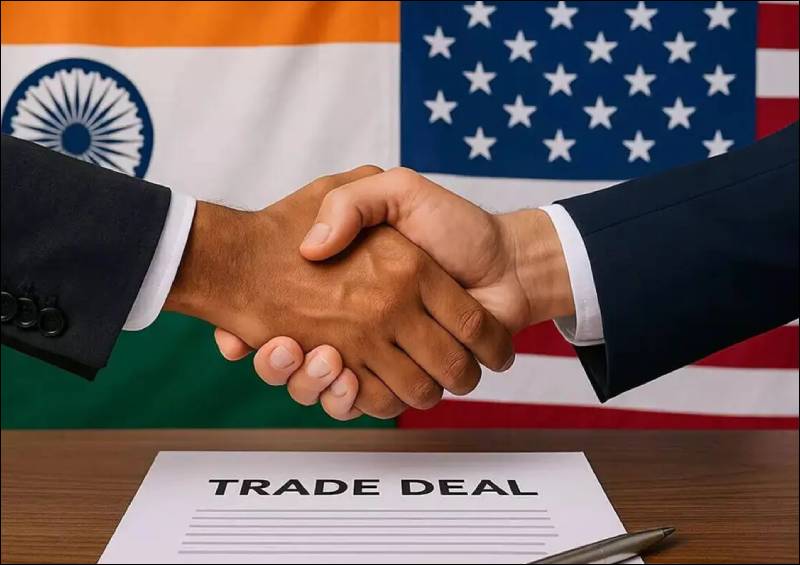
Union Commerce Minister Piyush Goyal’s indication that India could secure zero-duty access to the US market for garments made from American cotton has triggered concern within Bangladesh’s apparel industry.
Under the proposed India–US trade arrangement, Indian textile and garment exporters may receive tariff-free entry into the United States for products manufactured using US-origin cotton. Such a move would place India on par with Bangladesh in terms of duty benefits in the key American market, potentially altering the competitive landscape in global apparel trade.
Bangladesh’s garment exporters fear that equal tariff treatment could erode their long-standing advantage in the US, one of their largest export destinations. Industry stakeholders there point to India’s relatively lower production costs, strong policy support for the textile sector and improved customs facilitation as factors that could strengthen India’s position if the zero-duty structure materialises.
However, Bangladesh’s industry is also assessing potential counterbalances. Unlike Bangladesh, which is heavily dependent on imported cotton, India is one of the world’s largest cotton producers and the second-largest exporter of raw cotton. In FY 2024–25, India exported over US$ 6.4 billion worth of raw cotton, with major buyers including Bangladesh, China and Vietnam. At the same time, India imported around 4.13 million bales of US cotton during the year, highlighting its growing trade engagement with American suppliers.
Bangladesh currently allows duty-free cotton imports, while India levies a 12 percent duty on cotton imports. Some analysts believe this differential could offer Bangladesh a limited cushion. However, others argue that Bangladesh’s structural dependence on imported raw materials often results in higher overall production costs compared to India, which benefits from domestic cotton availability and an integrated value chain.
India’s growing influence in the US sourcing landscape is also notable. Industry estimates suggest that 77 percent of US fashion brands and retailers sourced from India in 2025, a trend expected to continue through 2027.
If implemented, the zero-tariff arrangement could intensify competition between the two South Asian garment exporters, potentially reshaping sourcing patterns in the world’s largest apparel market.