Breakthrough Study Brings Hemp Closer To Mainstream Textile Use
A innovative study from the University of Zagreb’s Faculty of Textile Technology is set to redefine the role of hemp in the textile industry. Long considered a niche, infrastructure-intensive fiber, hemp is now being recognized as a cotton-compatible input that can be spun using standard machinery, opening the door to broader industrial use and adding value to agricultural waste.
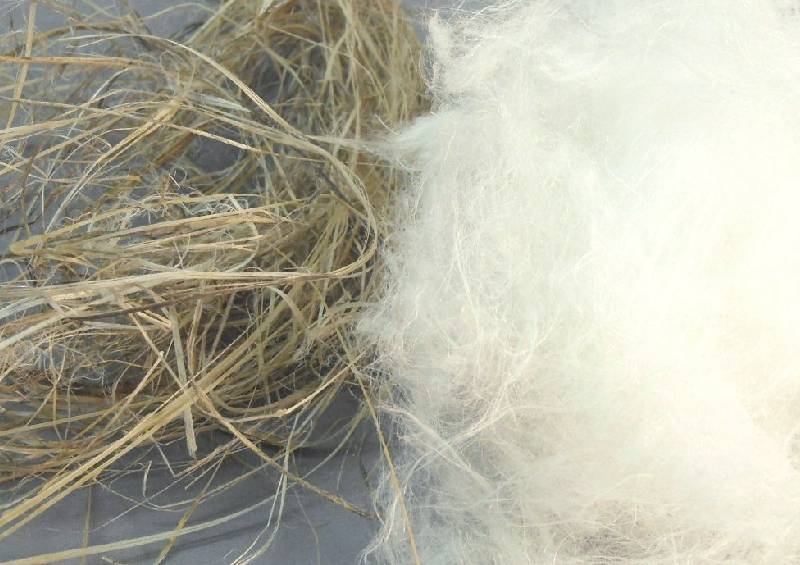
Published in the peer-reviewed journal Cellulose (Springer Professional), the research presents a novel mechanical-chemical “cottonization” process that transforms post-extraction hemp biomass into spinnable, short fibers. By applying peroxide-based chemical treatments and mechanical refinement, the research team successfully produced hemp fibers suitable for blending with cotton and spinning on open-end rotor systems, a widely used method in the textile industry.
The breakthrough addresses the core technical challenges that have historically limited bast fibers like hemp: high lignin content, stiffness, and fiber irregularity. The resulting blended yarns met industrial standards for tensile strength and were processed on conventional cotton spinning equipment, effectively eliminating the need for costly, specialized machinery.

Traditionally, natural bast fibers such as hemp and flax require dedicated long fiber wet-spinning systems, an expensive, geographically limited infrastructure that has hindered their mainstream adoption. This new approach allows mill operators and brands to incorporate hemp into their product lines without retrofitting or replacing equipment.
“This research bridges a critical gap,” said Joseph Carringer, CEO of Canna Markets Group. “It connects the raw material end of hemp cultivation with the established textile processing infrastructure. That’s essential for scaling hemp’s role in global fiber supply.”
For hemp processors, the findings offer a new opportunity to monetize fiber waste—an underutilized by-product of cannabinoid or seed oil extraction. For brands, it presents a scalable, sustainable alternative to conventional cotton, aligning with growing environmental and circular economy goals.
The focus on cottonization, a process of softening and shortening bast fibers to mimic cotton’s properties is central to the study’s commercial significance. Long fiber hemp, though premium in quality, remains largely unavailable due to lack of processing infrastructure. Cottonized hemp, by contrast, integrates seamlessly into existing workflows and machinery, allowing for easy blending with cotton or recycled materials.
“Infrastructure and scale are key considerations for large-scale buyers,” Carringer added. “This development shows that hemp can now work within the existing system, not outside it. That’s exactly the kind of solution the market has been waiting for.”
Despite the promise, several hurdles still need to be addressed. The removal of lignin at scale introduces additional cost and complexity. Consistency in fiber quality, an ongoing challenge in hemp processing will be crucial to achieving reliable yarn output. Moreover, while blended yarns performed well, pure hemp yarns lagged in strength and uniformity, signaling that full cotton substitution remains a future goal.
Nonetheless, the study arrives at a pivotal moment for the global textile industry, which is under pressure to adopt more sustainable materials. Cottonized hemp offers a compelling solution: it reduces textile waste, lowers dependency on water- and pesticide-intensive cotton, and avoids the use of synthetic fibers.
For manufacturers, this opens the door to integrated processing systems that utilize hemp waste more efficiently. For brands, it offers a viable, low-barrier entry into sustainable sourcing based not on experimental materials, but on practical compatibility with industrial-scale operations.
This research signals a major step forward in aligning environmental goals with commercial realities, bringing hemp one step closer to mainstream adoption in global textile supply chains.