Keeping Clothes In Circulation: How EU Research Is Transforming Textile Waste
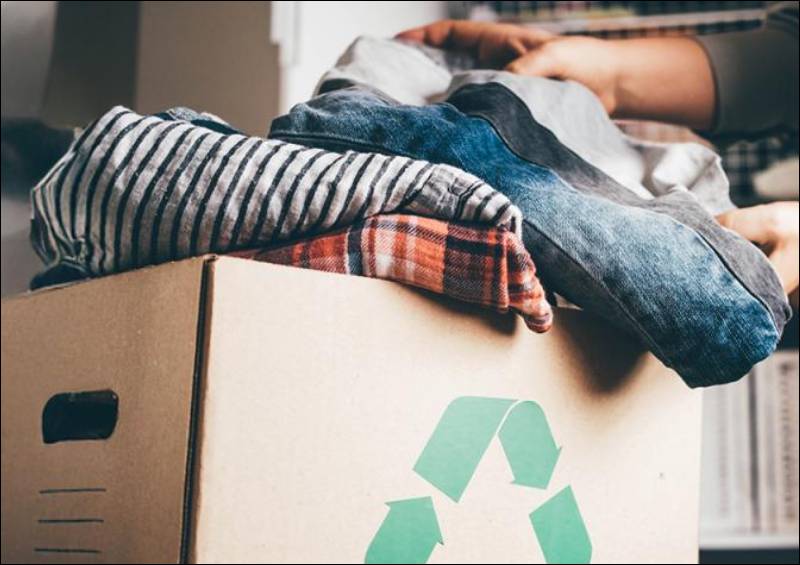
Europe is taking bold steps to slash textile waste by up to 80% and make sustainable products the new standard. Across the continent, EU-funded researchers and manufacturers are working together to turn old clothes into high-quality new products, transforming the way Europe approaches textile recycling.
In Waregem, north-west Belgium, an innovative machine accessible only by fingerprint to trusted staff is quietly redefining textile recycling. Stretching 170 metres, this unique device gently untwists woven and knitted fibres with extraordinary precision, preparing them for reuse without damaging their structure. The machine is at the core of tExtended, a four-year EU-funded initiative aimed at revolutionizing textile recycling and reducing waste. Each year, around 7 million tonnes of textiles end up in European landfills or incinerators, according to the European Environment Agency, a figure the project aims to drastically cut.
“There’s only one such machine in the world,” said Koen De Ruyck, General Manager of PURFI Manufacturing, which is pioneering sustainable textile ‘rejuvenation.’ “Visitors to our factory can only see what goes in and what comes out, the rest happens inside a black box to protect our process.” Unlike traditional recycling methods that shred or tear fabrics, PURFI’s “soft mechanical recycling” process gently unravels textiles so that fibres retain their length and strength. The result is fibres that can be reused to make new, high-quality garments instead of being downcycled into low-grade materials like insulation or cleaning cloths. “Most recycling today is actually downcycling,” De Ruyck explained. “You start with something beautiful and end up with something very basic. Upcycling is less than 1% at the moment, and until that increases, we won’t significantly reduce textile waste.”

The Waregem trials form one part of tExtended, which runs until November 2026. The project brings together research and industry partners from Finland, Sweden, Belgium, France, Ireland, Latvia, Slovakia, Spain, Portugal and Switzerland, united by a shared goal to cut Europe’s textile waste by up to 80%. The effort reflects both the environmental cost of textile production and the EU’s determination to make sustainable products the norm. Since January 2025, all EU member states have introduced separate textile waste collection under new regulations, ensuring old garments are reused, repaired or recycled rather than sent to landfill. However, the transition remains challenging. “There’s still limited information about how different types of textile waste can replace raw materials in production,” said Dr. Pirjo Heikkilä, Principal Scientist and Project Manager at the VTT Technical Research Centre of Finland, and coordinator of tExtended.
The tExtended team is developing a comprehensive blueprint for producers, detailing how to sort, process and reuse various textile waste streams. Their research supports the EU Strategy for Sustainable and Circular Textiles, which aims to reduce overproduction, encourage repair and reuse, and make textile recycling a mainstream practice. For Heikkilä, who has studied textiles for 25 years, the project has been personally transformative. “Nowadays, I think very carefully about what I buy. I choose second-hand clothes, and when I buy new, I check where and how they’re made,” she said. “But while consumers can make a difference, it’s industry that carries the main responsibility to design more sustainable products.”
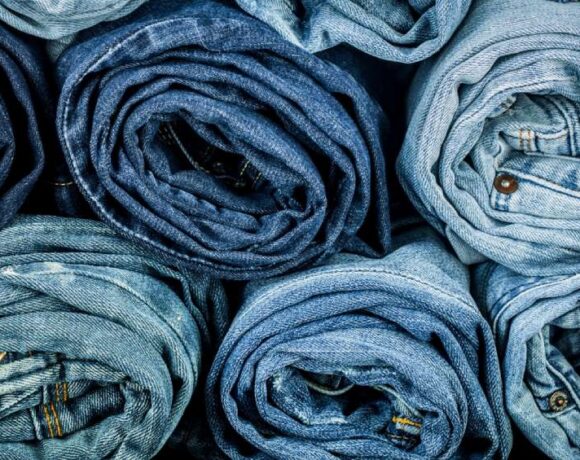
At PURFI, recycled fibres are being tested for quality and performance before being spun into yarn for garments and home textiles. Pilot production has already begun, with recycled denim made from a 50-50 blend of production waste and post-consumer clothing. The project’s long-term ambition is to produce denim made entirely from pure recycled cotton. In Portugal, towel manufacturer JF Almeida is also experimenting with recycled materials in its spinning mills. “Sustainability is part of our DNA,” said Liliana Miranda from JF Almeida’s commercial department. “Every day, customers ask about recycled products. This project helps us create new products with less impact and open up new markets.”
By reducing incineration and boosting fibre recovery, tExtended aims to make Europe less dependent on imported raw materials and strengthen its position as a leader in sustainable, high-quality textile production. “There is a real opportunity for Europe to become a global leader in sustainable textiles,” said Heikkilä. Projects like tExtended show that with innovation and collaboration, textile waste can be transformed from an environmental burden into a valuable resource, keeping clothes in circulation and closing the loop on fashion’s future.
(By Ali Jones)