
China Apparel Supply Chain Faces Cost Pressure As Oil Surge Lifts Fibre Prices

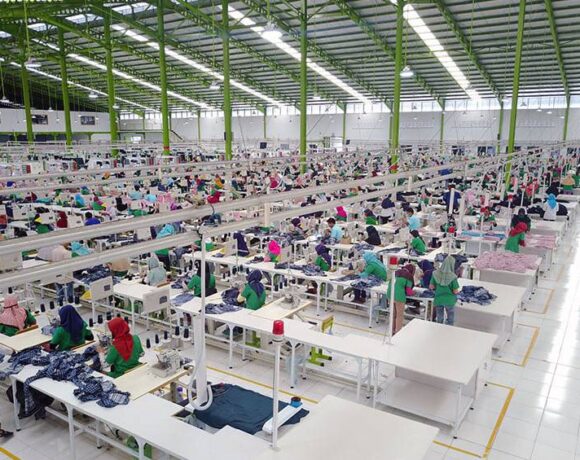
Chinese clothing manufacturers are facing rising cost pressures as the surge in crude oil prices linked to the escalating conflict involving Iran pushes up raw-material prices across the apparel supply chain.
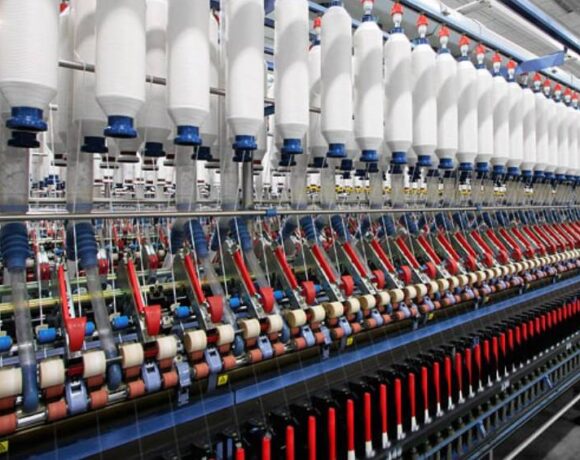
Prices of chemical fibres such as polyester and acrylic, key oil-derived materials widely used in garment manufacturing, have increased by more than 10 per cent since the United States and Israel launched strikes on Iran, according to apparel manufacturers in southern and eastern China. Fibre suppliers are reportedly revising prices frequently, sometimes multiple times a day, in response to volatile crude markets.
The increase in raw-material costs is forcing garment manufacturers to renegotiate terms with buyers and adjust payment structures to manage cash-flow pressures. Many factories supplying domestic retailers and e-commerce sellers are attempting to share the burden of rising costs with their customers while increasing advance payments to secure materials.

The spike in input costs could ripple through the apparel supply chain, potentially pushing up prices for finished garments. The development comes at a challenging time for manufacturers as global consumer demand remains fragile and China’s broader economic recovery continues to show uneven momentum, increasing the risk of margin compression for factories.
Crude oil prices have surged sharply amid escalating geopolitical tensions and supply disruptions in the Gulf region. The sharp volatility in oil markets is directly affecting petrochemical-based fibres that dominate the textile industry.
Manufacturers supplying fast-turnover e-commerce platforms such as Shein, Temu and Amazon may pass on higher material costs more quickly to consumers. The business model of these platforms typically relies on smaller batch orders, allowing suppliers and retailers to reset prices and renegotiate costs within shorter production cycles.
Export-oriented factories are also closely monitoring daily fluctuations in raw-material costs as they determine when to pass on increases to customers. Suppliers producing goods for major international retailers, including Walmart, are particularly exposed due to tight margins and fixed order prices, which leave little room to absorb sudden cost increases.
If crude oil volatility persists, rising petrochemical fibre costs could further strain manufacturers and increase pricing pressure across the global apparel supply chain.