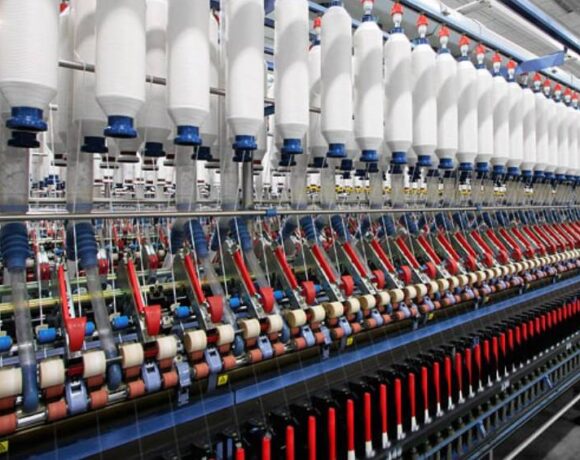

Crude, Coal Price Surge Raises Cost Pressures For Surat Textile Industry
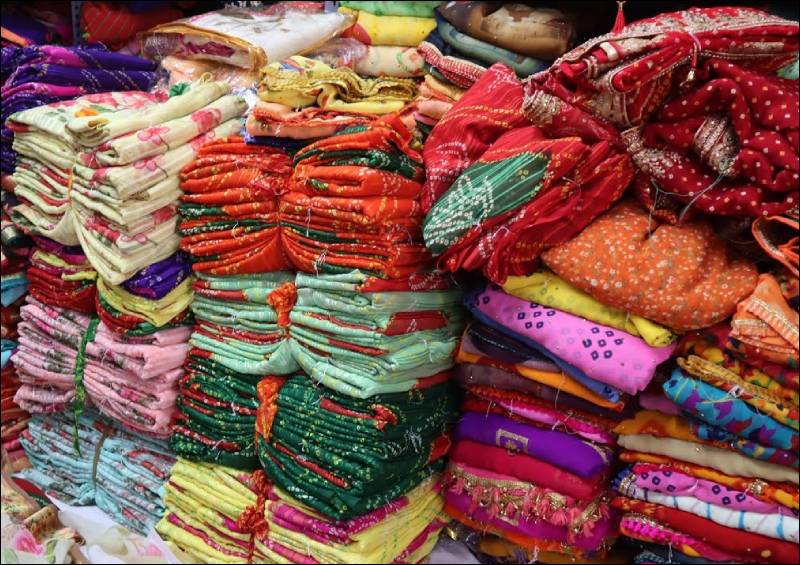
A sharp rise in crude oil and coal prices amid global geopolitical tensions is putting pressure on the textile industry in Surat, driving up production costs and raising concerns over a possible increase in prices of sarees, dress materials and garments.
Industry sources indicate that the prices of man-made fibres (MMF) could increase by around 20 percent as the cost of chemicals, yarn, weaving and processing has risen in recent days. Surat, which has a daily production capacity of nearly 6 crore metres of greige fabric, is already witnessing the impact of higher input costs combined with subdued demand in key markets.
Crude oil prices have shown significant volatility, rising from around US$ 75 per barrel a week ago to nearly US$ 120 before easing to about $92. The fluctuations have directly affected petroleum-based yarn products, particularly polyester and nylon, leading to a rise in yarn prices across several categories by Rs 10 – Rs 30 per kg.

Weaving units in the city have begun purchasing yarn cautiously as manufacturers face rising costs while fabric demand remains weak. Industry participants say this imbalance has made it difficult for weavers to sustain normal operations, prompting some smaller units to temporarily reduce activity.
Export markets have also shown signs of stagnation, with subdued demand from destinations such as Dubai affecting order flows for Surat-based manufacturers.
At the same time, the cost of yarn manufacturing has increased due to higher crude-linked raw material prices, which are largely influenced by international market trends. Traders note that the market is currently slower than usual at a time when production typically picks up ahead of the festive season, when demand for textile products generally rises.
Further pressure has emerged from rising coal prices, which have increased by nearly 35 per cent over the past two weeks. Textile processing units in Surat, which depend heavily on coal for their operations, have started raising processing charges to offset the higher fuel costs.
Industry stakeholders warn that if the current cost pressures persist, prices of finished textile products could rise by at least 20 percent in the coming weeks.