
West Asia Conflict Risks Disrupting Trade, Energy Supplies: Assocham
A prolonged conflict in West Asia involving the United States, Israel and Iran could significantly disrupt global trade and impact India’s energy security, supply chains and export flows, the Associated Chambers of Commerce and Industry of India (Assocham) has warned.
The chamber highlighted the vulnerability of the Strait of Hormuz, through which nearly 20% of the world’s oil supply and a substantial share of liquefied natural gas (LNG) trade passes. Any disruption in this critical corridor could drive up global fuel prices, increasing costs across manufacturing and logistics sectors.
Given India’s heavy reliance on crude oil imports, a sustained spike in energy prices could widen the current account deficit and stoke inflationary pressures, Assocham noted.

The Middle East remains a vital partner for India, supplying crude oil, LNG, petrochemicals, fertilisers and aluminium, while also serving as a key export market. The region’s importance extends beyond trade, with significant remittance inflows from Indian workers based in Gulf countries.
Assocham President N K Minda pointed out that the Gulf is home to a large Indian diaspora employed across construction, healthcare, hospitality and tourism. Citing the Reserve Bank of India’s remittances survey for 2023–24, he noted that the United Arab Emirates alone accounted for 19.2% of India’s total inward remittances.
Assocham Secretary General Saurabh Sanyal added that West Asia continues to be a critical supplier of essential commodities. In 2025, India imported goods worth approximately $98.7 billion from the region, including energy resources and industrial inputs.
He warned that energy-intensive industries could face mounting pressure if disruptions persist, especially amid ongoing geopolitical tensions and tariff uncertainties that are already weighing on global trade and business confidence.
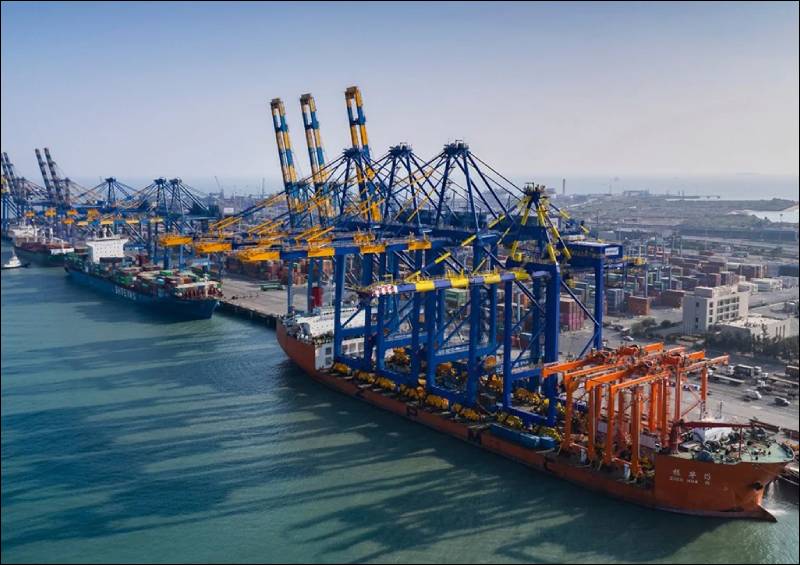
The chamber also flagged logistical challenges, noting that disruptions in Gulf maritime routes have delayed container shipments and deliveries. In some cases, containers stranded at Indian ports are being redirected for domestic sales.
Sectors such as gems and jewellery, pharmaceuticals, electronics, petroleum products and agriculture could face adverse impacts if the conflict continues, Assocham said, underlining the broader economic risks for India amid escalating geopolitical uncertainty.