Alternative Plant Fibres: How Old Materials Are Powering A New Industrial Future
For decades, the global textile and materials industry has been built on a simple formula: scale, speed and synthetics. Polyester rose, plastics spread across every application imaginable and traditional fibres quietly slipped into the background. But today, that formula is beginning to crack. Climate pressure, plastic pollution and resource scarcity are forcing industries to rethink what they make and, more importantly, what they make it from.
In this moment of reset, an unlikely contender is stepping back into the spotlight: plant fibres. Not as relics of the past, but as materials for the future.
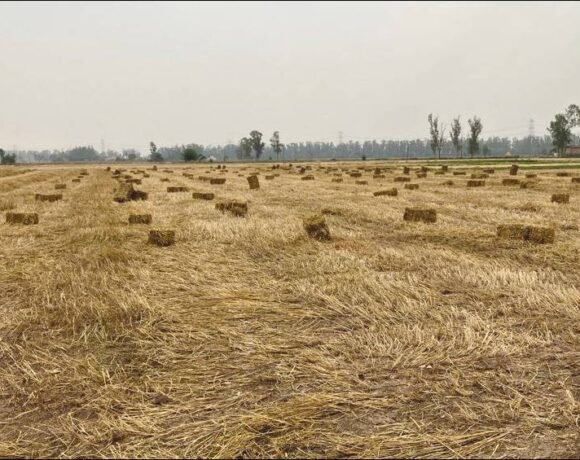
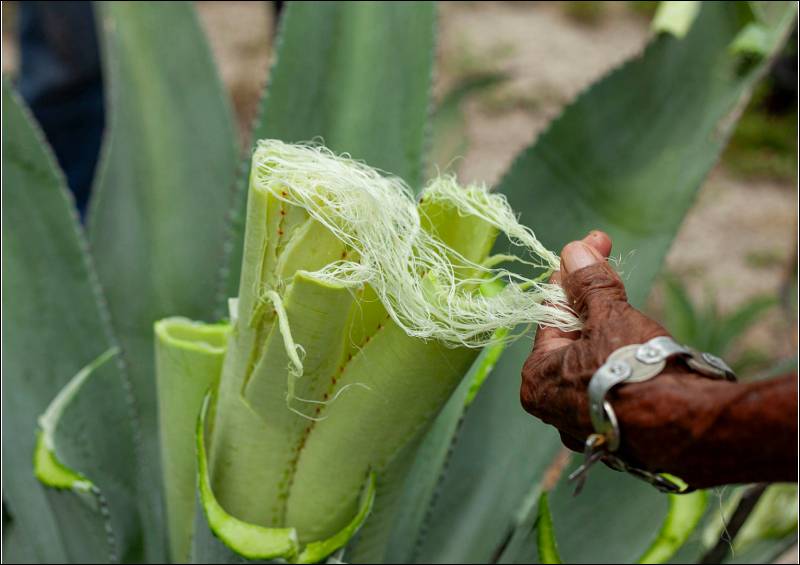
From banana stems discarded after harvest to pineapple leaves left to rot in the fields, a new generation of fibres is being extracted, refined and re-engineered into viable industrial inputs. What was once agricultural waste is now being repositioned as a raw material for textiles, composites, packaging and even automotive applications. It’s a shift that feels both radical and obvious, turning what we already grow into what we urgently need.

Yet the story of plant fibres is not new. Long before synthetics dominated, fibres like flax, hemp and jute formed the backbone of economies and everyday life. They clothed populations, built homes and powered trade. Their decline wasn’t due to lack of performance, but rather the rise of cheaper, standardised, petrochemical alternatives. In that transition, an entire ecosystem of knowledge, infrastructure and innovation was left behind.
Today, the industry is rediscovering that lost potential, but under very different conditions.
The numbers tell a story of both promise and constraint. Global production of alternative plant fibres, excluding cotton, stands at just under 6 million metric tonnes, a fraction of the overall fibre market dominated by synthetics. On paper, it’s a niche. In reality, it’s an underdeveloped opportunity. Demand is no longer the primary issue. The real challenge lies in building systems that can deliver consistency, scale and quality.
Because unlike synthetic fibres, plant fibres don’t come out of a controlled industrial pipeline. They are grown, not manufactured. Their quality shifts with climate, soil and processing methods. Supply chains are fragmented, often rooted in smallholder farming and informal networks. Infrastructure is uneven and, in many regions, still reliant on decades-old machinery. It’s a sector rich in potential, but constrained by its own complexity.
And yet, that complexity is also its strength.
Plant fibres offer something synthetics cannot: a direct link between industry, agriculture and the environment. When cultivated and processed responsibly, they can restore soil health, support biodiversity and generate rural livelihoods. In a world increasingly focused on circularity, they fit naturally into a system where waste becomes input and production aligns more closely with ecological cycles.
This is why industries beyond textiles are beginning to take notice. In automotive manufacturing, natural fibre composites are being used to reduce weight and improve sustainability credentials. In construction, plant-based insulation materials are gaining traction. In packaging, fibre alternatives are stepping in where plastics are being phased out. These are not experimental uses, they are early indicators of a broader material transition.
Still, scaling this transition will not be straightforward. The sector faces a familiar set of hurdles: limited investment, lack of standardisation, and insufficient data to support large-scale decision-making. Many of the fibres gaining attention today, such as those derived from banana or pineapple, are still in early stages of development. Their growth is promising, but fragile.
What’s becoming clear is that the future of plant fibres will not be built by technology alone. It will depend on how effectively the industry connects its past with its future.
At the heart of this sector are small producers, indigenous communities and traditional systems of knowledge that have worked with these materials for generations. Their practices are often inherently sustainable, shaped by an understanding of local ecosystems rather than industrial efficiency. Integrating this knowledge with modern processing technologies and global supply chains is not just an opportunity, it is a necessity.
The companies and innovators entering this space are beginning to recognise this. New models are emerging that combine decentralised production with centralised processing, digital traceability with artisanal expertise and global demand with local supply. These are early steps, but they point toward a more balanced and inclusive industrial model.
Policy, too, is starting to shift in favour of such materials. Regulations targeting single-use plastics, increasing scrutiny on microplastics and growing corporate commitments to sustainability are all creating tailwinds for plant-based alternatives. Markets are opening, but they require readiness, something the sector is still building.
What makes this moment particularly compelling is the convergence of forces driving it. Environmental urgency, technological capability and market demand are aligning in ways that were not present even a decade ago. Plant fibres are no longer competing on nostalgia or niche appeal; they are being evaluated on performance, scalability and impact.
The question is no longer whether plant fibres have a role to play, but how large that role can become.
If the industry can overcome its structural limitations, modernise processing, strengthen supply chains and build confidence among buyers, plant fibres could move from the margins to the mainstream. Not as replacements for every synthetic material, but as essential components in a more diversified and resilient material mix.
In many ways, the future of materials may not lie in inventing something entirely new, but in reimagining what has been with us all along.