‘India Could Become A Preferred Denim Destination’
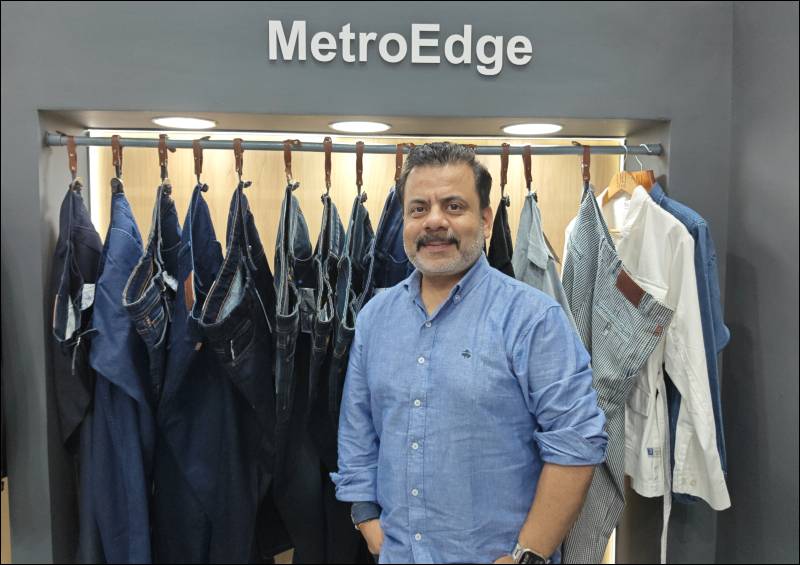
At the recently concluded Gartex Texprocess India, Ashish Bhatnagar unveiled the company’s latest collection while offering sharp insights into market volatility, innovation and India’s evolving position in the global denim landscape. In conversation with Henry Dsouza, Associate Editor of Textile Insights, he spoke about product strategy, geopolitical disruptions and the future of denim.
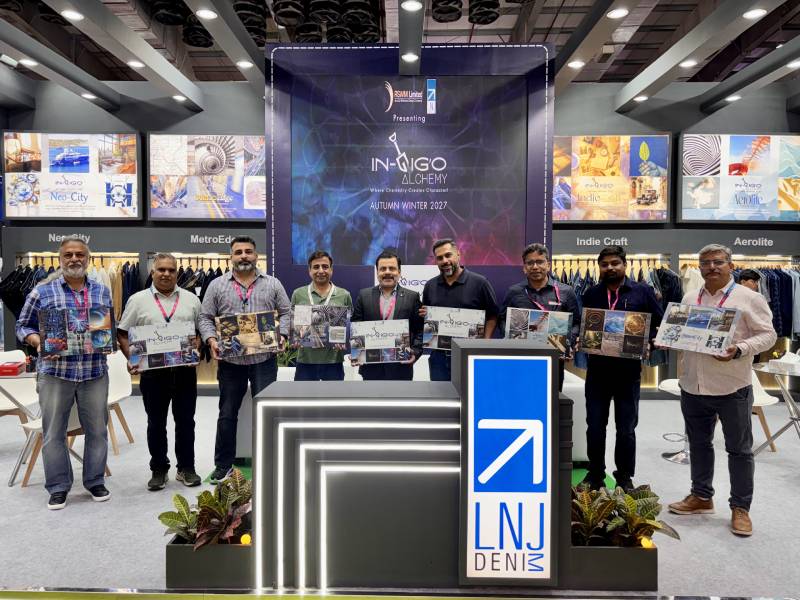
LNJ Denim, an RSWM Ltd. company, introduced its latest Autumn-Winter 2027 collection at the Gartex Texprocess India exhibition held from April 9-11, 2026 in Mumbai. Speaking about the newly launched Autumn-Winter 2027 collection, branded as In-DIG’o Alchemy, Bhatnagar described it as a reflection of the chemistry of dyes and yarn innovation.” He explained that the collection has been designed to cater to diverse market segments. “We have structured categories like Pulse for essentials, Neo City for blends such as modal and other fibres, Metro Edge for subtle office wear, Aerolite for lightweight, Indiecraft for structures and Nova Lab, which focuses entirely on technology,” Bhatnagar said.
Elaborating on Nova Lab, he noted, “It is where we bring together fibre innovation, weave engineering and processing techniques. From graphene and nylon-based performance fabrics to advanced coatings and over-dyed finishes, Nova Lab represents technology across all aspects of denim manufacturing.”

The collection, aimed at brands and export markets, will now move into mill weeks and upcoming showcases, including Denim & Jeans India, Bengaluru. “Gartex was just the beginning. The real engagement with brands will happen over the next few months,” he added.
Reflecting on Gartex, Bhatnagar described it as extremely busy, with strong participation primarily from Mumbai and Ahmedabad-based buyers. “Being a West Zone-centric show, most visitors were regional,” he said.
On the global denim market, he acknowledged the uncertainty caused by geopolitical tensions. “The market is highly volatile. Neither mills nor brands are committing to long-term contracts. Everyone is cautious because the situation can change overnight,” he explained. Despite this, he remains optimistic about recovery. “As soon as stability returns, there will be corrections in input costs like cotton, polyester and fuel. The market will bounce back,” avers Bhatnagar.
From a consumer perspective, Bhatnagar observed a subtle but important shift. “Denim remains a broad category. While fast fashion players like Inditex continue rapid cycles, most brands maintain a 40-50% core range with seasonal additions based on trends. That core share has slightly increased as consumers look for longevity and value.”
On the domestic front, he highlighted LNJ Denim’s participation in Bharat Tex 2026, where the company will present a mix of current and newly developed products. “We customise our offerings depending on the show. Bharat Tex will see both existing collections and new developments ready by then,” he stated.
However, the ongoing geopolitical situation has had operational consequences. “Gas availability has been a daily struggle. Prices have increased three to four times and supply disruptions have been constant. It’s a challenge we are managing every day,” he admitted. Labour availability has also been impacted. “With migration and external factors like regional elections, workforce stability remains a concern.”
On technology adoption, Bhatnagar was pragmatic about AI. “We use AI for trend analysis and design inputs, there is no in-house implementation yet. I don’t see AI completely replacing human roles in denim fabric and garment manufacturing anytime soon. This industry still depends heavily on skilled labour.”
Comparing India with global competitors, he drew a clear distinction. “In denim fabrics, India is a leader in capacity, quality and innovation. But in garmenting, we are only 10-15% of Bangladesh’s scale. That’s where we lag.” He added that this gap is now beginning to narrow. “With upcoming FTAs and geopolitical shifts, investments in garmenting are picking up in India. We are also entering this space, albeit gradually.”
LNJ Denim’s initial garmenting capacity will be modest. “We are starting with about 30,000 pieces per month, which is very small by global standards. But this is just the beginning. Larger expansions are already in planning,” he revealed.
Looking ahead, Bhatnagar sees structural changes shaping the industry. “Sustainability and circularity are becoming non-negotiable, especially with European buyers driving compliance. There will also be more innovation on the fibre side and increased adoption of sustainable processing technologies like laser for washing.”
He remains confident about India’s long-term potential. “With political stability, improving trade agreements and integrated initiatives like PM MITRA parks, India is poised to become a preferred sourcing destination,” he said.
Summing up the current environment, he struck a balanced note. “We are going through a tough phase, but the industry is collaborating more than ever across the value chain. If this continues, we will come out stronger, just like we did after COVID.”
Looking a decade ahead, Bhatnagar concluded, “Denim will evolve with sustainability, fibre innovation and global realignments. South Asia, and particularly India, will play a much bigger role in the global denim ecosystem.”