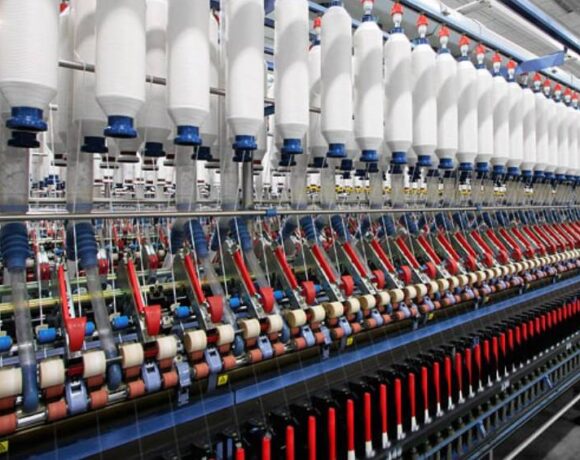

Sri Lanka Replaces Textile Import Cess With 18% VAT
Sri Lanka’s textile industry is set for a major adjustment in import taxation after the government introduced a new fiscal framework that replaces the existing cess on imported textiles with an 18% Value Added Tax (VAT). The change, which came into effect on April 1, 2026, is part of broader reforms aimed at simplifying the country’s tax structure and improving compliance.
The reform package, approved by the Committee on Public Finance (CoPF), seeks to streamline multiple import-related levies into a more unified VAT-based system. Officials argue that the shift will enhance transparency, reduce administrative complexity and align textile imports with the wider national taxation framework.
Under the earlier system, importers were required to pay a cess at the point of entry. With the new structure, that levy has been removed and replaced by VAT. Authorities have highlighted that VAT-registered businesses will be able to claim input tax credits, allowing them to recover the tax paid during imports over time.

While the government has positioned the change as revenue-neutral in the long run, industry players are more concerned about short-term liquidity pressures. Importers will now need to make higher upfront tax payments, which could strain working capital, particularly for smaller firms with limited access to financing.
During parliamentary discussions, officials acknowledged that businesses may face temporary cash-flow challenges but maintained that these would be offset through the input tax credit mechanism once filings are completed.
However, critics within the industry remain cautious. They point out that not all businesses are equally equipped to utilise VAT credit systems efficiently. Smaller importers and retailers, especially those with less formal accounting structures, may struggle to recover costs quickly or fully.
There are also concerns that the increased upfront financial burden could lead to higher operating costs, which may eventually be passed on to consumers in the form of increased retail prices.
Alongside the textile tax revision, the CoPF has also approved new Gazette notifications introducing updated Harmonised System classifications for Port and Airport Development Tax and Excise Tax purposes. These changes are intended to strengthen customs classification, reduce disputes and improve the efficiency of import administration.
Government supporters of the reform argue that a more standardised classification system, combined with a simplified tax structure, will improve compliance and boost revenue collection while closing existing loopholes in the import regime.
Despite these assurances, businesses are calling for smooth implementation and clear administrative guidelines to ensure that the transition does not create additional compliance burdens.