
Gap Inc. Expands Human Rights And Gender Equality Efforts
Global apparel retailer Gap Inc. has reported significant progress in advancing worker welfare, gender equality and human rights across its supply chain, according to its 2025 Impact Report. The company highlighted major milestones in worker empowerment, factory safety, responsible sourcing and labour rights programmes spanning key manufacturing regions, including India, Pakistan, Bangladesh and Southeast Asia.
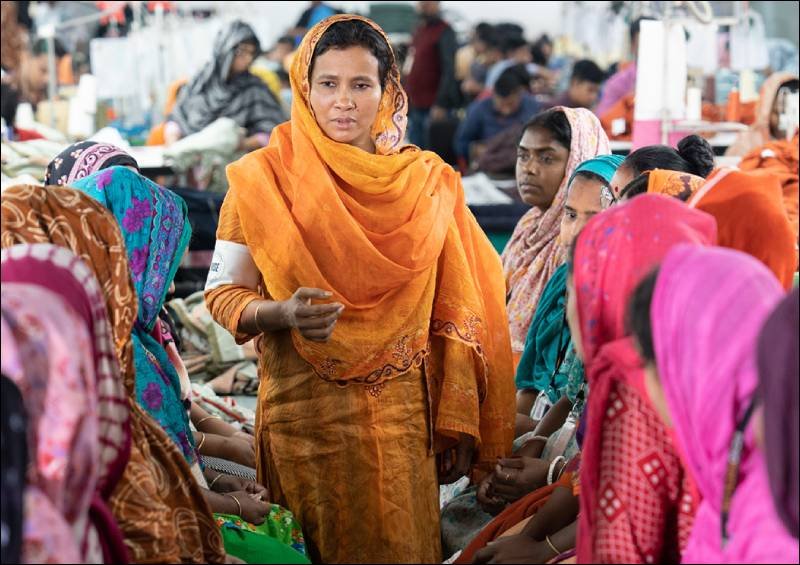
A major achievement during the year was the expansion of the Reimagining Industry to Support Equality (RISE) programme across all of Gap Inc.’s strategic Tier 1 supplier facilities. The initiative focuses on strengthening women’s leadership, workplace participation and economic empowerment while promoting gender equality both at work and within communities.
Gap Inc. reported that 100 per cent of its strategic Tier 1 factories now invest in the RISE programme, with each facility training more than half of its women workforce. Since launching its gender equity initiatives in 2007, the company has reached more than 1.8 million people across its global value chain.

The report highlighted examples of workers who have advanced into leadership positions after participating in the programme, including employees in India and Guatemala. Gap Inc. noted that RISE also encourages male participation in promoting workplace equality and shared responsibilities at home, helping create more inclusive working environments.
Beyond gender equity, the company continued to strengthen its human rights framework across supplier facilities. In 2025, Gap Inc. updated its Code of Vendor Conduct to align with evolving international labour standards, emerging regulations and industry best practices.
The revised code incorporates stronger accountability measures related to the prevention of gender-based violence and harassment (GBVH), which will become mandatory for suppliers from 2026 onward.
The company also expanded efforts to improve workplace safety across sourcing destinations. Gap Inc. reported that all of its Tier 1 suppliers in Pakistan have now been onboarded and inspected under the Pakistan Accord, an industry initiative aimed at improving factory health and safety standards.
The programme builds on the company’s longstanding involvement in worker safety initiatives in Bangladesh and participation in the Life and Building Safety (LABS) programme across Cambodia, India, Indonesia and Vietnam.
India continued to play an important role in Gap Inc.’s social impact strategy. The company highlighted the successful completion of the three-year Dindigul Agreement in Tamil Nadu, a collaborative initiative involving brands, suppliers and labour organisations to address gender-based violence and harassment in garment factories.
An independent assessment by Cornell University’s Global Labor Institute found that the programme improved workers’ awareness of their rights, increased confidence in grievance mechanisms and strengthened the resolution of workplace complaints.
Building on these outcomes, Gap Inc. has partnered with Reimagining Industry to Support Equality (RISE) to develop broader industry approaches for promoting gender equality and safer workplaces.
The retailer is also participating in the Harvesting the Future – Cotton in India project, a multi-stakeholder initiative led by the Fair Labor Association (FLA). The programme aims to improve working and living conditions for cotton farmers, harvesters and their families in Madhya Pradesh. During 2025, the initiative expanded partnerships with local authorities and conducted training on occupational safety, wages, child protection, grievance mechanisms and responsible recruitment practices.
According to Gap Inc., its human rights strategy focuses on addressing key risks across global supply chains, including child labour, forced labour, discrimination, workplace harassment, occupational health and safety, freedom of association, wages, working hours and responsible recruitment.
The company stated that continuous stakeholder engagement, supplier assessments, worker surveys and due diligence processes remain central to its efforts to build safer, more equitable and resilient supply chains.
As global brands face increasing scrutiny over supply chain transparency and environmental, social and governance (ESG) performance, Gap Inc.’s latest initiatives reflect a growing industry focus on worker well-being, gender equity and responsible sourcing as critical pillars of sustainable apparel manufacturing.