Rising Heat Adds Pressure On Surat’s Textile Industry
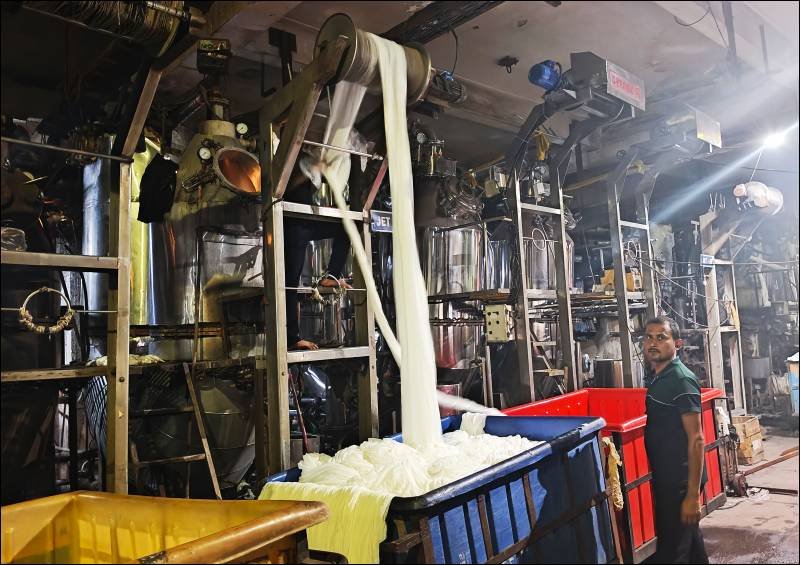
Surat’s textile industry, one of the largest synthetic fabric manufacturing hubs in the world, is facing growing challenges as rising temperatures, high humidity and economic uncertainties place increasing pressure on workers and manufacturers alike.
Across the city’s textile processing units, employees continue to work in demanding conditions where fabric dyeing, printing, drying and finishing operations generate substantial heat and steam. The combination of industrial processes, elevated outdoor temperatures and high humidity levels often creates uncomfortable and physically demanding working environments inside factories.
Although many units have installed ventilation systems, exhaust fans and evaporative cooling equipment to improve workplace conditions, the effectiveness of these measures is frequently limited by the intense heat generated by machinery operating around the clock. Workers engaged in textile processing often spend long hours near equipment that emits significant amounts of heat, making temperature management a persistent concern.

Climate experts warn that rising temperatures linked to climate change are increasing heat-related risks for industrial workers across India. In textile processing facilities, where steam and hot water are commonly used, indoor temperatures can sometimes exceed outdoor conditions. Prolonged exposure to heat and humidity can contribute to dehydration, fatigue, reduced productivity and other health concerns, particularly during extended work shifts.
India remains among the countries most vulnerable to climate-related extreme weather events, including heatwaves. Studies indicate that a significant portion of the country’s workforce is exposed to heat-related risks, affecting sectors ranging from construction and agriculture to manufacturing. Labour organisations and worker advocacy groups have increasingly called for stronger implementation of workplace safety measures and improved heat management strategies, especially for informal workers who form a large share of the workforce.
The challenges facing Surat’s textile sector have been compounded by broader economic and geopolitical factors. Rising raw material costs, supply chain disruptions and fluctuations in global demand have added financial pressure on manufacturers. Industry stakeholders report that uncertainties in international trade and increases in energy costs have reduced the ability of some businesses to invest in advanced cooling technologies and workplace infrastructure upgrades.
The textile industry is a major contributor to Surat’s economy, employing more than a million workers and producing millions of metres of synthetic fabric each day. However, industry representatives indicate that labour shortages have become more noticeable in recent years, with extreme heat emerging as one of the factors affecting workforce availability and retention.
Experts suggest that improvements such as enhanced ventilation systems, better insulation of heat-generating machinery, installation of turbo ventilators and expanded use of industrial cooling solutions can help create safer and more comfortable working environments. They also emphasise the need for heat action plans that specifically address industrial zones, where workers face unique exposure risks.
As temperatures continue to rise and climate-related challenges intensify, balancing worker welfare, industrial productivity and economic sustainability is expected to remain a critical issue for Surat’s textile sector in the years ahead.