India Gains Ground As China Loses Apparel Share
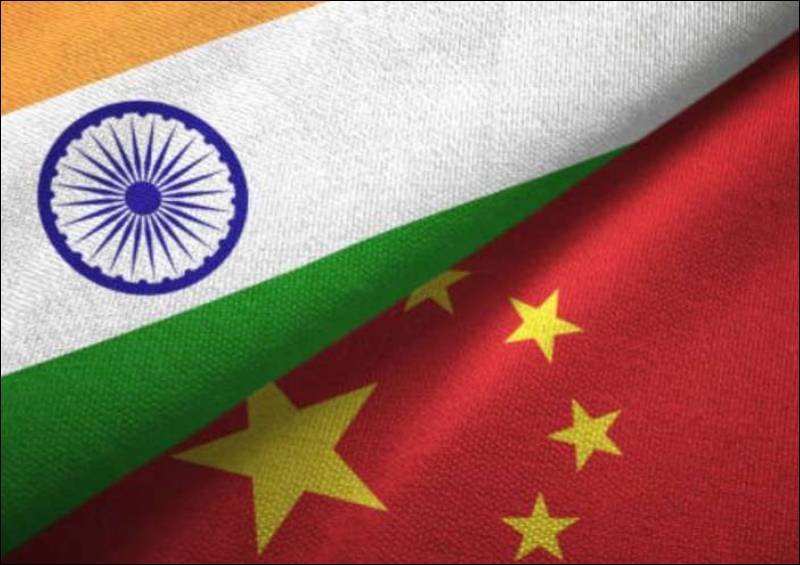
India’s textile and apparel export sector is expected to benefit from shifting global sourcing patterns as China’s dominance in apparel exports continues to weaken, according to a report by Motilal Oswal.
The report highlights growing optimism among global apparel brands and retailers, driven by stabilising inventory levels, improved sales trends, and a gradual recovery in discretionary consumer spending across key markets such as the United States and Europe. These factors are translating into better sourcing visibility, stronger order pipelines, and improved capacity utilisation for textile manufacturers.
A major catalyst for India’s export growth is the recently concluded India–UK Free Trade Agreement (FTA), which is expected to significantly enhance the competitiveness of Indian textile and apparel products in the British market. The UK imports nearly US$ 20 billion worth of apparel annually, but India’s share remains limited at around 6% due to import duties ranging from 8% to 12%, placing it at a disadvantage compared to countries such as Bangladesh, Turkey, and Cambodia that enjoy preferential market access.

With the proposed elimination of import duties under the FTA, Indian exporters are expected to gain a more level playing field, improving their ability to compete with established sourcing destinations. The agreement is also likely to support higher export volumes as international brands continue diversifying supply chains beyond China.
The report notes that China’s share of global apparel exports has declined from 37% in 2014 to 29% in 2024, creating significant opportunities for alternative sourcing hubs. India is increasingly emerging as a strong contender, supported by favourable trade agreements, expanding manufacturing capacities, and government initiatives such as the Production Linked Incentive (PLI) Scheme and the development of PM MITRA mega textile parks.
The ongoing China+1 sourcing strategy adopted by global brands, coupled with rising labour costs in China, is expected to further accelerate sourcing diversification. Drawing parallels with Vietnam’s export growth following its trade agreements, the report suggests that India could witness a similar trajectory in the coming years.
China’s share in US apparel imports has also fallen sharply, dropping from 37% in 2019 to 22% in 2023. While Bangladesh and Vietnam continue to benefit from cost advantages and favourable trade arrangements, India is steadily strengthening its position through policy support, infrastructure improvements, and increased investment across the textile value chain.
According to Motilal Oswal, these developments place India in a favourable position to capture a larger share of global textile and apparel trade over the medium term.