Govt Extends Anti-Dumping Duty On Chinese PET Resin Till 2031
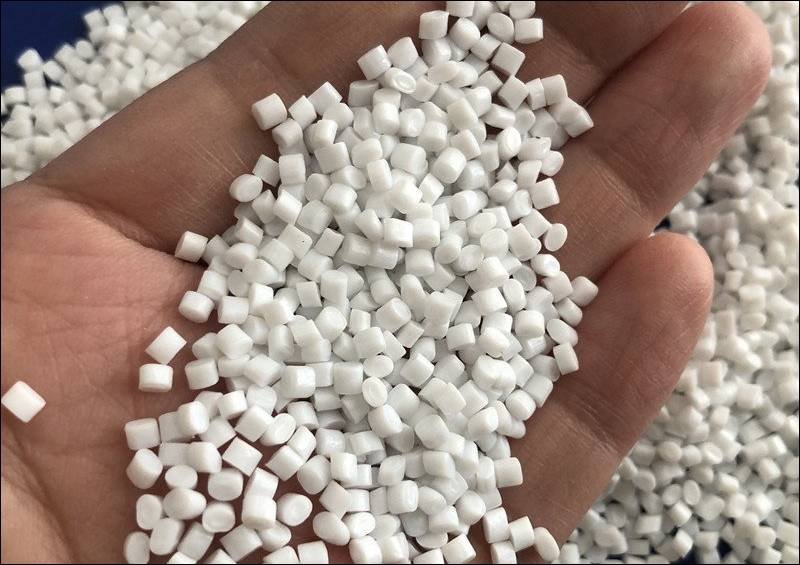
The Government of India has extended the anti-dumping duty on imports of Polyethylene Terephthalate (PET) Resin from China for another five years, aiming to safeguard domestic manufacturers from unfairly priced imports.
The decision follows a sunset review conducted by the Directorate General of Trade Remedies (DGTR), which concluded that the withdrawal of the duty could result in continued dumping of Chinese PET resin and renewed injury to the domestic industry. The extension has been notified by the Ministry of Finance through an official notification.
Under the notification, imports of PET resin with an intrinsic viscosity of 0.72 decilitres per gram or higher originating in or exported from China will attract an anti-dumping duty of US$ 200.66 per metric tonne. The measure will remain in force for five years unless amended or revoked earlier.

PET resin is widely used across industries for manufacturing beverage and water bottles, food and pharmaceutical packaging, polyester fibres, and various industrial packaging applications. However, recycled PET resin has been specifically excluded from the scope of the duty.
According to the DGTR’s findings, Chinese exporters continued to maintain significant dumping margins and undercut domestic prices despite the existing duty. The review also noted that imports remained substantial and that removal of the measure could adversely affect Indian producers.
The continuation of the duty is expected to provide pricing stability and support capacity utilisation for domestic PET resin manufacturers. At the same time, importers and downstream industries such as packaging, beverages, and textiles may face higher procurement costs and could increasingly explore alternative sourcing options or domestic suppliers.
The duty applies to imports classified under tariff headings 3907 61 10, 3907 61 90, 3907 69 30, and 3907 69 90. It will also cover Chinese-origin material routed through third countries, preventing circumvention of the trade remedy measure.