
India’s Textile Recovery Gains Momentum, Cotton Costs Emerge As Key Monitorable
India’s textile industry is showing clear signs of recovery, supported by stronger yarn demand, improved spinning margins, higher capacity utilisation and a better demand-supply balance. However, the durability of the recovery will depend largely on whether textile companies can pass rising cotton costs through to yarn prices, according to a report by 360 ONE Capital.
The report said the operating environment for the textile sector has improved significantly, although the pace and sustainability of the recovery vary across different segments of the value chain.
Spinning Sector Sees Stronger Operating Conditions
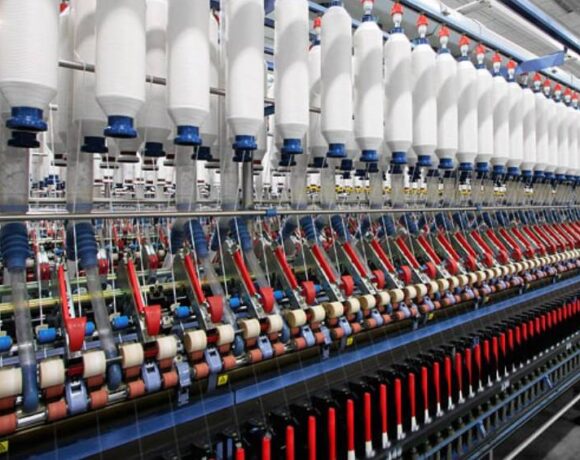
Cotton spinning recorded one of its strongest quarters in the past two to two-and-a-half years, aided by healthy demand, high utilisation levels and a significant improvement in yarn spreads.

India’s earlier disadvantage in cotton prices compared with international markets has also narrowed. At the same time, capacity closures and limited new additions have helped improve the demand-supply balance in the spinning industry.
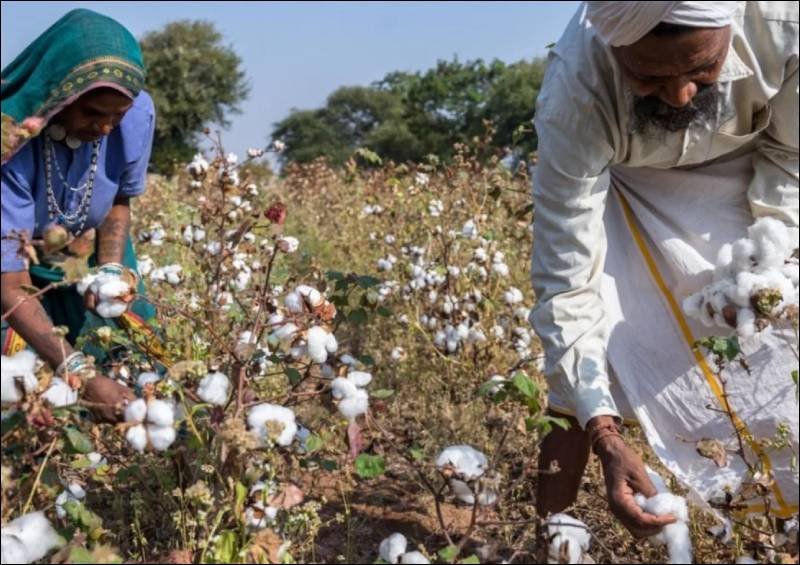
However, the sharp rise in cotton prices during the second quarter has emerged as a key concern. Higher raw-material costs could put pressure on spinning margins if yarn realisations fail to increase proportionately.
The ability of spinners to pass on higher cotton costs to customers is therefore expected to remain a key monitorable for the sector.
China Emerges as an Important Demand Driver
The outlook for Indian yarn has also strengthened with increased demand from China. Higher domestic cotton prices in China have improved the economics of importing Indian yarn, creating an additional source of demand for Indian spinners.
According to the report, India’s monthly yarn exports increased from approximately 95–97 million kg to around 110 million kg, with China accounting for a significant part of the increase. The report expects this demand to remain supportive in the near term.
Downstream Segments Show Signs of Recovery
The improvement is not limited to spinning. Downstream textile segments are also witnessing better operating conditions.
Garment manufacturers are reporting healthy order visibility, while home textile companies are benefiting from stronger demand from the US market, improved capacity utilisation and a more favourable product mix.
For the wider textile industry, better availability of domestic raw materials and greater flexibility in sourcing are expected to create a more supportive environment for industry spreads.
Export Performance Remains Positive
India’s textile and apparel exports, including handicrafts, stood at Rs 3,25,339 crore in 2025-26, registering a 1.8% increase over Rs 3,19,573.2 crore recorded in 2024-25, according to official data.
Despite fluctuations in global demand, changes in input costs and trade-related challenges, India recorded growth in textile and apparel exports to more than 100 destinations during 2025-26 compared with the previous year.
The combination of improving demand, stronger yarn exports, better utilisation and greater sourcing flexibility provides a positive backdrop for the sector. Nevertheless, sustained recovery will depend on the industry’s ability to manage higher cotton prices while maintaining demand and protecting margins.
Demand sustainability and effective pass-through of higher cotton costs are expected to remain the critical factors determining whether the current improvement translates into a durable recovery.