
Global Knitwear Trade Nears US$ 290 Billion As Industry Expands Its Share

The global apparel trade is witnessing a structural shift towards knitwear, driven by changing consumer preferences and rising demand for casual, stretch and performance-oriented clothing.
Global knitwear exports increased from US$ 145.2 billion in 2006 to US$ 289.1 billion in 2025, more than doubling over the period. As a result, knitwear’s share of global textile exports rose from 25.9% to 31.6%.
Knitwear also surpassed woven garments in export value in 2020, marking a significant shift in the composition of global apparel trade. By 2025, knitted and woven garments together generated US$ 546.8 billion in exports, accounting for nearly 60% of the approximately US$ 914 billion global textile export market.

The growing use of synthetic fibres has been a major contributor to the expansion of knitwear. Synthetic knitwear exports surged 179% over the past two decades, rising from US$ 35.6 billion in 2006 to US$ 99.2 billion in 2025. Cotton knitwear exports also increased, reaching US$ 128.3 billion, although cotton’s share of the overall knitwear market declined.
The shift reflects growing consumer demand for athleisure, sportswear, stretch garments and other performance-oriented apparel. These changing preferences are also reshaping global manufacturing and sourcing patterns.
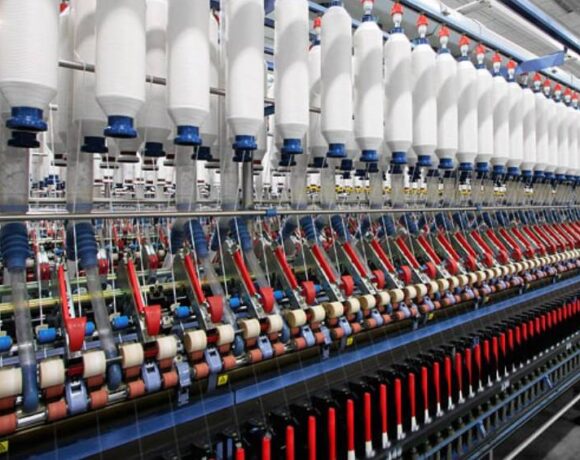
Advances in knitting technology and automated production have enabled manufacturers to respond more quickly to changing market requirements. Bangladesh and Vietnam have emerged as major beneficiaries of the growing knitwear trade, supported by their expanding knitting and apparel manufacturing capabilities. Along with China, the three countries now account for nearly half of global textile exports.
While knitwear remains a key growth engine for the global apparel trade, the sector is increasingly facing regulatory and sustainability challenges. Growing concerns over synthetic fibre waste, recycling and environmental impact are expected to influence the future direction of the industry.