
Bangladesh Loosens Import Regime, Gives Exporters Greater Procurement Flexibility
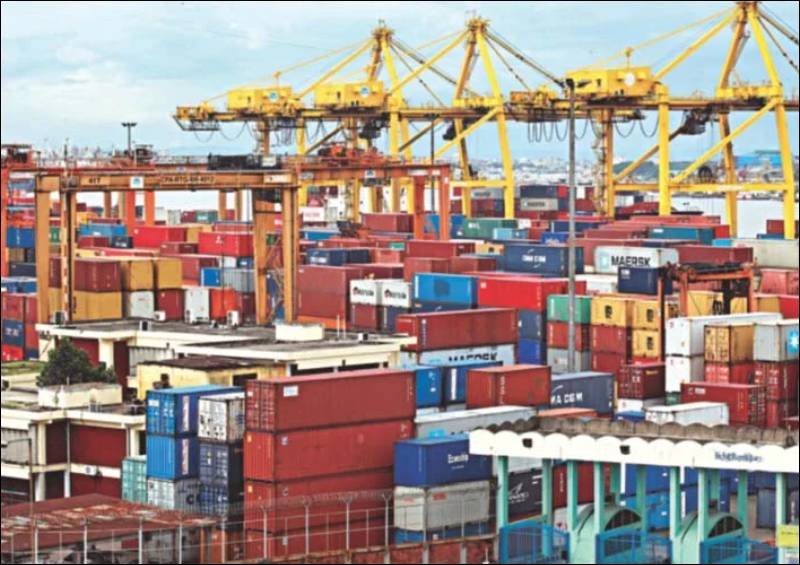
New policy removes value ceiling on non-LC imports, expands bonded facilities and FTZ provisions, while raising value-addition norms for garments
Bangladesh has introduced a more flexible import regime that could ease overseas procurement for manufacturers and strengthen the country’s export-oriented supply chain.
The Import Policy Order 2026–2029, issued by the Ministry of Commerce through a gazette notification on August 24, allows industrial and commercial importers to bring in goods through sales or purchase contracts without a prescribed value ceiling, alongside traditional Letters of Credit (LCs).

The new order replaces the 2021–2024 import policy, which expired in June 2024 but continued to operate provisionally. The revised framework is aimed at simplifying import procedures, improving access to industrial raw materials, supporting exports and creating a more investment-friendly trade environment.
Non-LC Import Ceiling Removed
The removal of the value ceiling for contract-based imports is among the most significant changes.
Under the previous regime, commercial importers could import goods without opening LCs, against payment from Bangladesh, up to $500,000 annually, subject to specified conditions and product-wise limits.
The new framework removes this ceiling, allowing businesses to make higher-value purchases directly from overseas suppliers through sales or purchase contracts and other permitted payment mechanisms.
The move could reduce procedural and banking constraints for manufacturers and provide greater flexibility in international sourcing. However, the wider use of non-LC transactions also places greater importance on monitoring import valuations, foreign-exchange flows and potential over- or under-invoicing.
Boost For Export-Oriented Industries
The policy gives greater clarity to the development of Free Trade Zones (FTZs) and Central Bonded Warehouses, as Bangladesh seeks to strengthen its position as a regional manufacturing, logistics and re-export hub.
Goods entering FTZs may be imported through LCs, sales contracts, telegraphic transfers, free-of-cost arrangements or other payment mechanisms approved by Bangladesh Bank, without an import-value ceiling.
Central bonded warehouses are expected to improve the availability and management of raw materials for export-oriented industries.
Existing bonded warehouse and back-to-back LC facilities will continue for 100% export-oriented sectors, including readymade garments, specialised textiles, hosiery, leather and leather products, shipbuilding and furniture.
The policy also expands provisions allowing export-oriented manufacturers to import raw materials and production inputs on a free-of-cost basis, potentially supporting product diversification and higher-value exports.
Higher Value Addition For Garments
For Bangladesh’s apparel industry, the new policy retains minimum net value-addition requirements but revises the thresholds for several garment categories.
For woven and knit garments priced up to $60 per dozen, the minimum value addition has been raised to 30% from 20% under the previous policy. Garments priced above $60 per dozen will require 10% value addition, while children’s wear will require 15%.
Several other export-oriented categories, including footwear, leather goods, furniture and aluminium foil, will be subject to a 20% minimum value-addition requirement.
The revised provisions could encourage manufacturers to increase domestic processing and value creation as Bangladesh seeks to move towards higher-value export products.
Stricter Conditions For Bonded Fabric Imports
The policy also lays down specific requirements for imported fabrics used under bonded facilities.
Except for grey or greige fabric, imported fabric must arrive in continuous rolls of at least 18.29 metres to qualify for duty-free bonded import. Cut pieces and scrap fabric will not be eligible.
The provision is expected to bring greater discipline to bonded imports while tightening controls over the use of duty-free materials within export-oriented manufacturing.
Greater Facilities For NRB Investors
The new order formally defines Non-Resident Bangladeshis (NRBs) and provides additional import facilities for approved industrial enterprises owned by them.
Such enterprises will have easier access to capital machinery, spare parts and raw materials. International payment mechanisms may also be used, subject to Bangladesh Bank’s foreign-exchange regulations.
The measure is intended to make it easier for Bangladeshis living and working overseas to invest in domestic manufacturing and industrial activity.
Trade Agreements Incorporated
The revised policy also aligns import procedures with Bangladesh’s expanding network of international trade arrangements.
It provides for coordination with Free Trade Agreements (FTAs), Comprehensive Economic Partnership Agreements (CEPAs), Economic Partnership Agreements (EPAs) and other regional, bilateral and unilateral trade arrangements.
Importers seeking preferential tariff treatment will need to provide certificates of origin and other documentation prescribed under the relevant agreement.
The framework also incorporates the Invest Bangladesh Act 2026, bringing the Bangladesh Investment Development Authority, Bangladesh Economic Zones Authority and Public-Private Partnership Authority under a unified investment structure.
Restrictions Remain
Despite the broader liberalisation, the government has retained restrictions on several categories of imports, including certain substandard and reconditioned products, specified hazardous chemicals and materials regulated under international environmental conventions.
Imports from Israel, as well as goods carried by Israeli-flagged vessels, also remain prohibited.
A More Flexible Trade Framework
The Import Policy Order 2026–2029 marks a clear shift in Bangladesh’s approach to import management, moving away from a predominantly LC-driven system towards greater use of contract-based procurement and alternative payment mechanisms.
For the textile and apparel industry, the combination of easier access to imported raw materials, continued bonded facilities, expanded FTZ infrastructure and greater flexibility in international payments could support supply-chain efficiency.
At the same time, the higher value-addition requirements and tighter bonded-fabric provisions indicate that liberalisation will be accompanied by greater emphasis on domestic value creation, compliance and regulatory oversight.
The new framework therefore seeks to balance easier trade and investment with tighter controls, as Bangladesh positions its manufacturing and export sectors for the next phase of global trade integration.