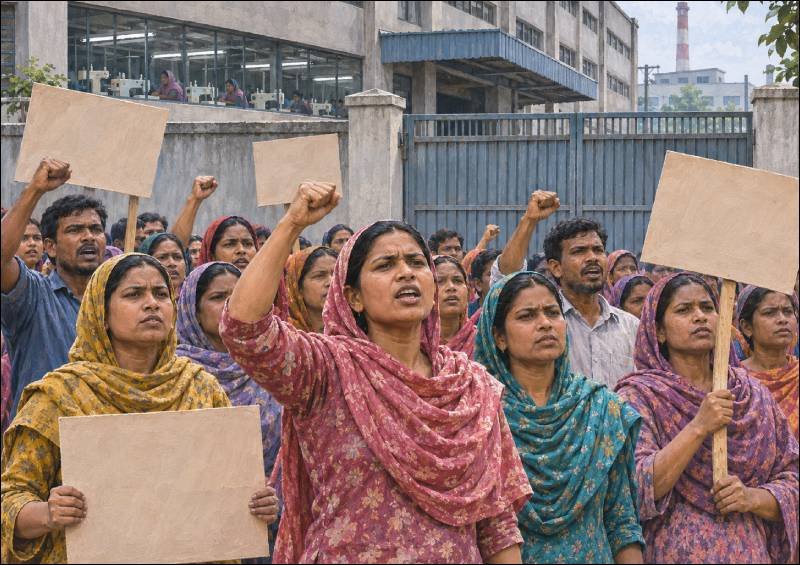
Worker protests over wages have disrupted garment production in Bangladesh, raising concerns over delivery schedules and potentially encouraging international buyers to explore additional sourcing options, including India. Manufacturing hubs such as Gazipur and Ashulia have faced factory
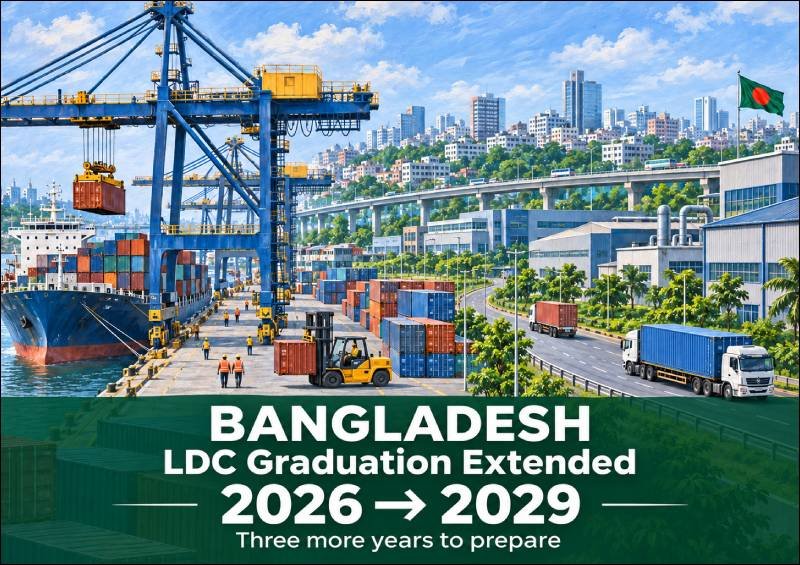
Bangladesh has submitted a three-year reform roadmap to its development partners to strengthen banking, revenue collection and the business environment after securing an extension of its graduation from the United Nations’ least developed country (LDC) category. The revised graduation date of November 24, 2029, gives Bangladesh three additional years to prepare for the
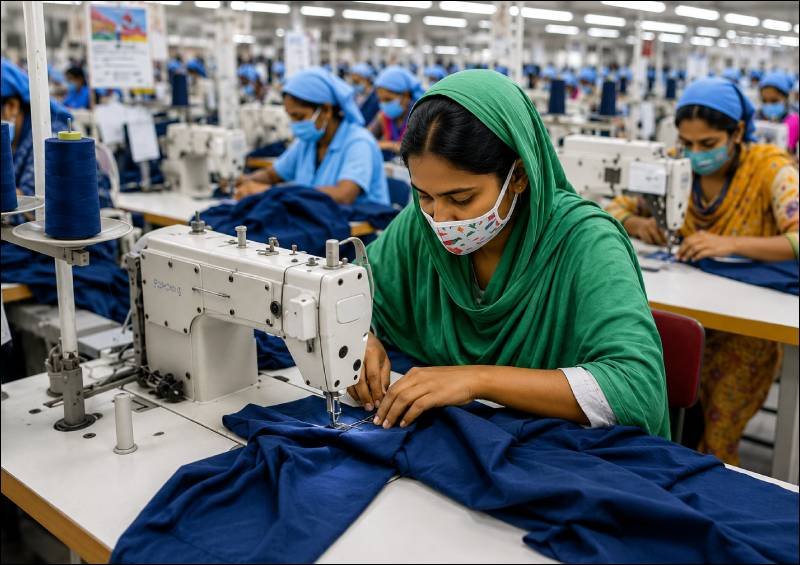
Garment production in Bangladesh faced disruption as workers demanding higher minimum wages staged protests across major industrial hubs, prompting factory closures and clashes with police. Police fired tear gas and used stun grenades to disperse protesters on Wednesday, according to police and witnesses. Hundreds of factories reportedly remained closed following several
New policy removes value ceiling on non-LC imports, expands bonded facilities and FTZ provisions, while raising value-addition norms for garments Bangladesh has introduced a more flexible import regime that could ease overseas procurement for manufacturers and strengthen the country’s export-oriented supply chain. The Import Policy Order 2026–2029, issued by the Ministry
The Bangladesh Garment Manufacturers and Exporters Association (BGMEA) and the Society of Dyers and Colourists (SDC) have signed a Memorandum of Understanding (MoU) to strengthen collaboration in sustainability, education and innovation across Bangladesh’s textile and apparel industry. The partnership aims to enhance industry capabilities through knowledge and skill
The Bangladesh Garment Manufacturers and Exporters Association (BGMEA) and the Society of Dyers and Colourists (SDC) have signed a Memorandum of Understanding (MoU) aimed at strengthening collaboration in education, sustainability and innovation across Bangladesh’s textile and apparel sector. The partnership seeks to enhance industry capabilities by promoting knowledge and
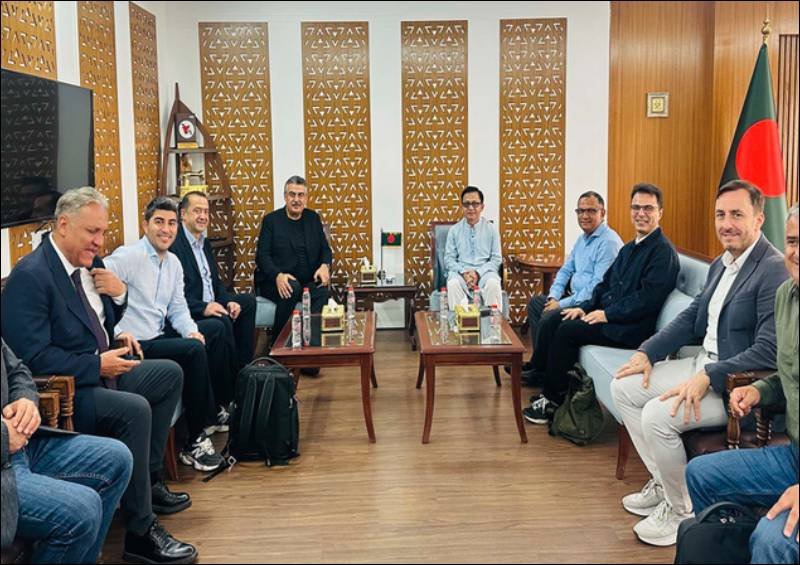
Turkish textile major Sanko Group has announced plans to invest US$ 300 million in a modern integrated textile manufacturing facility at the Mirsarai Industrial Zone in Bangladesh, marking one of the latest major foreign direct investments in the country’s textile sector. The investment proposal was discussed during a meeting between Sanko representatives and Bangladesh’s
Bangladesh’s textile and garment industry is facing mounting challenges, with 151 textile and apparel factories permanently closing between August 2024 and June 2026 amid weak global demand and rising operating costs. Industry data shows that of the 457 factories that ceased operations during the period, 108 were members of the Bangladesh Garment Manufacturers and
Bangladesh’s FY2026-27 Budget has provided short-term policy stability for the country’s ready-made garment (RMG) industry, but industry stakeholders say further reforms will be needed to strengthen long-term competitiveness as the sector prepares for eventual graduation from Least Developed Country (LDC) status. The BDT 9.38 lakh crore budget retains the 12%
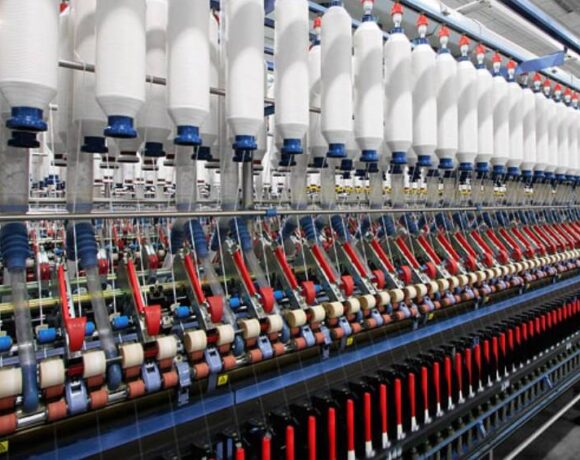
Bangladesh’s textile industry has sought urgent fiscal relief ahead of the national budget, with the Bangladesh Textile Mills Association (BTMA) proposing a cut in income tax for primary textile mills from 27.5% to 10% until 2030. The association said rising energy costs, supply disruptions, high interest rates and import competition have severely impacted the sector, […]