
M&S, New Look, Sainsbury’s And Oxfam Launch UK Textile Circularity Initiative
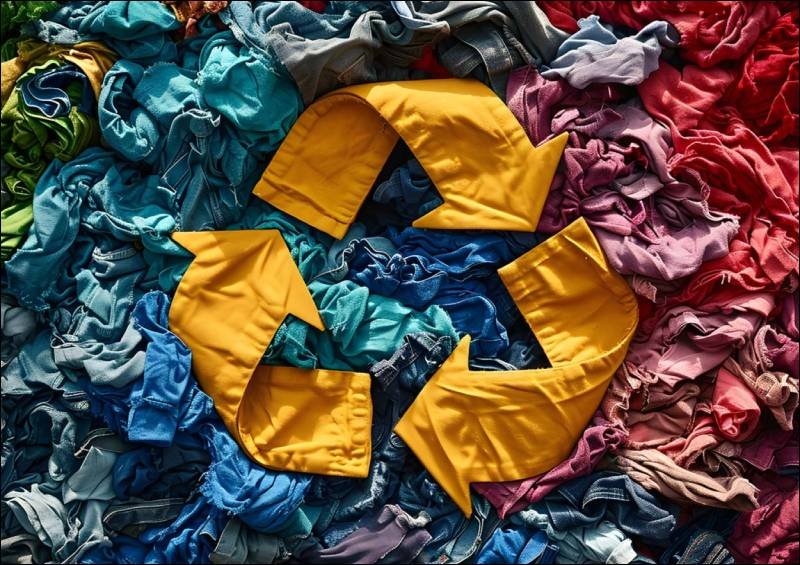
New Look, Marks & Spencer (M&S), Sainsbury’s, Oxfam and Circle-8 have joined forces to launch The Circuit, a collaborative initiative aimed at developing circular textile value chains for post-consumer clothing generated in the UK.
The initiative brings together fashion retailers, textile recovery organisations, automated sorting companies, recyclers, digital technology providers and manufacturers to develop pathways for converting end-of-use textiles into raw materials for future textile production.
The first phase will focus on testing technologies, developing operational frameworks and identifying the commercial models required to make fibre-to-fibre recycling viable at industrial scale.

Around 1.4 million tonnes of post-consumer textiles were generated in the UK in 2024, according to the initiative. Nearly half is estimated to comprise textiles that are no longer suitable for reuse, highlighting the need for infrastructure capable of recovering their material value.
The Circuit aims to address this gap by developing systems through which non-reusable textiles can be recovered, sorted and pre-processed into feedstock for mechanical and chemical fibre-to-fibre recycling.
The initiative will focus on improving the consistency and scale of recovered textile feedstock while developing multiple routes to market for recycled materials. It is also expected to support regional and global textile manufacturing supply chains and create opportunities for jobs and related manufacturing activities.
Circle-8, the development company behind The Circuit, is working on the infrastructure, partnerships and commercial frameworks needed to connect post-consumer textile recovery with textile recyclers. This includes the development of Automated Textile Sorting and Pre-processing facilities to produce feedstock for existing and emerging recycling technologies.
The first phase of The Circuit is scheduled to begin in January 2027 at Oxfam’s site in Batley, Yorkshire. The programme will focus on automated textile sorting, traceability and reporting, identifying opportunities for recovered materials and developing relationships with recyclers.
Oxfam will separate reusable and non-reusable textiles and operate the automated sorting equipment, building on its experience in textile recovery, reuse and resale.
Lynda Petherick, Chief Executive Officer, New Look, said collaboration across the textile value chain would be essential to building a more circular fashion industry. “The Circuit gives retailers an opportunity to play an active role in developing the systems that could turn non-reusable textiles already in circulation into the raw materials of the future,” she said.
Katharine Beacham, Head of Sustainability & Materials in Fashion, Home & Beauty, M&S, said better solutions were needed for textiles that had reached the end of their usable life. She said The Circuit would help develop viable routes for non-reusable textiles and support a more circular fashion industry.
Ben Smith, Managing Director, Sainsbury’s Tu Clothing, said the initiative would allow industry participants to test practical solutions and explore how UK-generated post-consumer textiles could be converted into valuable raw materials.
Rachel Cosgrove-Pearce, Retail Director, Oxfam, said developing infrastructure to recover valuable fibres from end-of-use textiles was important to reducing dependence on virgin resources and improving textile circularity.
Cyndi Rhoades, CEO and Co-Founder, Circle-8 Textile Ecosystems, said retailers participating in the development of circular textile value chains would have an opportunity to help shape their future. She added that collaboration across the value chain would be essential to developing the infrastructure and commercial frameworks required for textile circularity.
The Circuit’s initial phase is expected to provide insights into the operational, technological and commercial requirements for scaling textile-to-textile recycling in the UK.