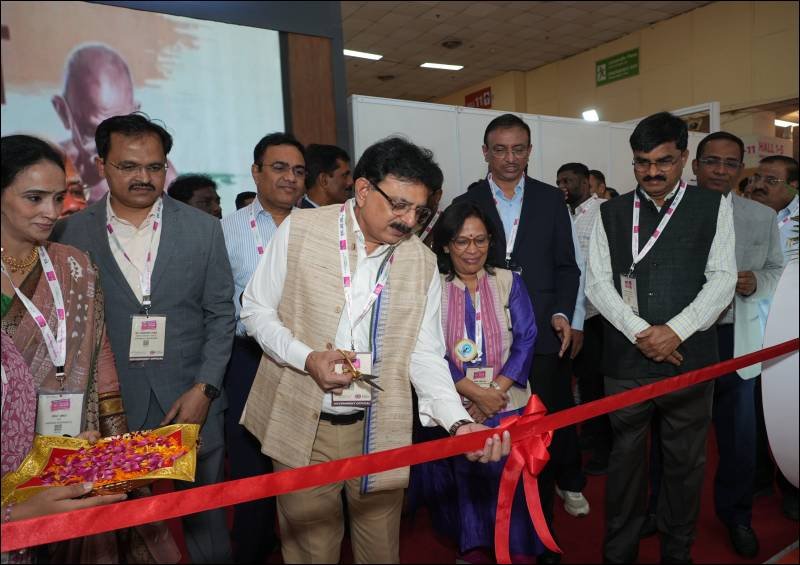
Maharashtra is aiming high. At Bharat Tex 2026, Maharashtra Minister of Textiles Sanjay Savkare made it clear that the state is not looking at technical textiles as a niche opportunity. It sees the sector as a critical pillar of industrial growth, employment generation and the state’s ambition
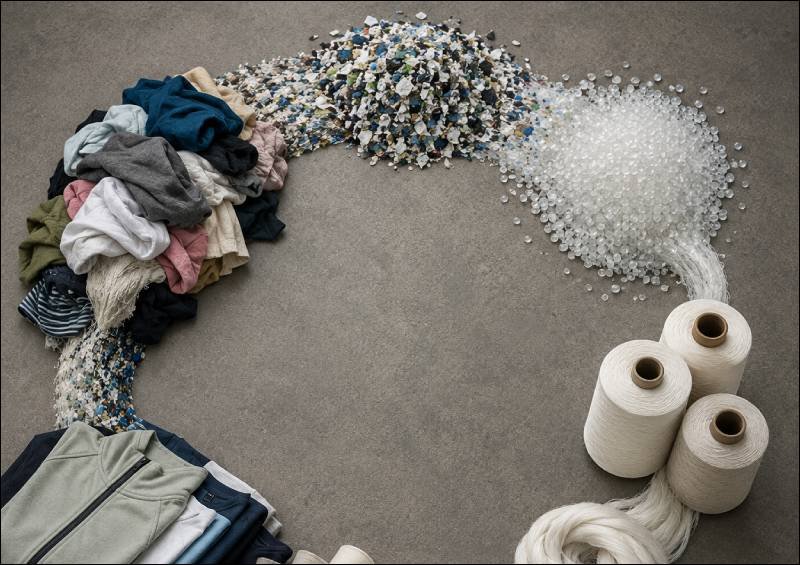
European Commission Study Highlights the Promise and Challenges of Closing the Loop on Textile Waste As the global textile industry races to meet ambitious sustainability targets, chemical recycling is increasingly being viewed as a critical technology for achieving true circularity, particularly for polyester-based textiles. A new report from the European Commission’s
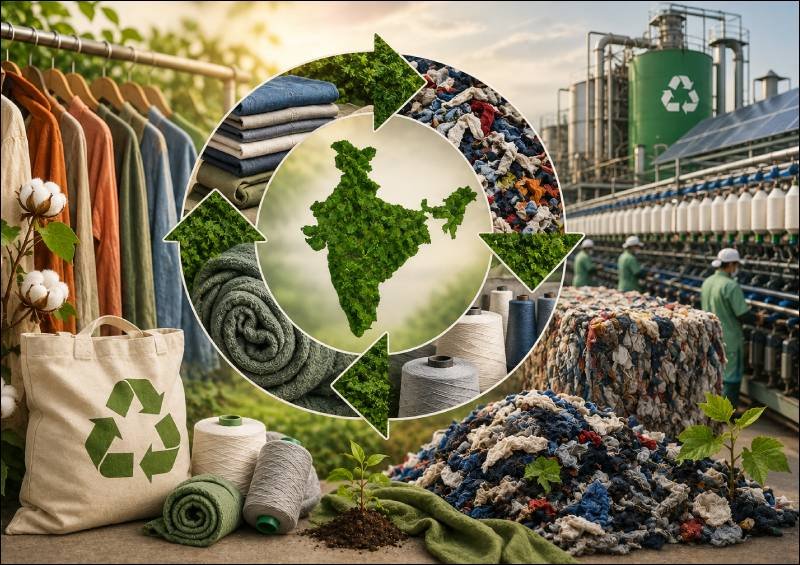
Sustainability is no longer a niche agenda for India’s textile industry. As global markets demand greater transparency, traceability and environmental responsibility, circularity is emerging as a strategic imperative for the sector’s next phase of growth. India’s textile and apparel industry has long been one of the country’s most important economic pillars.
Germany, France and the Netherlands have called for coordinated European action to curb the environmental impact of ultra-fast fashion, urging the European Commission to strengthen existing and upcoming regulations governing the textile sector. The proposal was presented during the EU Environment Council meeting in Luxembourg, where the three member states called for more
With India generating 70.73 lakh tonnes of textile waste annually, the Ministry of Textiles is set to host Weave The Future 4.0 – Upcycling Edition from July 12–17, 2026, at Dilli Haat, New Delhi, to promote circular fashion, sustainable consumption and innovative textile waste solutions. Organised by the Office of the Development Commissioner (Handlooms), Ministry […]
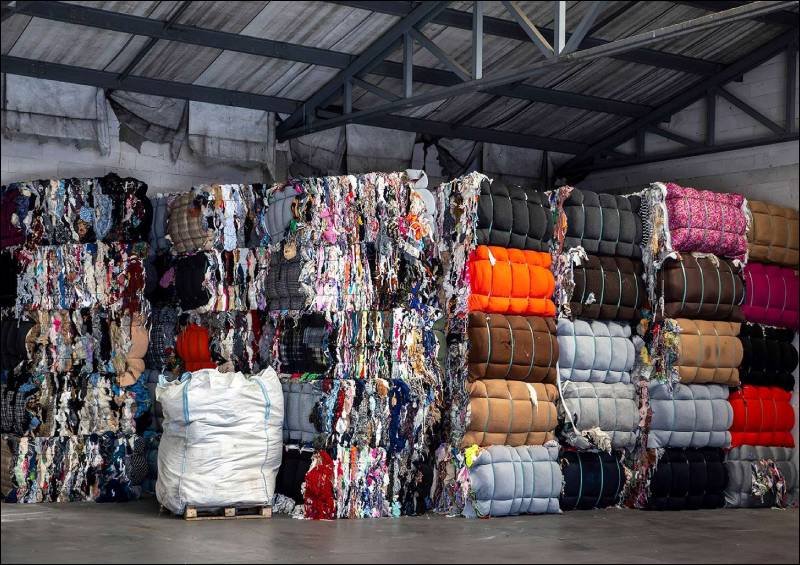
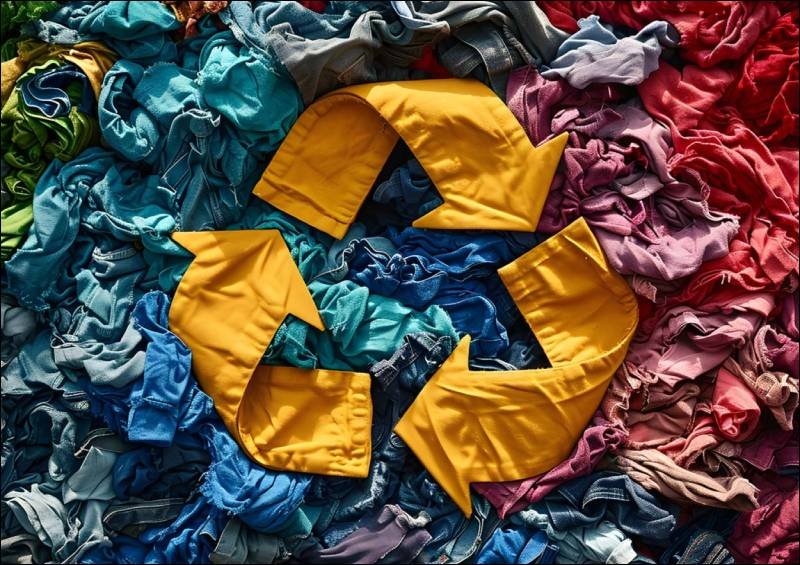
For decades, the textile industry has been a cornerstone of craftsmanship, employment and economic growth. Yet alongside this progress, textile waste has emerged as one of the sector’s most pressing environmental challenges. Globally, an estimated 92 million tonnes of textile waste is generated annually, while less than 1% of used clothing is recycled back into […]
In this incisive and insightful article penned exclusively for Textile Insights, Mansi Bihani writes that the carbon footprint of recycling is not zero, it is simply lower than producing virgin material from scratch, which is a meaningful difference but not the same as being without cost. On World Environment Day, it is worth asking what […]
ReFiber, powered by OterRi, has launched what it calls Mumbai’s first large-scale post-consumer textile waste collection and circular recovery initiative, aiming to divert discarded garments from landfills and bring them back into the value chain. Launched on World Environment Day at the World Trade Centre in Mumbai, the initiative brings together industry and
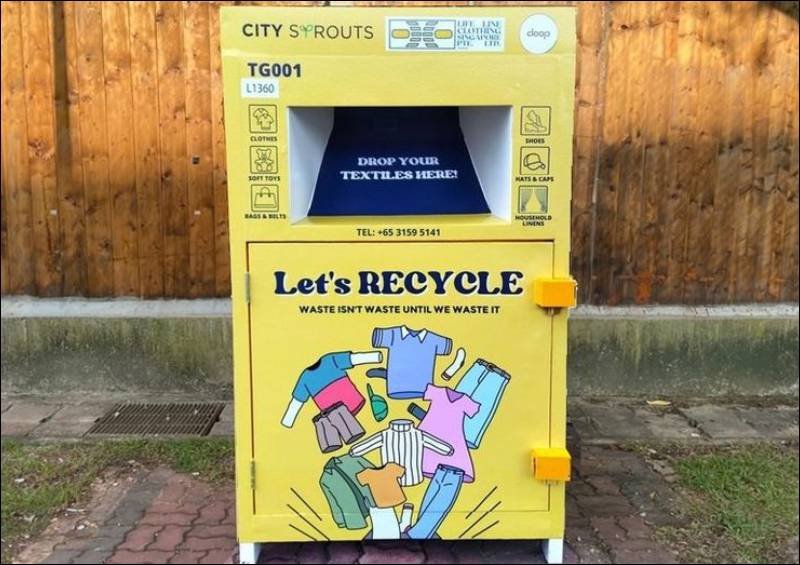
The Delhi government will soon roll out a clothing recycling programme across 10 major Delhi Metro stations, enabling commuters to deposit old and unused garments for recycling and reuse, according to an official release. The initiative, being launched under the direction of Chief Minister Rekha Gupta, will involve the installation of dedicated collection boxes by […]
As the textile industry accelerates its transition toward circularity, one critical bottleneck continues to hold back progress feedstock. Addressing this challenge head-on, Fashion for Good has launched Project FAE (Feedstock Activation Europe), a collaborative initiative aimed at building the sorting and pre-processing infrastructure needed to unlock post-consumer textile