EU Report Highlights 10 Textile Best Practices Driving Circularity And Digitalisation
New report showcases initiatives across Europe covering textile waste, repair, decarbonisation, digital manufacturing and technical textiles
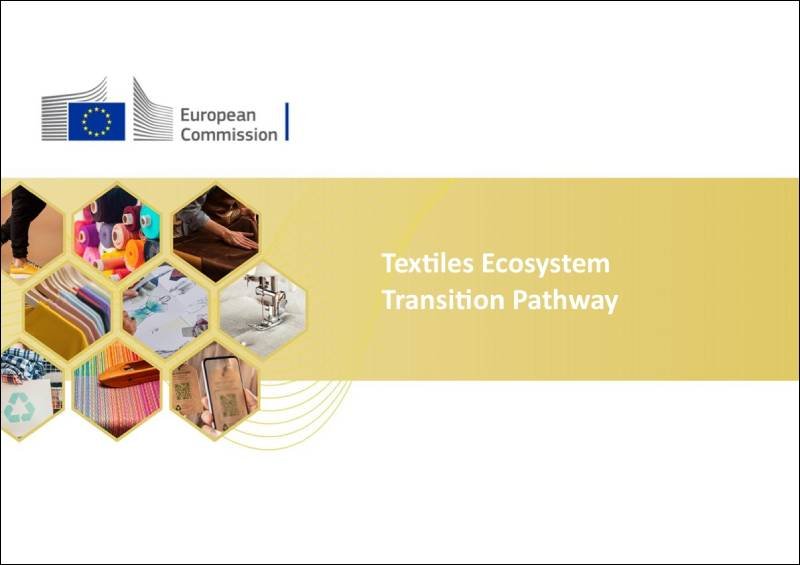
Ten initiatives from across Europe’s textile value chain have been highlighted as best practices for advancing circularity, sustainability and resilience in the latest edition of the EU Textiles Ecosystem Platform report.
The third edition of the report brings together 10 best practices published between February and June 2026, covering areas ranging from raw materials and textile manufacturing to repair, reuse, waste recovery, digital production and technical textiles.

The examples show how textile and leather waste is increasingly being treated as a resource for new products and industries, while digitalisation and collaborative business models are being used to reduce environmental impact and strengthen supply-chain resilience.
The initiatives come from countries including Italy, the Netherlands, Belgium, Bulgaria, Romania, Germany and Denmark, and involve SMEs, large companies, research organisations, non-profit groups and industry associations.
Among the highlighted examples is Italian company Pulvera, which converts textile production waste into fibre-based composite materials for applications including furniture and automotive components. The initiative demonstrates how industrial symbiosis can create new uses and business opportunities from textile waste.
The United Repair Centre in the Netherlands combines large-scale garment repair for brands with an employment and skills-development model aimed at people facing barriers to the labour market. The initiative focuses on extending garment lifetimes while creating social benefits.
The European Outdoor Group’s Carbon Reduction Project demonstrates how competing companies can work collectively to reduce emissions across shared supply chains. The initiative provides suppliers with support to measure emissions, develop reduction plans and implement decarbonisation measures.
Another example highlights the use of textile waste in the furniture and interior-design sectors. Companies including Planq and Kvadrat Really transform discarded textiles into panels, surfaces and furniture components, reducing the need for virgin materials.
In Romania, Humana People to People and Viitor Plus are using consumer education and awareness campaigns to encourage textile reuse, repair and more responsible consumption.
Dutch denim brand MUD Jeans has incorporated circularity into both product design and its business model through recycled cotton, garment take-back, repair, resale and its Lease-a-Jeans programme.
The report also features E. Miroglio’s textile manufacturing operations in Bulgaria, highlighting the use of modern production technologies, certified materials, traceability, resource-efficiency measures, lifecycle assessment and environmental monitoring.
In Italy’s leather sector, companies including SICIT and ILSA recover collagen-rich residues from tanning processes and convert them into bio-based products such as fertilisers and biostimulants. The model demonstrates how industrial waste can become a feedstock for another industry.
Digitalisation is another key theme in the report. Textile microfactory initiatives involving organisations including DITF Denkendorf, Rodinia Generation and OMIMAI connect digital design directly with production and support more local and on-demand manufacturing.
The approach shifts the traditional design-make-sell model towards a design-sell-make model, with the potential to reduce overproduction and shorten supply chains.
The final example, Sioen, highlights the role of technical textiles and European manufacturing in strengthening strategic autonomy. Its vertically integrated production serves sectors including defence, security, maritime applications, energy and infrastructure, while its recent initiatives also focus on circularity and product traceability.
The report said the 10 examples demonstrate that the transition of Europe’s textiles ecosystem is moving from ambition towards practical implementation, with companies and organisations testing new approaches to waste recovery, circular business models, digital production and supply-chain decarbonisation.
The initiatives also highlight the growing importance of collaboration across industries, with textile waste being redirected into new sectors and companies working collectively to address environmental and supply-chain challenges.
The EU Textiles Ecosystem Platform plans to continue identifying and sharing best practices to support knowledge exchange and encourage businesses and other stakeholders to adopt approaches that can accelerate the transition towards a more circular, resilient and sustainable European textile ecosystem.