
Cotton Reforms To Take Centre Stage At Reform Utsav In Hyderabad
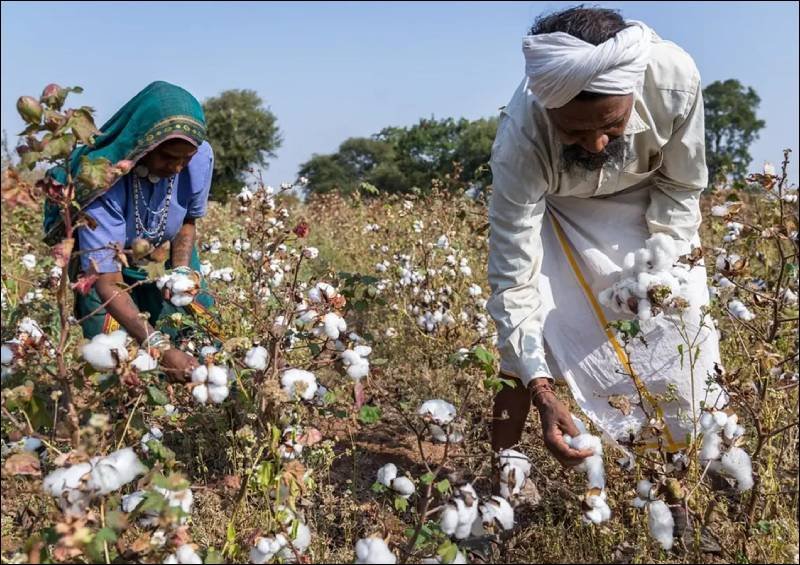
Digital procurement, farmer payments, quality improvement and cotton traceability among key initiatives to be showcased
Technology-driven reforms aimed at making cotton procurement more transparent, farmer-friendly and efficient will take centre stage at a special showcase event being organised by the Ministry of Textiles on October 6 as part of Reform Utsav 2026.
The event, organised through the Cotton Corporation of India (CCI), will bring together farmers, government officials, policymakers, industry associations and other stakeholders to discuss the impact of reforms across India’s cotton value chain.

The showcase will focus on initiatives covering digital cotton procurement, farmer registration, online slot booking, direct payments, quality assessment, traceability, High-Density Planting System (HDPS) and Kasturi Cotton Bharat.
Over the past few years, CCI has introduced a series of technology-enabled measures aimed at reducing procedural complexities and improving transparency in the procurement process.
One of the key initiatives being highlighted is the Kapas Kisan digital platform, which brings several stages of cotton procurement onto a digital system. These include farmer registration, slot booking, procurement-related communication and Aadhaar-enabled payments.
The digital system is aimed at giving farmers greater visibility over the procurement process while reducing paperwork and improving the efficiency of transactions between farmers, CCI, ginners and other stakeholders.
The event will also highlight efforts to improve the quality and traceability of Indian cotton. Initiatives covering contamination control, digital traceability and the promotion of premium-quality cotton under the Kasturi Cotton Bharat programme are expected to feature prominently.
The government has been seeking to strengthen the identity and market positioning of Indian cotton, particularly as quality and traceability become increasingly important in global textile supply chains.
Another focus will be the High-Density Planting System, which is being promoted as a productivity-enhancement measure. The initiative aims to address India’s relatively low cotton productivity and improve farm-level returns and the competitiveness of the domestic cotton sector.
Farmers and industry representatives will share their experiences of the reforms during the event, providing feedback on the implementation of digital procurement, quality improvement and productivity initiatives.
The wider Reform Utsav programme will also showcase reforms undertaken by other organisations under the Ministry of Textiles, including the Central Silk Board (CSB).
Among the silk-sector initiatives is the digitisation of Silk Mark services, which has moved registration, renewal, document processing, pre-inspection, payments, label indenting and grievance redressal to digital platforms.
The system now serves more than 7,000 authorised users, with applications generally processed within one to two working days after fulfilment of prescribed requirements.
The Central Silk Board will also highlight its Mera Resham Mera Abhimaan technology-transfer campaign, which aims to take sericulture technologies from laboratories to farmers through demonstrations, training and field-level interventions.
The first phase reached around 75,000 farmers through more than 1,400 programmes across 129 districts in 26 states and Union territories. The second phase has expanded the programme to 218 key sericulture districts, with more than 1,700 programmes conducted so far.
Another initiative, Seri-Tourism, seeks to combine sericulture with tourism and local economic development by showcasing the complete “soil-to-silk” journey through museums, live demonstrations, host-plant and moth parks, technology displays and product outlets.
The initiatives reflect the government’s broader approach of using digitalisation, technology transfer and institutional reforms to strengthen the textile value chain from farm to fibre and fibre to manufacturing.
For the cotton sector, the immediate focus remains on improving procurement, quality, productivity and traceability while creating a more transparent interface between farmers and the textile industry.
The Hyderabad showcase is expected to provide a platform for stakeholders to assess the impact of these reforms on the ground and identify areas for further collaboration across India’s cotton and textile value chain.