Jute Industry Set For 15% Volume Recovery In FY27: Crisil
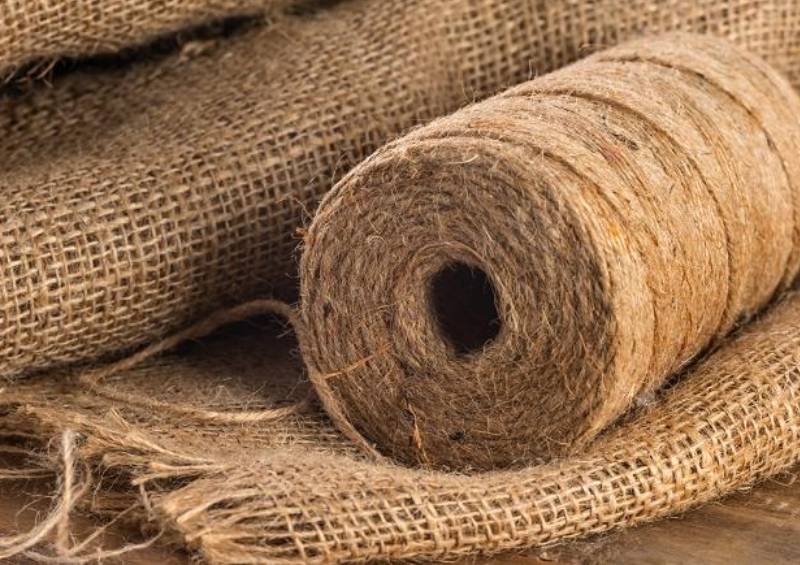
India’s jute industry is expected to see a recovery in FY27, with sales volumes projected to grow by around 15%, according to a report by Crisil Ratings.
The expected recovery follows two challenging years during which weak demand, high raw material costs and pressure on profitability affected the industry. A revival in domestic demand, improving export prospects and moderation in raw jute prices are expected to support volumes and margins in FY27.
Domestic demand is projected to rise by around 20% during the year, reversing a cumulative decline of a similar magnitude over the previous two years.

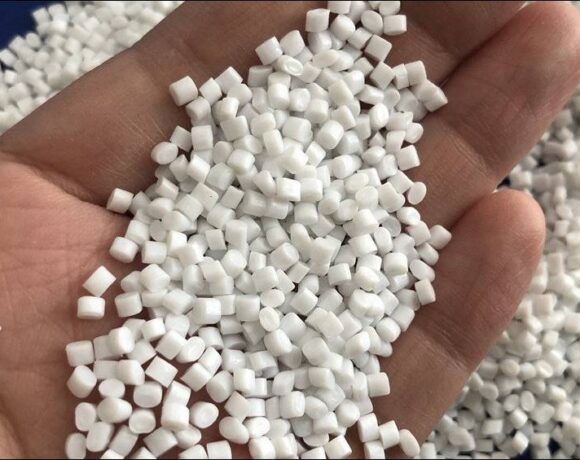
The earlier slowdown followed a sharp increase in raw jute prices, which manufacturers passed on to customers. Higher product prices weakened demand and encouraged some buyers to shift towards lower-cost alternative packaging materials.
With raw jute prices now moderating, lower finished-product prices are expected to support demand recovery. Growth in downstream applications, including home textiles, lifestyle products and other value-added jute products, is also expected to support exports.
Raw jute accounts for around 60–65% of the industry’s operating expenses, making fibre prices a key determinant of profitability.
Improved crop output has increased domestic availability and contributed to softer raw jute prices despite subdued imports. Crisil Ratings expects the industry’s operating margin to improve by 130 basis points to nearly 9% in FY27, supported by lower fibre costs and better capacity utilisation.
The improvement in profitability, coupled with limited debt-funded capital expenditure, is also expected to strengthen manufacturers’ credit profiles and liquidity.
Beyond the near-term recovery, the industry could benefit from growing demand for sustainable materials, tighter regulations on single-use plastics and increasing preference for biodegradable alternatives.
Emerging applications in geotextiles, agro-textiles, home décor and industrial packaging are also creating additional avenues for jute products.
However, the pace of recovery will depend on several factors, including demand in export markets, raw jute price movements, crop-related disruptions and changes in government policy support, Crisil Ratings said.
The expected improvement in FY27 therefore marks a potential recovery from the industry’s recent downturn, while longer-term growth will depend on the expansion of value-added applications and continued demand for sustainable alternatives.