Automation, Digitalization And Sustainability Were The Overarching Themes At ITMA ASIA + CITME 2025: Cornelia Buchwalder
The innovations showcased at ITMA ASIA + CITME 2025 showed a clear vision of the future, one where textile factories operate with higher automation, reduced staffing needs and improved sustainability, averred Cornelia Buchwalder, in this exclusive tete-e-tete with Henry Dsouza, Associate Editor, Textile Insights
How was ITMA ASIA + CITME 2025 for the Swiss Textile Machinery Association? What kind of feedback did you receive from your Swiss members about the show?
For me, as the Secretary General of the Swiss Textile Machinery Association, a show is successful when our members are satisfied and from that perspective, I can certainly say it was a success.
It turned out to be a very good exhibition. Considering the current challenging business climate, which we are all aware of and which stems from various factors, expectations coming into the show were rather modest. Nevertheless, our exhibitors were extremely positive and pleased with the overall outcome.
From the association’s standpoint and as co-owners of the ITMA brand, one of our main objectives in holding the exhibition in Singapore was to attract participants from countries that may find it more difficult to travel to Europe or China. I’m very happy to say that this goal was fully achieved. The diversity of both visiting and exhibiting countries was remarkable, making it a truly international event.
You must have toured all the halls during the exhibition. Which innovations particularly caught your attention or impressed you the most?
Well, I usually prefer not to single out specific companies, as there were many impressive showcases across the halls. But yes, you’re right, as we walked through the exhibition from weaving and spinning to the finishing sections, there were several noteworthy innovations.
What stood out to me most were the overarching themes that connected them all; automation, digitalization and sustainability. Across every segment, these were clearly the driving forces. In finishing, for instance, there’s a continued focus on processes that consume less water and energy, an ongoing but crucial transformation.
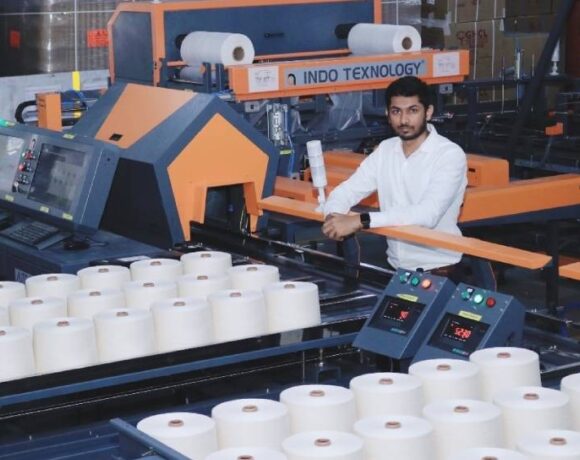
In spinning, one clear trend is addressing the shortage of skilled labour. Manufacturers are developing machines that are easier to operate, more user-friendly and increasingly automated. This allows mills to run with fewer personnel while maintaining consistent quality and efficiency. These innovations show a clear vision of the future, one where textile factories operate with higher automation, reduced staffing needs and improved sustainability.
How is the current market situation for Swiss textile machinery companies?
The market is undoubtedly as challenging for Swiss companies as it is for others around the world. One of the main issues or rather challenges, remains the lack of global demand, which continues to affect the entire textile machinery industry. There is also a general overcapacity of installed machinery worldwide, which adds further pressure.
For Switzerland specifically, two factors make the situation even more demanding. The first is tariffs. Switzerland currently faces a 39 per cent tariff, making it one of the most heavily impacted countries when it comes to exports to the United States. This puts Swiss manufacturers at a competitive disadvantage compared to their peers in other countries who face lower duties.
The second challenge is the strong Swiss franc, which has recently appreciated further against both the euro and the US dollar. While this imitates a robust national economy, it also makes Swiss products more expensive internationally, further compounding the difficulties for exporters in our sector.
How do you view the Indian market for your association members, and what is the outlook from their perspective?
The Indian market is absolutely crucial for our members, there’s no doubt about that. Despite the broader global challenges, India represents a very important and promising market for the Swiss textile machinery industry.
One encouraging development is the free-trade agreement between the European Free Trade Association (EFTA) states (including Switzerland) and India, which officially came into force on October 1, 2025. This agreement will give Swiss companies a clear competitive advantage in the Indian market.
During the exhibition, we also had meetings with official representatives from the Indian government, who expressed strong commitment to upgrading and investing in the country’s textile industry. From our perspective, the outlook for the Indian market is highly positive, it holds tremendous potential for future growth and collaboration.
What new initiatives is the Swiss Textile Machinery Association introducing, and are there any upcoming activities or events that your members can look forward to following ITMA?
At the association, our main focus remains on supporting our members, whether in their innovation journeys, staff training or through promotional activities that strengthen their export efforts. Much of what we do is directed specifically toward helping our members grow and succeed internationally.
One upcoming initiative I’d like to highlight is an event we are organizing in Casablanca, Morocco, in December 2025. Around ten of our member companies will participate in this event, which we are hosting in collaboration with the Moroccan textile industry.
We usually select destinations that are not yet fully established markets, where we see strong potential for building new relationships and expanding networks between Swiss textile machinery manufacturers and local textile producers.
The event will focus primarily on sustainability, showcasing solutions our members offer in this area and will serve as a valuable platform for networking and matchmaking between participants and Swiss companies.