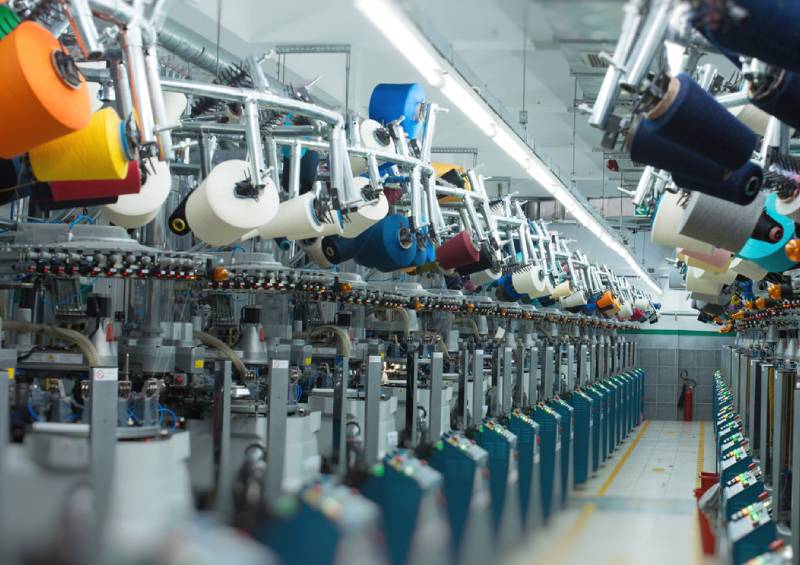
Sutlej Textiles and Industries Limited has strengthened its sustainability framework by implementing advanced Life Cycle Assessment (LCA) systems and introducing Digital Product Passports (DPPs) for select yarn and fabric categories, reinforcing its shift toward data-driven environmental
Taiwan’s Ministry of Environment is set to roll out its new circular labeling system in March, marking the first phase of a broader push to strengthen resource recycling and sustainable production. According to the Ministry of Environment, the initial phase will target four product categories, including plastics and textiles. Companies will be encouraged to adopt […]
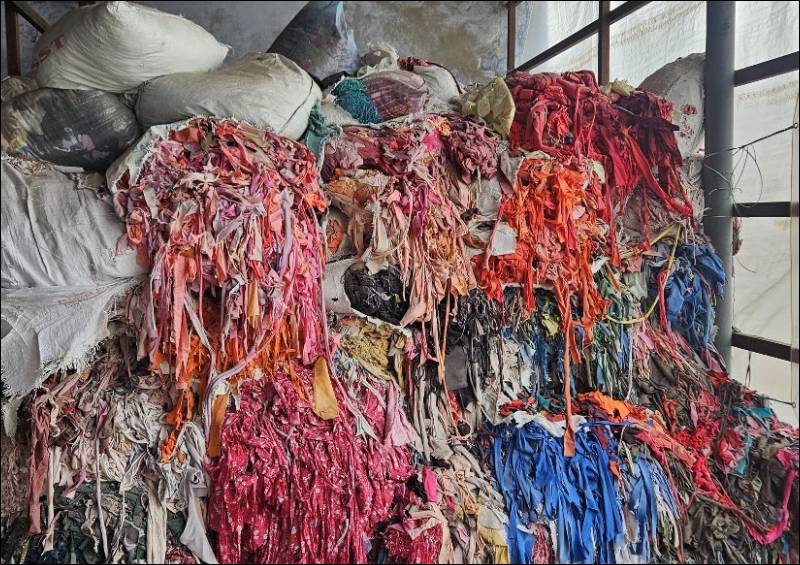
As global fashion brands accelerate their shift toward recycling and circularity, fresh attention is turning to the workers who power this transformation. In India, one of the world’s largest textile recycling hubs, millions of people sort, shred and respin discarded clothing, often under informal and challenging conditions that remain largely out of public view. Recycling
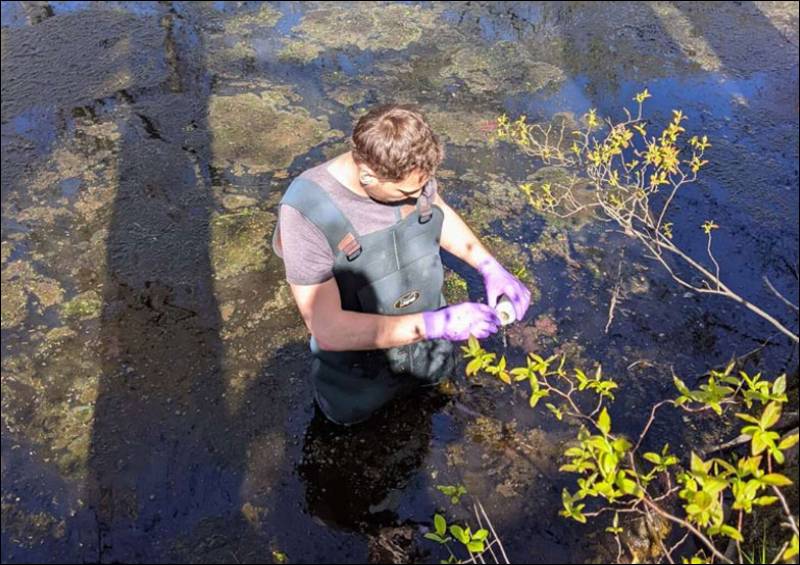
Findings support remediation planning for PFAS hotspot sites A study led by University of Rhode Island (URI) Graduate School of Oceanography alumnus Jarod Snook, Ph.D. ’25, has identified two historically contaminated textile mill waste retention ponds as a long-term source of PFAS or ‘forever chemicals,’ entering the Pawcatuck River in Rhode Island. Published in
The textile and garment industry occupies a central place in India’s economic and industrial landscape. It provides employment to millions, drives exports and supports regional development across large and small clusters. Yet alongside its economic significance, the industry is increasingly confronted by the realities of climate change and environmental sustainability.
Ghana, in partnership with the United Nations Industrial Development Organization (UNIDO), is moving ahead with plans to establish a Circular Economy Innovation and Textile Testing Centre aimed at tackling textile waste while supporting industrial development. The proposed facility forms a key component of an Italy-funded UNIDO project being implemented with Ghana’s
The UK Textiles Pact has published an industry-developed ten-point Blueprint outlining key recommendations for the design and implementation of a UK Textiles Extended Producer Responsibility (EPR) scheme, as the government prepares its forthcoming Circular Economy Growth Plan. Developed through extensive engagement across the UK textiles value chain, the Blueprint draws on
OEKO-TEX® has partnered with TextileGenesis, a Lectra company, to digitize Transaction Certificates (TCs) for organic cotton supply chains, aiming to strengthen fraud prevention and improve traceability as demand accelerates. The move comes amid a 381% year-on-year surge in OEKO-TEX® ORGANIC COTTON certifications as of December 31, 2025. Under the collaboration, OEKO-TEX®
Aditya Birla Fashion has been ranked India’s most sustainable retailer and third most sustainable retail company globally in the latest S&P Global Corporate Sustainability Assessment (CSA) 2025, securing a score of 84 and placing in the 99th percentile of the global retail industry. The CSA evaluates more than 7,000 companies worldwide on Environmental, Social and […]
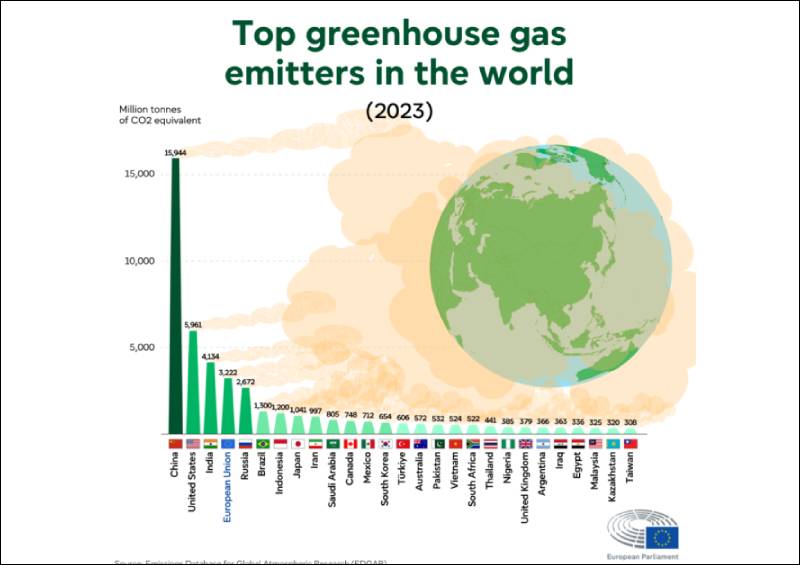
China’s textile and apparel industry sits at the very heart of the global fashion economy. From fibres to finished garments, few countries can match the scale, speed and integration of its manufacturing ecosystem. Accounting for over half of global fibre production and nearly one-third of global apparel exports, China has long been the backbone of […]