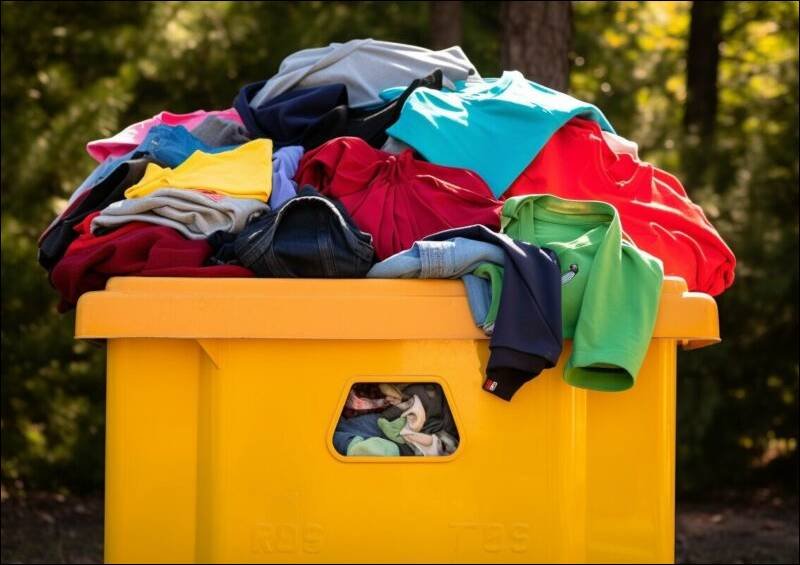
Giriraj Singh has released the Report on Mapping of Textile Waste Value Chain in India, highlighting the country’s progress and potential in strengthening a circular textile economy. The minister noted that India’s textile sector has long been recognised for its sustainability, innovation and
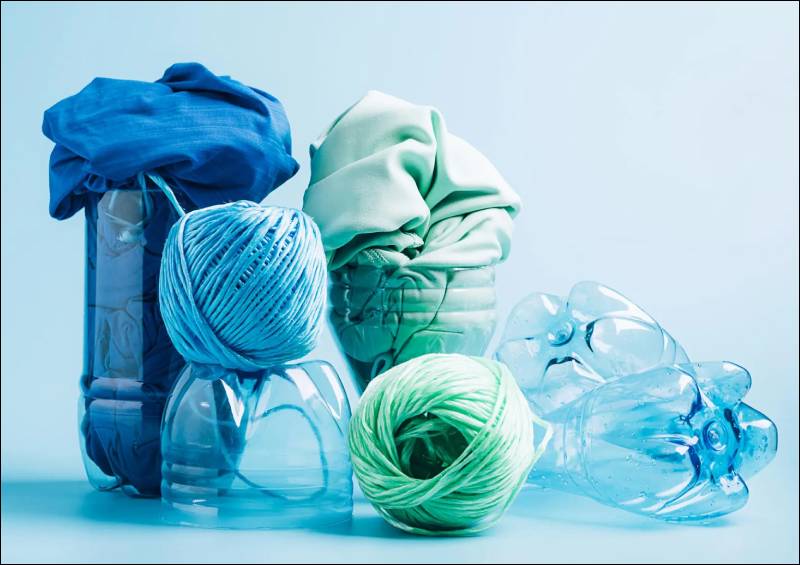
Worn Again Technologies has unveiled its textile-to-fibre accelerator plant in Winterthur, marking a key step toward commercialising its textile recycling technology and demonstrating the technical and economic viability of polycotton recycling. The facility showcases the company’s proprietary chemical recycling process designed to recover and regenerate polyester and
As sustainability regulations tighten in major markets, decarbonisation is becoming a key factor in global textile sourcing. For manufacturers, proving measurable carbon reductions now determines access to brands, finance and export markets. Ivy Decarb, a pragmatic marketplace platform, connects textile mills, machinery manufacturers, financial institutions and global
The Global Organic Textile Standard (GOTS) has announced the release of Version 8.0 of its processing standard for organic textiles, introducing enhanced requirements across environmental management, chemical controls, governance and supply chain due diligence. The updated standard strengthens provisions related to air emissions, waste management and product safety, while
Two lesser-known forever chemicals may be quietly accelerating biological aging in older Americans, according to new research published in Frontiers in Aging. The study, titled Emerging PFAS contaminants PFNA and PFSA amplify epigenetic aging: sex- and age-stratified risks in an aging population, analyzed data from 326 U.S. adults aged 50 and above and found that […]
Sutlej Textiles and Industries Limited has strengthened its sustainability framework by implementing advanced Life Cycle Assessment (LCA) systems and introducing Digital Product Passports (DPPs) for select yarn and fabric categories, reinforcing its shift toward data-driven environmental decision-making. The Mumbai-based textile major has developed Digital Product
Taiwan’s Ministry of Environment is set to roll out its new circular labeling system in March, marking the first phase of a broader push to strengthen resource recycling and sustainable production. According to the Ministry of Environment, the initial phase will target four product categories, including plastics and textiles. Companies will be encouraged to adopt […]
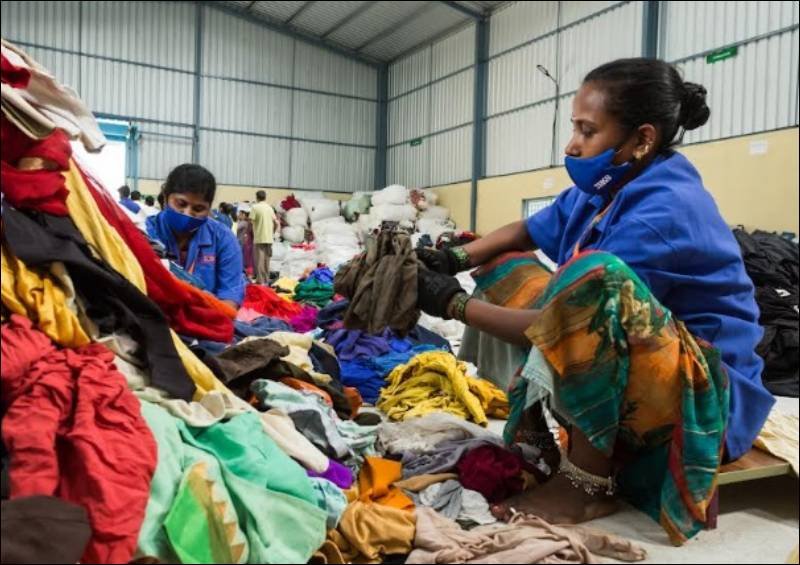
As global fashion brands accelerate their shift toward recycling and circularity, fresh attention is turning to the workers who power this transformation. In India, one of the world’s largest textile recycling hubs, millions of people sort, shred and respin discarded clothing, often under informal and challenging conditions that remain largely out of public view. Recycling
Findings support remediation planning for PFAS hotspot sites A study led by University of Rhode Island (URI) Graduate School of Oceanography alumnus Jarod Snook, Ph.D. ’25, has identified two historically contaminated textile mill waste retention ponds as a long-term source of PFAS or ‘forever chemicals,’ entering the Pawcatuck River in Rhode Island. Published in
The textile and garment industry occupies a central place in India’s economic and industrial landscape. It provides employment to millions, drives exports and supports regional development across large and small clusters. Yet alongside its economic significance, the industry is increasingly confronted by the realities of climate change and environmental sustainability.