Ireland is facing a growing textile waste crisis, with new data showing that the country’s clothing consumption is more than double the European average. The National Centre for the Circular Economy has warned that Ireland will need significant investment in textile sorting and recycling
Textile Exchange has announced the adoption of its revised Reclaimed Material Declaration Form (RMDF), a new standardized framework designed to improve transparency and traceability of textile waste across global supply chains. The updated RMDF is the result of the Tracing Textile Waste project, led by Fashion for Good and launched in August 2023, involving waste […]
Textile Renewal Alliance, a new 501(c)(3) organization formed to support producers in meeting their obligations under U.S. Extended Producer Responsibility (EPR) laws, has unveiled its brand identity and launched its official website: textilerenewalalliance.org. The launch represents a major step in the organization’s effort to become the designated Producer Responsibility
Morocco’s textile and clothing sector is undergoing a major transformation driven by automation, digitalization and sustainability, said Anass El Ansari, President of the Moroccan Association of Textile and Clothing Industries (AMITH). Speaking at the opening of the 22nd “Maroc in Mode” (MIM) exhibition, he highlighted that the industry is steadily moving upmarket and
The European VERDEinMED project has launched a new Knowledge Platform designed to accelerate the shift toward a circular textile industry. Funded by the Interreg Euro-MED Programme, the platform was developed by the Centre for Research and Technology-Hellas (CERTH) with contributions from project partners across the Mediterranean. Serving as a digital hub, the platform
Many of the impacts of pollution are invisible, making their scale difficult to measure. Yet experts warn that preventing pollution is far more cost-effective than addressing its consequences, and doing so offers benefits across health, economic growth, food security and social equality. Pollution remains the world’s largest environmental cause of disease and premature
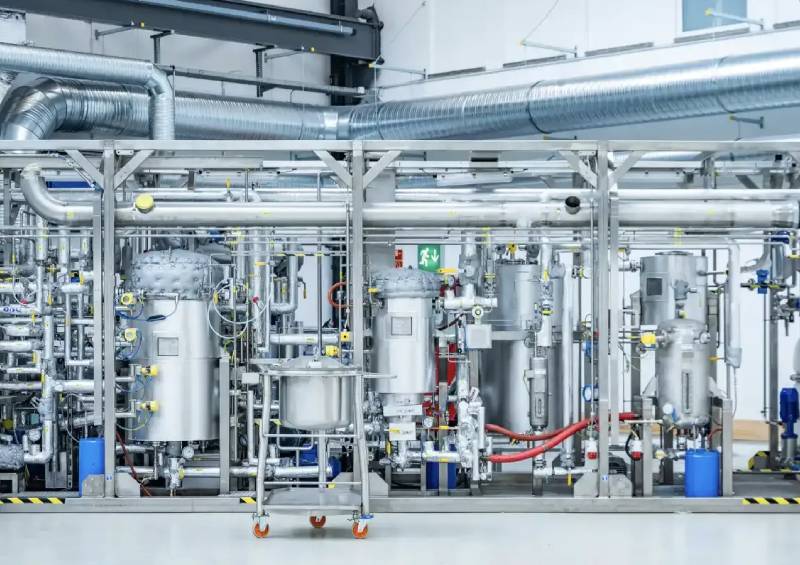
Europe is taking bold steps to slash textile waste by up to 80% and make sustainable products the new standard. Across the continent, EU-funded researchers and manufacturers are working together to turn old clothes into high-quality new products, transforming the way Europe approaches textile recycling. In Waregem, north-west Belgium, an innovative machine accessible only
A growing number of global fashion brands are taking direct action to decarbonize their supply chains by co-investing in solar power installations at textile factories. In a major shift toward cleaner production, brands are partnering with energy companies to install rooftop solar systems at small and medium-sized textile mills in key manufacturing countries such as […]
The Philippine textile industry could establish a strong foothold in the European Union (EU) market by embracing sustainability and complying with emerging environmental regulations, according to the Department of Science and Technology (DoST). “We noticed that in some countries, their textile processing uses more chemicals and is therefore harmful to the environment,”
Filatex India Ltd., Revti Business Pvt. Ltd., and Wastewear Inc., have signed a Memorandum of Understanding (MoU) to collaborate on textile waste recycling, product innovation, and global co-branding. The agreement, signed in New Delhi, outlines the companies’ shared goal of sourcing, processing, and marketing recycled polyester products to reduce textile waste and promote