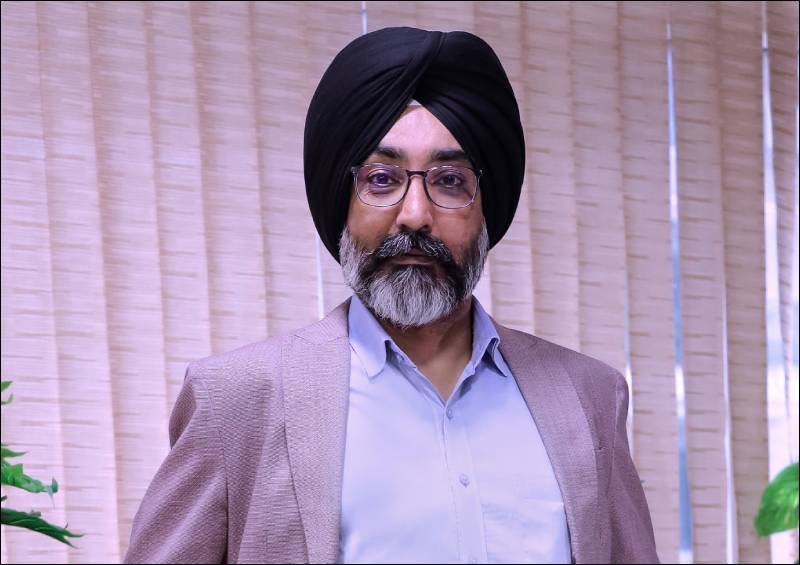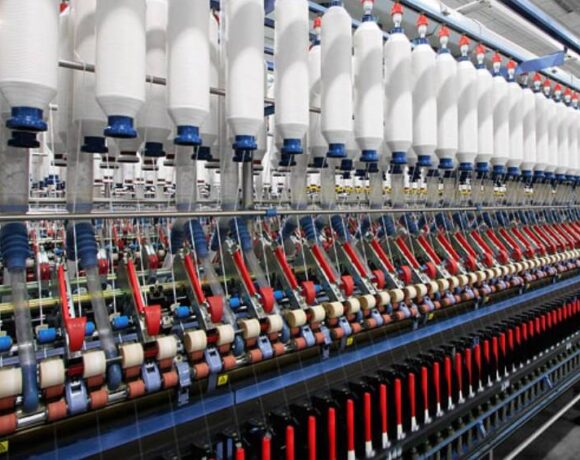
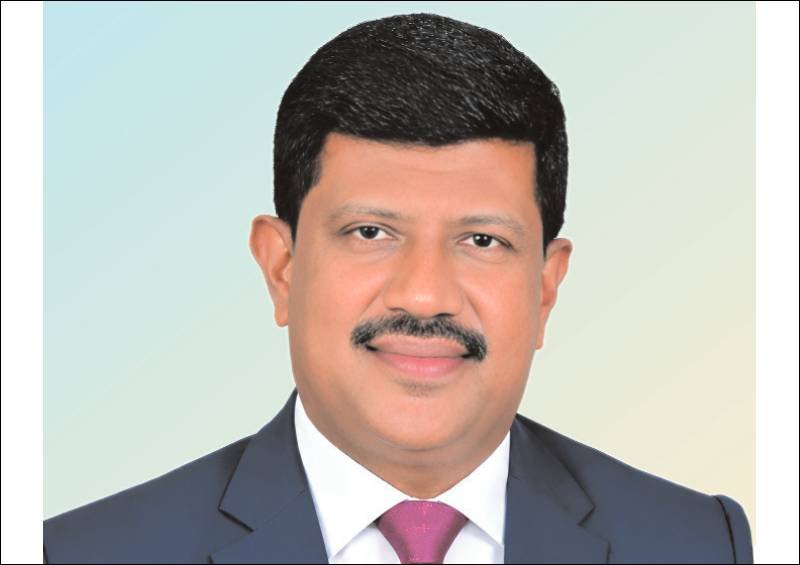
LMW’s focus is on automation, digitalisation, higher productivity, consistent yarn quality and energy efficiency, while also addressing one of the industry’s key concerns—optimising capital expenditure through smarter, more efficient and future-ready solutions, states S. Rajasekaran in
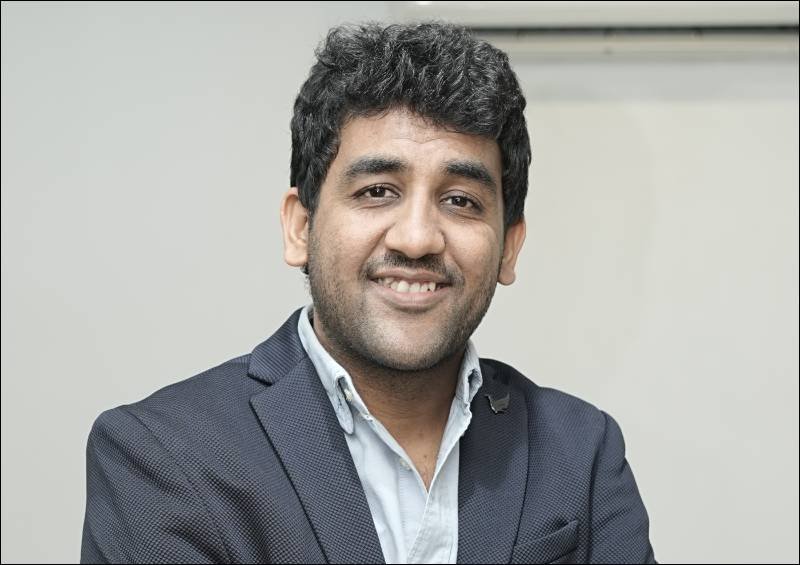
Digital textile printing is entering a new phase, one where speed is no longer the only measure of progress. Water consumption, sustainability, on-demand production, application flexibility and responsive service are increasingly influencing investment decisions. Orange O Tec is positioning itself around these changing requirements with a broader technology ecosystem
Uttar Pradesh is building its textile investment pitch around established manufacturing clusters, competitive incentives and a commitment to support businesses beyond the start of production. From Noida’s apparel hub and the Bhadohi–Mirzapur carpet belt to Kanpur’s technical textile base and the upcoming PM MITRA Park in Lucknow, the state aims to turn its existing
Indian manufacturers are rapidly transitioning from conventional, labour-intensive setups to automated, data-driven environments focused on efficient production, high-margin technical textiles, performance wear, and man-made fibres, says Navin Agrawal How do you view the current state of India’s textile industry, particularly the weaving and fabric-forming sector, in this
Knitting technology is evolving to meet manufacturers’ growing demand for productivity, flexibility and product differentiation. Advances in machine engineering, automation and digital connectivity are expanding fabric possibilities while helping manufacturers respond to changing market requirements. In this interview with Textile Insights, Neeraj Bansal, discusses the
For Pranera Textiles, a Tirupur-based processor of polyester knitted fabrics for uniforms and sportswear, machine construction, automation and operating costs were key considerations when selecting a stenter. In this interview, Sivabalan Thangavelu shares his experience with InspirOn Engineering’s Motex 15000 Uniflo stenter, highlighting its productivity, lower power
Global buyers today expect consistent quality, faster delivery, complete traceability and compliance with sustainability standards. These requirements can only be achieved through modern manufacturing technologies, says Pradip Roy How do you see the current state of India’s textile machinery market, particularly in terms of investment sentiment, technology adoption and
India’s success is our success, measured application by application and impression by impression, says Tomer Artzi What is Kornit Digital’s vision for the Indian textile market and how do you see digital textile printing evolving in India over the next few years? India is one of the fastest-growing textile markets in the world. Its textile […]
Kay Hilbert discusses how the company’s latest Jacquard double-needle bar raschel machines combine higher productivity with greater design freedom for footwear, sportswear and athleisure applications. As footwear and performance apparel manufacturers seek finer fabrics, greater functionality and shorter production runs, machinery developers face the challenge of delivering
Traceability has become a business necessity for the textile industry as brands, regulators and consumers demand greater transparency, avers Manmohan Singh in this exclusive interview with Textile Insights Livaeco Lyocell is described as a third-generation man-made cellulosic fibre. What sets it apart from viscose and modal in terms of technology and performance? Livaeco