
Motex 15000 Uniflo Stenter: High Productivity, Lower Power Consumption And Precise Fabric Control
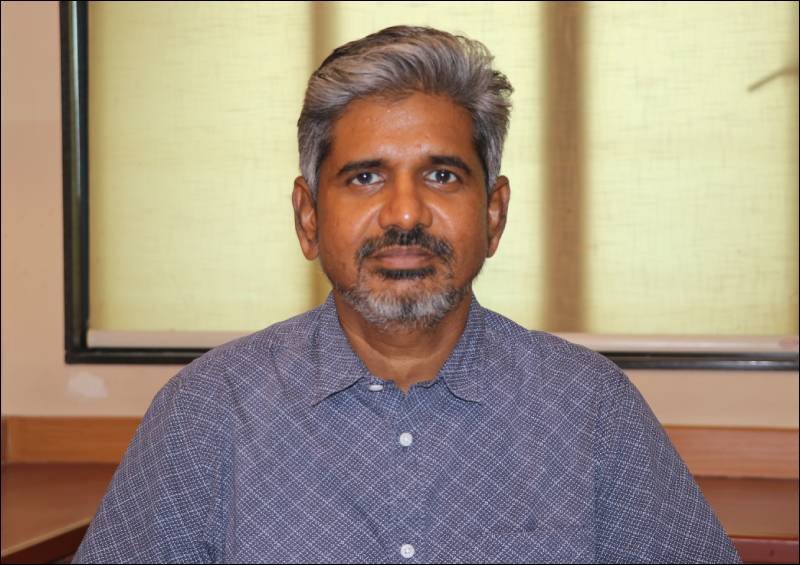
For Pranera Textiles, a Tirupur-based processor of polyester knitted fabrics for uniforms and sportswear, machine construction, automation and operating costs were key considerations when selecting a stenter. In this interview, Sivabalan Thangavelu shares his experience with InspirOn Engineering’s Motex 15000 Uniflo stenter, highlighting its productivity, lower power consumption and precise fabric quality control, along with the company’s support through installation, commissioning and production start-up.
What were the most important parameters you considered while selecting the stenter?
The foremost consideration was the workmanship and construction quality of the machine, including the quality of materials used. The second was its level of automation and technological capability. We wanted to ensure that the machine was equipped with advanced control systems.
The third key consideration was power consumption and the overall cost of ownership. Machine construction quality, automation and technology, and operating economics were therefore the three major factors that guided our selection.

How would you describe the performance of the Motex 15000 Uniflo in terms of productivity and utility consumption?
The Motex 15000 Uniflo has met our expectations and delivered considerably higher productivity compared with similar competing machines, particularly those offered by other Indian manufacturers.
In terms of utility consumption, we were pleasantly surprised by its significantly lower power consumption compared with other international brands, including European and Chinese machines. The combination of lower power consumption and high productivity offers a strong value proposition and contributes to a competitive overall cost of ownership.
What has been your experience with fabric quality parameters such as GSM, shrinkage and dimensional stability?
As a processor of polyester fabrics, GSM control is one of our key requirements. The machine is equipped with automated features, including a pick counter and pyrometers, which help us maintain GSM within a narrow range.
We have been able to keep GSM variation below 5 grams and are very satisfied with the level of control achieved. The machine also provides capabilities for controlling shrinkage and dimensional stability. These parameters have been effectively managed for our polyester fabrics. In particular, GSM variation has been significantly reduced since we began processing our fabrics on the Motex machines.
How would you describe your experience with InspirOn Engineering, from sales and technical support to delivery, erection and commissioning?
Our overall experience with InspirOn Engineering has been very positive. It took us almost eight months to finalise the machine. Throughout this period, their team remained patient and provided detailed technical explanations at every stage.
The technical sales team was particularly helpful in addressing our concerns about the machine’s design and expected fabric performance. They made every effort to clarify our doubts and provide the explanations and technical validation we required.
Delivery and commissioning were completed on schedule. Given our urgent production requirements, we requested an expedited delivery, and InspirOn Engineering accommodated our request.
The commissioning schedule was equally demanding. Despite the short deadline, the engineering and electrical teams performed exceptionally well. They were punctual, professional and well-coordinated.
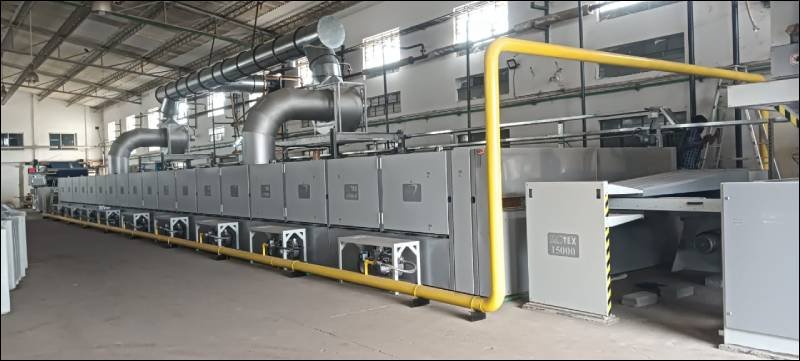
The entire installation was planned and executed very well. Installing a large nine-chamber stenter with all major accessories in approximately 40 days, without any major difficulties, was particularly impressive. The planning and execution during commissioning were exemplary.
How did the first fabric trials and production start-up progress?
The commissioning and initial trial runs went very smoothly. We faced no major difficulties during the first trials and were able to begin production at full speed within the first week of commissioning.
InspirOn’s product office representative arrived on time to train our operating team and coordinate with the production team to maximise machine utilisation. Fabric trials were conducted in his presence, and the results were verified against our quality assurance and laboratory standards.
There was virtually no extended learning or adjustment period. We were able to move into full-scale production immediately after commissioning. This demonstrated the effectiveness of the planning, installation, commissioning and fabric trial process carried out by the InspirOn Engineering team.
How would you sum up your overall experience with InspirOn Engineering?
It has been a fantastic experience working with InspirOn Engineering, from the initial request for quotation through machine selection, delivery, installation, commissioning, fabric trials and after-sales support.
The professionalism demonstrated by the team throughout the process has been commendable. Their technical support, timely execution, professional commissioning and continued after-sales service have made the overall experience highly satisfactory.
We appreciate the exemplary professionalism InspirOn Engineering has demonstrated throughout our business relationship.