
Cotton Import Duty Waiver: Relief For Textile Industry, But Detrimental For Farmers
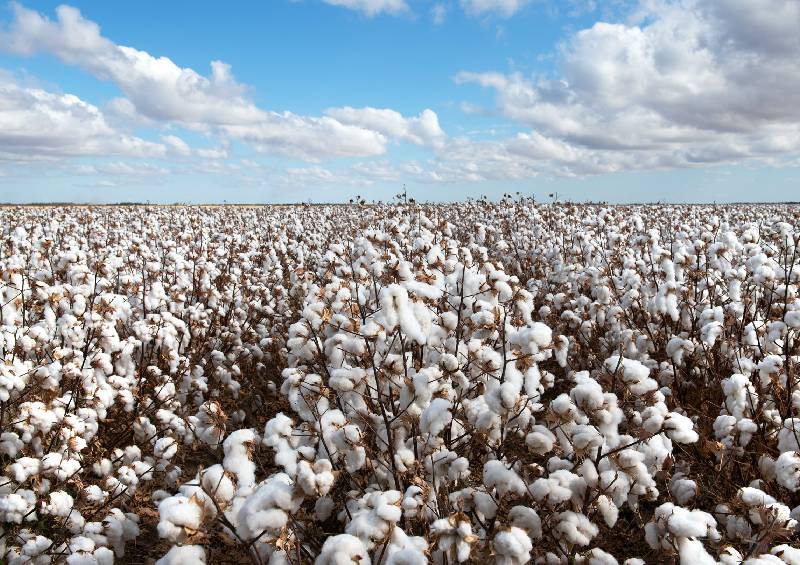
India’s Central government has extended the waiver of the 11% import duty on cotton until December 31, 2025. The measure, initially valid between August 19 and September 30, is intended to stabilize yarn prices and provide relief to exporters grappling with the fallout of steep 50% US tariffs on Indian textiles.
The decision has been welcomed by the textile and apparel industry, which contributes nearly 2% to India’s GDP and provides livelihoods to millions. Industry leaders say the waiver will help offset the sharp decline in competitiveness following US tariffs, which have impacted an estimated US$ 11 billion worth of shipments in 2024–25.
“CITI has long been requesting that the import duty on cotton be removed to help domestic cotton prices align with international prices. We, therefore, greatly welcome this measure even though the relief is only available temporarily,” said Chandrima Chatterjee, Secretary General, Confederation of Indian Textile Industry (CITI).

Rakesh Mehra, Chairman of CITI, added: “The textile and apparel sector is one of the biggest providers of jobs and livelihoods. This move will help exporters navigate immediate challenges.”
The Cotton Association of India (CAI) expects imports of 10–15 lakh bales during the exemption window, particularly from Brazil, where the harvest season has just begun. This inflow is likely to stabilize yarn prices, reduce input costs for mills, and improve India’s global competitiveness.
While exporters celebrate, cotton farmers in Maharashtra, Gujarat, and Telangana are sounding the alarm. Farmer groups argue that cheaper imports are already pushing down domestic prices, threatening the incomes of millions of growers.
The All India Kisan Sabha (AIKS) has condemned the move as “anti-farmer” and called for its withdrawal. The Samyukt Kisan Morcha (SKM) has announced a press conference to strategize nationwide protests.
Farmer leader Raju Shetti, President of Swabhimani Shetkari Sanghatana and former MP, warned that cotton prices have already fallen by Rs 1,100 per candy since the announcement. “On August 15, the Prime Minister spoke of protecting farmers’ interests, but three days later, the government issued a notification abolishing the import duty. This decision is detrimental to cotton farmers,” he said in a letter to PM Modi.
The government has defended the decision as a short-term measure to stabilize the industry during a critical trade crisis. Officials argue that ensuring the survival of the export sector is essential, especially as negotiations with the US on easing tariffs continue.
However, farmer groups point out that the timing is particularly damaging. Cotton crops sown two months ago are nearing harvesting. Farmers who invested heavily in anticipation of fair prices now face uncertainty. In regions already plagued by agrarian distress and farmer suicides, the risk of further debt and instability is real.
Farmer organizations are demanding that the government step in with minimum support price (MSP) procurement to safeguard their incomes.
By extending the duty waiver until year-end, the government has provided vital breathing space for textile exporters. Yet, the move has also deepened tensions among farmers, exposing the fragile balance between industry competitiveness and agricultural livelihoods.
As India seeks to preserve its textile export edge in global markets, policymakers face a critical test: how to support a struggling export-driven industry without eroding the economic security of millions of cotton farmers at home.