Global Cotton Market Shifts Toward Luxury And Sustainability
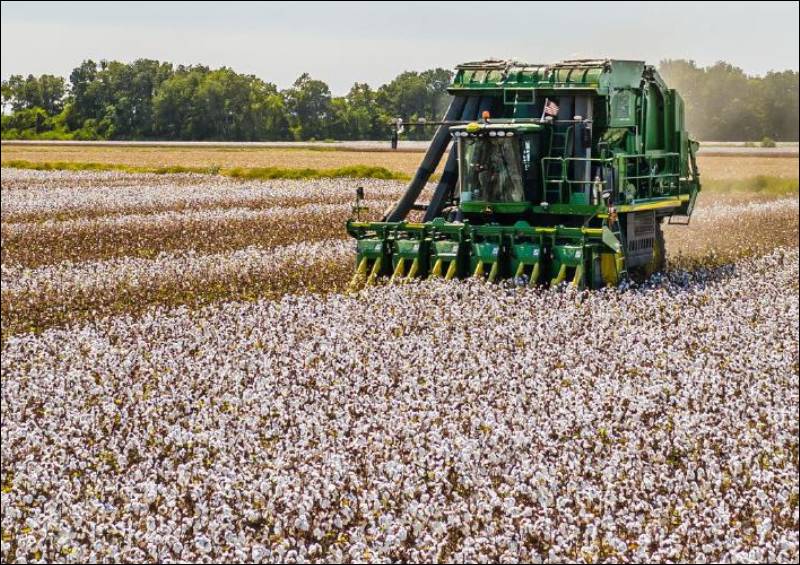
The global cotton industry is undergoing a quiet but powerful transformation. Once defined almost entirely by volume and commodity pricing, it is now being reshaped by new ideas of quality, sustainability and identity. The latest Specialty Cotton Report released by the International Cotton Advisory Committee (ICAC) paints a picture of an industry in transition, one where premium fibres and certified production systems are gaining unprecedented ground.
In the 2023/24 season, specialty cotton production surged to 8 million tonnes, the highest ever recorded and a full 9% increase over the previous year. That means nearly one in every three bales of cotton produced worldwide now comes with either a distinctive fibre profile, like long staple (LS) and extra-long staple (ELS) cotton, or a sustainability certification tied to farming practices, land stewardship and farmer livelihoods. The momentum is unmistakable, specialty cotton is no longer a niche market; it is becoming a defining pillar of global textile supply.
Much of this expansion has been driven by identity-based certification programmes, which have seen remarkable uptake as brands race to meet rising consumer expectations. The Better Cotton Initiative (BCI) and its equivalents now account for 23% of total world cotton production, supported by expanding certification networks in countries like India, Brazil, Mali and Spain.
Brazil’s Responsible Brazilian Cotton (ABR) programme stands out for its scale and efficiency, representing 12% of global cotton production on its own. Meanwhile, the U.S. Cotton Trust Protocol, which emphasizes traceability and measurable sustainability indicators, saw enrollment rise 24% in one year, even with ongoing climatic pressures in cotton-growing regions.

But alongside these certification-driven gains, another story is unfolding — the return to prominence of extra-long staple and long-staple cottons, fibres prized for their length, softness and durability. These are the cottons that underpin luxury: high-thread-count bedding, fine shirting fabrics and the smooth, lustrous materials associated with premium apparel brands. After several seasons of decline caused by low prices and unfavourable weather, ELS and LS cotton production rebounded by 19% in 2024/25, reaching about 390,000 tonnes globally.
India has emerged as the unexpected leader in this segment, producing roughly 110,000 tonnes, more than any other country. Government policy played a decisive role: targeted incentives, a renewed emphasis on high-quality fibre and the removal of import duties on cotton longer than 32 mm have spurred both domestic cultivation and mill demand. Yet India’s mills still import ELS cotton, primarily from Egypt and the U.S., to satisfy the booming demand for premium fabrics in both domestic and export markets.
Other producers are returning to strength as well. The United States, where ELS cotton is cultivated mainly in California, recorded a sharp recovery in 2024/25. Egypt, long renowned for its Giza cottons, is rebuilding production after currency volatility and export restrictions in recent years. China, meanwhile, has seen its ELS output fall to its lowest in several seasons, reflecting shifting land use, weather challenges and rising competition from blended fibres in its textile sector.
Yet, regardless of geography, one theme ties the specialty cotton landscape together: the growing value placed on identity. Whether identity is defined by fibre length, geographic origin, traceable farm practices, or sustainability commitments, it now carries weight in markets from luxury retail to mass-market fashion. Brands are no longer simply buying cotton, they are buying narratives of origin, stewardship and authenticity.
The ICAC report suggests that this is not a passing phase but a structural shift. Consumers want fibres that feel better, last longer and are produced in ways that support both the land and the people who cultivate it.