Hormuz Blockade Threat Looms Over India’s Exports
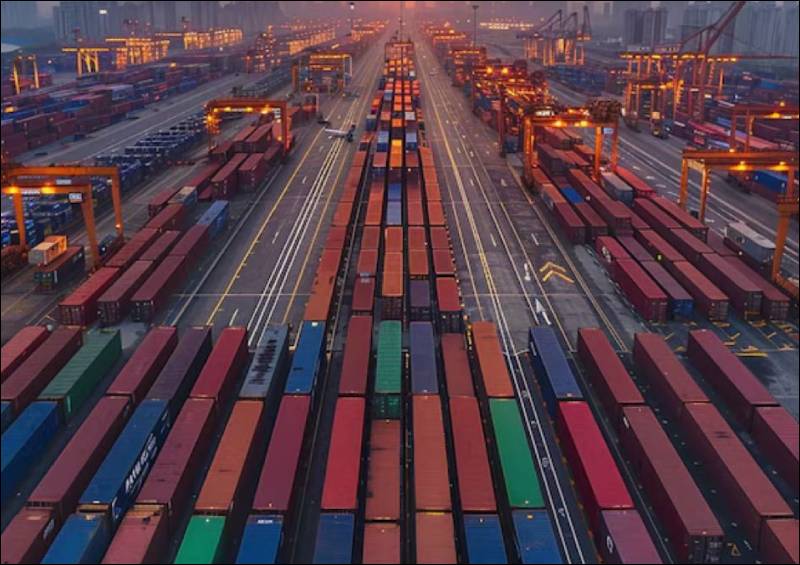
A potential US naval blockade of the Strait of Hormuz, announced by President Donald Trump after the collapse of peace negotiations with Iran, is raising serious concerns for Indian exporters already grappling with multiple global headwinds.
The move could introduce an additional layer of uncertainty for global trade, particularly for India, where exporters are facing rising raw material costs, escalating freight rates and mounting fears of an energy crunch. The lack of clarity around the scope and enforcement of the proposed blockade has further heightened industry anxiety.
Despite the immediate challenges, the Indian government remains optimistic about export growth in the coming fiscal year. Commerce Minister Piyush Goyal has indicated that India’s expanding network of free trade agreements with key partners such as the US, the European Union, the EFTA bloc and Oman is expected to provide resilience against geopolitical disruptions.

However, exporters worry that the escalation could derail earlier expectations of easing tensions in the region. The Strait of Hormuz remains a critical maritime route for India’s trade, with over US$ 60 billion worth of exports including tea, agricultural goods and engineering products passing through Gulf-linked shipping lanes each year.
Any disruption in this corridor is likely to force vessels to reroute via the Cape of Good Hope, significantly increasing transit time, freight charges and insurance costs, some estimates suggest shipping expenses could rise by as much as 400 percent.
The ripple effects are already being felt across sectors. The textiles and apparel industry is witnessing supply chain disruptions, with both input costs and material availability under pressure. Similarly, the leather and footwear segment is facing increased costs for petrochemical-based inputs, while demand risks weakening due to inflationary pressures.
Engineering goods manufacturers are also under strain, as the rising cost of oil derivatives such as furnace oil, cutting oils and rust prevention agents adds to production expenses. These inputs have already seen sharp price increases, further tightening margins.
Compounding the issue is the risk of energy shortages, which could disrupt operations across export-oriented manufacturing units nationwide.
India’s overall export performance has remained modest, with shipments growing just 1.84 percent year-on-year to US$ 402.93 billion during April–February 2025–26, while February exports recorded a slight decline.
Experts believe that the eventual impact will depend on how the US implements the blockade, particularly whether restrictions extend beyond Iranian ports to affect international shipping through the Strait. Until clearer policy direction emerges, uncertainty is likely to continue weighing on trade sentiment.