
India–NZ Trade Deal Moves Forward After Labour Support
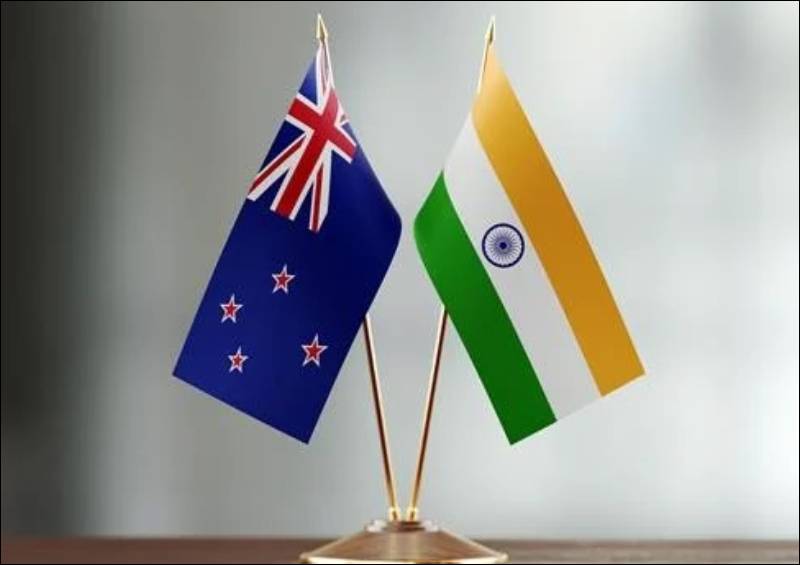
New Zealand has moved a step closer to finalising its Free Trade Agreement (FTA) with India after the Labour Party agreed to support the deal, despite raising key concerns.
Labour’s backing was crucial, as opposition from New Zealand First meant the ruling coalition required additional votes to pass the necessary legislation. With this support, the government has effectively cleared the path for the agreement to be enacted, although it still needs parliamentary approval.
The FTA is scheduled to be signed on Monday by Trade Minister Todd McClay, who is set to travel to New Delhi for the occasion.

Labour leader Chris Hipkins said the party supports the agreement’s potential to reduce tariffs and expand market access for exporters, but flagged concerns over a provision requiring the promotion of US$ 20 billion (NZ$ 33 billion) in private sector investment into India over 15 years.
He warned the target could be unrealistic, adding that failure to meet it might trigger a clawback of trade benefits. “While the government describes the target as aspirational, India has signalled it intends to enforce it,” Hipkins said, urging businesses to proceed with caution.
Despite these reservations, Hipkins confirmed Labour’s position on the FTA is now settled, following assurances from the government on several domestic safeguards. These include expanding the labour inspectorate to address migrant worker exploitation, speeding up visa processing for workers changing employers, and advancing legislation on modern slavery.
ACT leader David Seymour welcomed Labour’s support, calling it a move that puts New Zealand first. He argued that concerns over immigration linked to the deal are overstated and emphasised the broader economic benefits, including improved access to India’s fast-growing market.
In contrast, New Zealand First leader Winston Peters strongly criticised the agreement, describing it as a high-risk and disgraceful sellout. He objected to the investment commitment and raised concerns about immigration provisions, including student inflows and work rights, warning of potential impacts on local jobs.
The FTA once ratified, is expected to deepen trade ties between the two countries, though political divisions highlight ongoing debate over its long-term implications.