India, UK Step Up Engagement Ahead Of Trade Pact Rollout
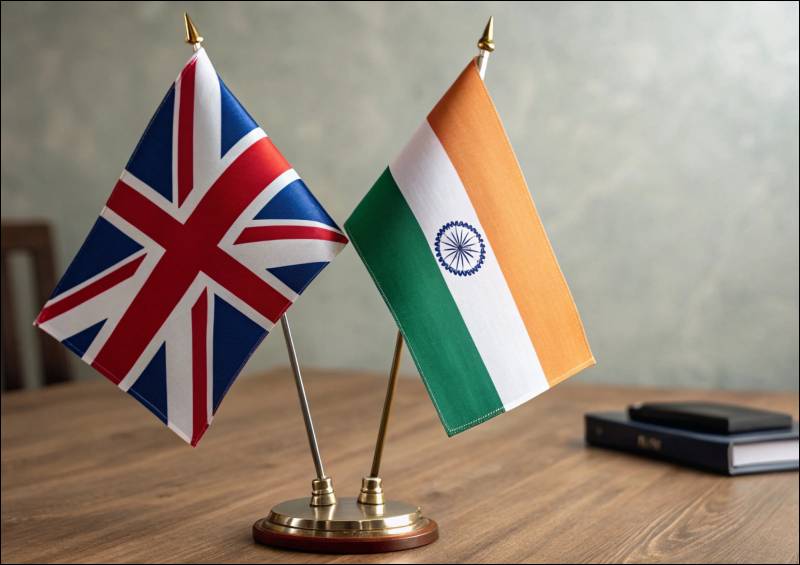
Piyush Goyal and Peter Kyle held a virtual meeting to accelerate trade and investment cooperation as both countries move toward implementing the India-UK Comprehensive Economic and Trade Agreement.
Signed in July 2025, the agreement is expected to come into force once both sides complete their domestic ratification processes. The pact is set to significantly expand bilateral trade by reducing tariff barriers and improving market access across goods and services.
Under the agreement, the UK will eliminate tariffs on nearly 99% of Indian exports, opening major opportunities for sectors such as textiles, engineering goods, electronics, footwear, seafood and gems and jewellery. India, in turn, will provide phased tariff reductions on 85% of UK tariff lines over a ten-year period, benefiting industries including automobiles, advanced manufacturing, agri-food products and alcoholic beverages.

Beyond goods, the agreement places strong emphasis on services, offering enhanced access for Indian firms in IT, financial services, education and healthcare. It also introduces clearer frameworks for the temporary movement of professionals, enabling categories such as business visitors, contractual service providers and independent professionals to operate in the UK with greater ease.
A notable provision allows up to 1,800 Indian professionals including chefs, yoga instructors and classical musicians, to work in the UK annually under defined entry conditions.
Additionally, the Double Contribution Convention (DCC) is expected to deliver significant cost savings by exempting Indian professionals and their employers from UK social security contributions for up to three years during temporary assignments. Government estimates suggest the provision could benefit around 75,000 workers and over 900 companies, generating savings exceeding Rs 4,000 crore.
As both countries prepare for implementation, the agreement is poised to deepen economic ties, enhance trade flows and create new opportunities across multiple sectors.