
India, UK Work To Finalise FTA Rollout As Trade Talks Advance
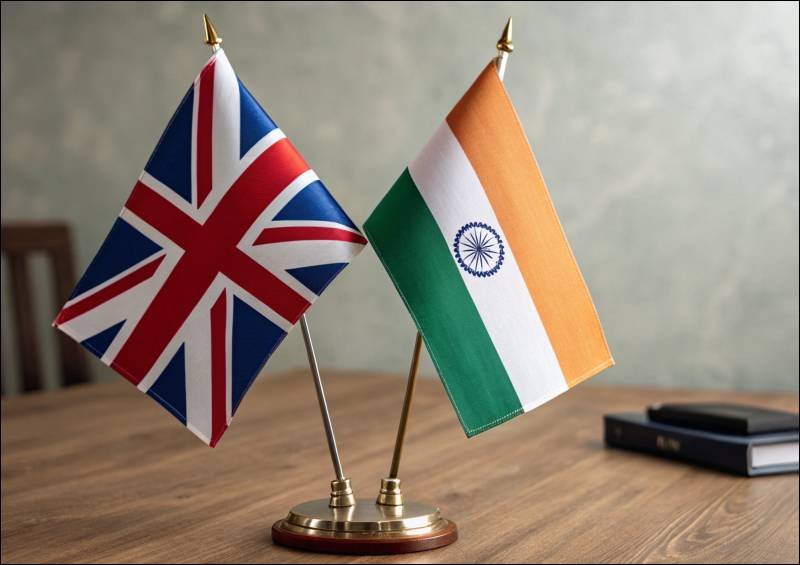
India and the United Kingdom are working to resolve a few outstanding issues that have delayed the implementation of their landmark Free Trade Agreement (FTA), with officials from both countries engaged in discussions to operationalise the pact signed last year.
Commerce Secretary Rajesh Agrawal said an Indian delegation is currently in London to address pending matters and expedite the agreement’s rollout. He noted that both sides are close to finding solutions, following recent discussions between Commerce and Industry Minister Piyush Goyal and UK Secretary of State for Business and Trade Peter Kyle.
The progress is being closely watched by Indian exporters, including the textile and apparel industry, which expects the FTA to improve market access and enhance competitiveness in one of India’s key export destinations.

However, alongside the FTA discussions, British trade policy developments are creating fresh concerns for exporters. Beginning July 1, 2026, the UK will significantly tighten its steel safeguard regime by reducing tariff-free import quotas by 60 percent. Imports exceeding the revised quotas will face a 50 percent tariff, affecting products that can be manufactured domestically in the UK.
Another area of concern is the UK’s planned Carbon Border Adjustment Mechanism (CBAM), scheduled to come into force in 2027. The mechanism will impose a carbon-based levy on imports from carbon-intensive sectors such as iron and steel, aluminium, cement, fertilisers, hydrogen, ceramics and glass.
According to industry estimates, Indian exports worth approximately US$ 775 million could be impacted by the UK’s carbon pricing framework. The levy could range between 14 percent and 24 percent of the import value once the UK’s Emission Trading System (ETS) free allowances are phased out.
While textiles are not part of the initial CBAM coverage, the move signals a broader shift towards sustainability-linked trade regulations. Industry experts believe similar environmental compliance measures could eventually extend to additional sectors, making sustainability an increasingly important factor for Indian exporters.
Separately, India is also engaging with the European Union regarding its proposed 21st sanctions package against Russia, which may include restrictions on certain Indian companies. Agrawal said discussions are underway with EU authorities, reiterating India’s long-standing position of recognising sanctions mandated by the United Nations.
For India’s export-oriented sectors, including textiles and apparel, the successful implementation of the India-UK FTA remains a key priority. The agreement is expected to create new opportunities for market expansion, strengthen bilateral trade and support India’s broader goal of accelerating export growth in the coming years.