India’s Growth Momentum Shows Early Signs Of Moderation Amid West Asia Shock
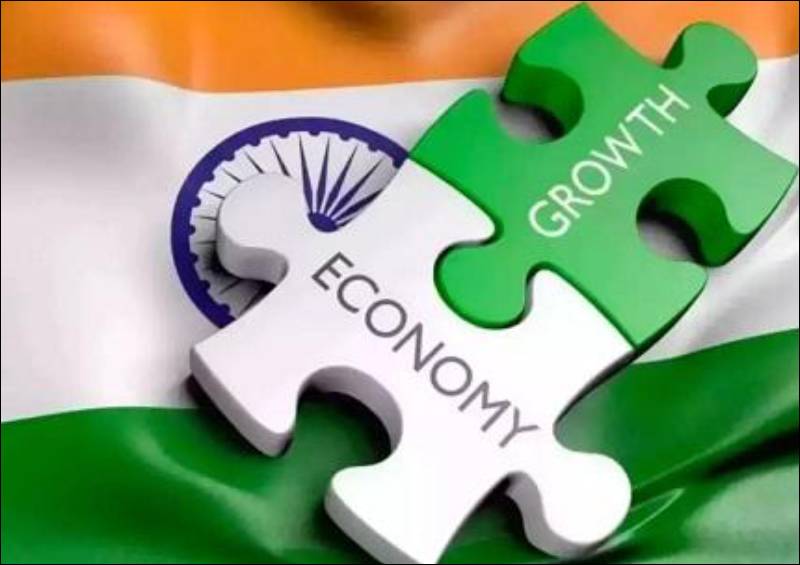
India’s economic trajectory, which remained firmly resilient through early 2026, is now showing initial signs of moderation as external pressures begin to filter into the domestic landscape, according to the latest Monthly Economic Review released by the Ministry of Finance.
The report highlights that escalating geopolitical tensions in West Asia, combined with a sharp uptick in crude oil prices, have started impacting the economy through rising input costs, supply disruptions and logistical constraints. These developments mark the first sequential slowdown following a robust start to the year.
Up until February 2026, India’s economic activity remained strong, supported by healthy domestic demand, continued infrastructure expansion and sustained policy backing. High-frequency indicators reflected this resilience, with manufacturing and services sectors maintaining expansionary trends, while consumption indicators such as vehicle sales and digital transactions recorded steady growth.
Industrial output further reinforced this momentum, with strong production levels in steel and cement signaling ongoing traction in infrastructure and construction, largely driven by government-led capital expenditure.
However, March data indicates a shift in momentum. Early indicators suggest a moderation in activity, with a decline in e-way bill generation and softer output trends in flash PMI estimates on a month-on-month basis. While year-on-year growth remains positive, the sequential dip points to emerging adjustments in both supply and demand dynamics, primarily driven by external shocks disrupting energy markets and global supply chains.
A key concern flagged in the report is the rise in input costs particularly energy and logistics, which is beginning to strain production economics. Increased freight and insurance costs, along with supply chain disruptions, are feeding into domestic manufacturing and industrial operations. Sectors reliant on imported inputs are especially vulnerable, with mounting risks to growth as cost pressures intensify.
Despite these supply-side challenges, domestic demand has remained relatively stable. Continued growth in vehicle registrations and digital payments underscores underlying consumption strength, although early signs of softening in rural sentiment have been observed. This divergence suggests that the current moderation is being driven more by cost and supply constraints than by a decline in consumption.
Retail inflation has begun to edge upward, largely driven by food prices, while the full impact of rising crude oil prices has yet to be reflected in domestic inflation. The ministry has warned of potential upside risks to inflation if global energy prices remain elevated.
India enters this phase from a position of relative strength, backed by sustained recovery, strong domestic demand, and infrastructure-led growth. However, the evolving global environment is beginning to test this resilience. Summarising the outlook, the Finance Ministry noted that while the economy remains fundamentally robust, the balance of risks is tilted to the downside, calling for close monitoring of both global developments and domestic conditions.