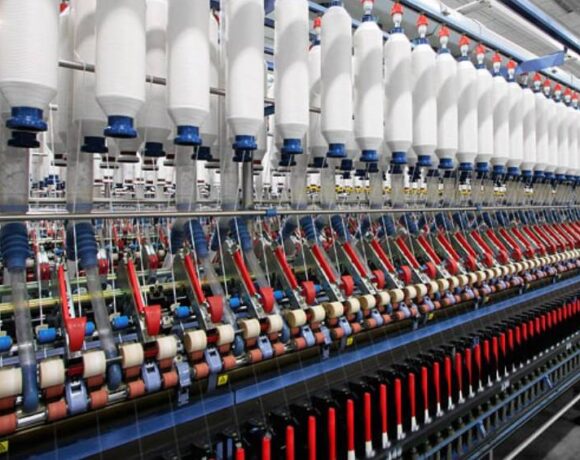

Nigeria Sets Ambitious Plans to Revive Its Textile Industry

The Nigerian government is ramping up efforts to revive its once-thriving textile industry, recognizing its potential to drive economic growth, create jobs, and preserve the nation’s cultural heritage. Once a leading sector in Africa, Nigeria’s textile industry employed millions and significantly contributed to the country’s GDP. However, years of policy inconsistencies, infrastructure deficits, and competition from low-cost imports have led to its decline, leaving factories abandoned and workers unemployed.
President Bola Tinubu has reiterated his administration’s commitment to restoring the textile industry, citing job creation as a primary objective. At its peak, the sector provided employment to nearly 500,000 Nigerians, but that number has dwindled drastically. With youth unemployment on the rise, reviving textile production could provide new opportunities, particularly in rural areas where cotton farming and processing play a crucial role in the local economy.
The decline of the textile industry has had a cascading effect on Nigeria’s agricultural sector, particularly cotton farming, once a major cash crop. The reduced demand for locally grown cotton led to vast areas of uncultivated land and financial struggles for farmers. A revitalized textile industry would stimulate demand for homegrown cotton, ensuring a stable market for farmers while enhancing agricultural productivity and rural income.
Nigeria’s reliance on imported textiles has worsened the trade deficit, with cheap fabrics from Asia flooding local markets and outpricing domestic manufacturers. This has weakened local artisans and textile businesses. A robust revival plan includes investment in domestic production, stricter import regulations, and incentives for local manufacturers. Strengthening the sector would help Nigeria retain wealth within its economy, reduce foreign exchange outflows, and create a competitive textile market.
Beyond economic benefits, the revival of the textile industry is crucial for Nigeria’s cultural preservation. Indigenous textiles such as Aso Oke, Adire, and Ankara are deeply woven into the nation’s identity. However, the industry’s collapse has marginalized these traditional crafts. A resurgence in local production would promote these heritage fabrics, support artisans, and position Nigeria as a global hub for authentic African textiles. Additionally, increased international demand for ethically sourced and culturally significant textiles could boost tourism and exports.
To ensure long-term sustainability, the Nigerian government is prioritizing consistent and supportive policies for the textile sector. Past revival efforts were hindered by fluctuating regulations and lack of commitment. Proposed measures include tax incentives for textile manufacturers, subsidies for raw material sourcing, and import restrictions on low-cost foreign textiles.
Infrastructure improvements, particularly in energy supply, are also critical to making the industry competitive. Textile production requires stable electricity, but Nigeria’s inconsistent power grid forces businesses to rely on expensive alternatives. Investment in renewable energy and grid reliability is expected to lower production costs and improve efficiency.
Nigeria’s textile revival efforts are gaining international attention, with opportunities emerging for collaborations with African nations and global brands seeking sustainable and ethical textile sources. Such partnerships could open new markets for Nigerian textiles and strengthen the industry’s global competitiveness.
With renewed focus and strategic investments, Nigeria’s textile industry is on track for a resurgence, offering economic, cultural, and social benefits while positioning the country as a key player in the global textile market.